Drainage in Lancaster, PA
Dry yards and basements, fixed at the source
Lancaster French Drain finds out where your water comes from before we dig. Then we install French drains, sump pumps, downspout lines and regrading in Lancaster and nearby towns, and put your lawn back when we finish.
- We Find the Source Before We Dig
- Pipe, Gravel and Fabric Done Right
- Lawn Restored When We Leave
Our Services
Drainage work for wet yards and wet basements
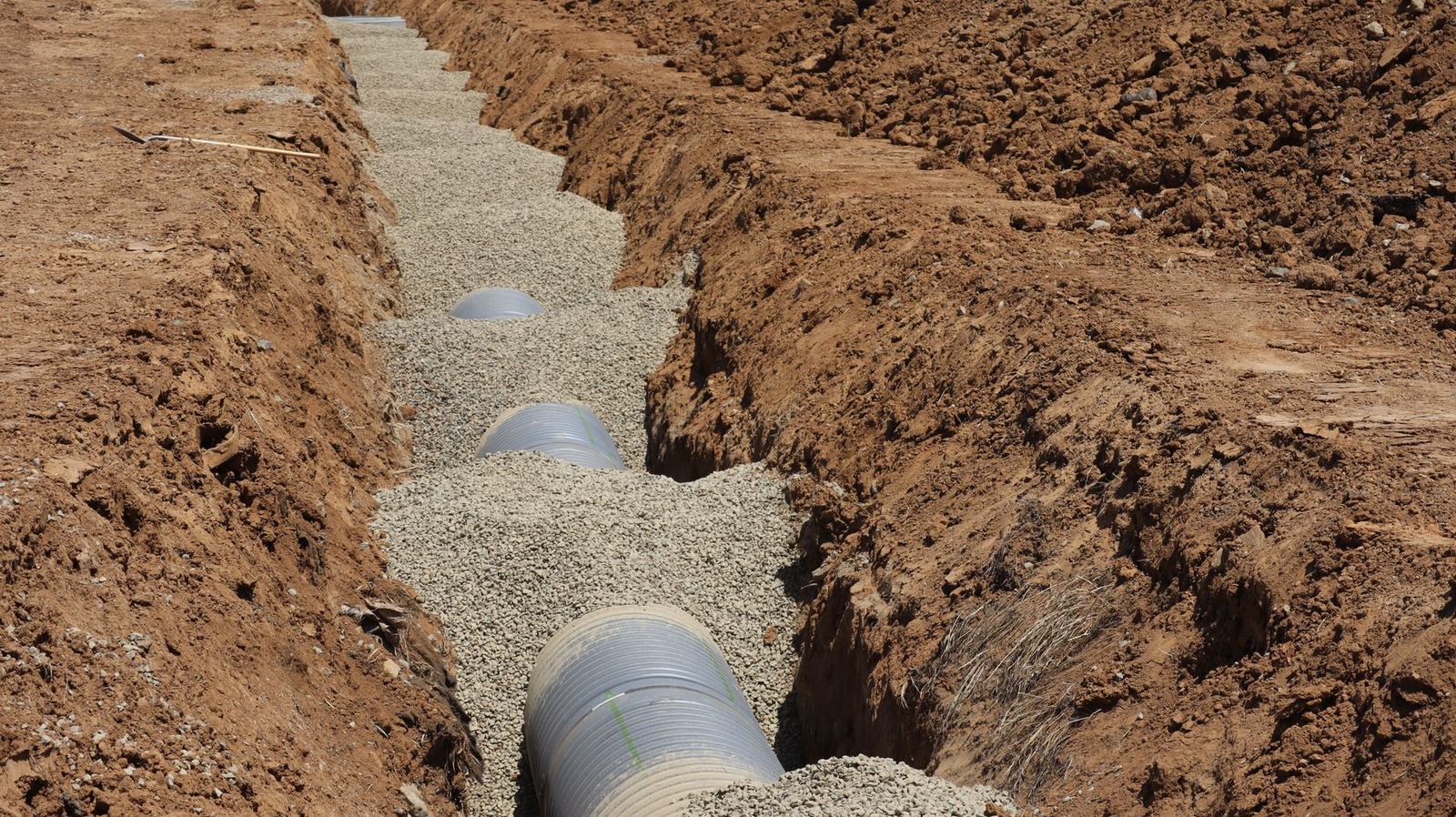
French Drain Installation
Perforated pipe in a gravel trench, wrapped in fabric, graded to carry groundwater away from the house.
Learn more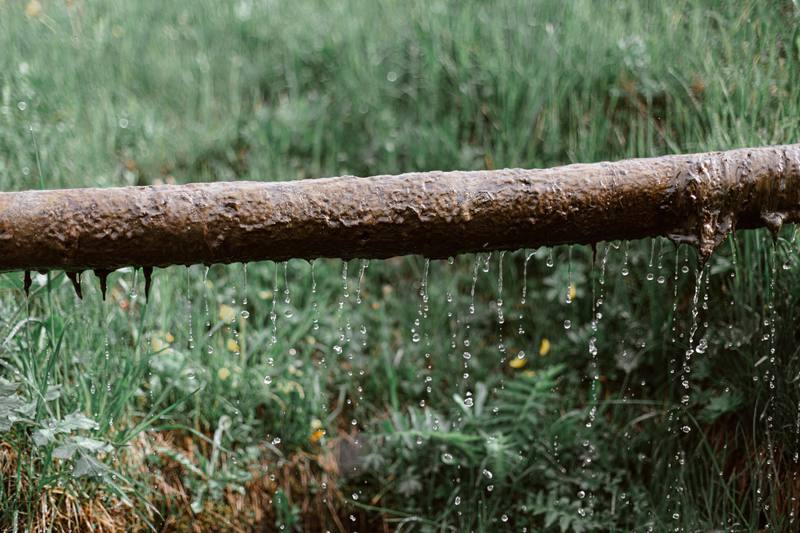
Yard Drainage
Standing water in lawns and beds solved with catch basins, surface drains and regrading.
Learn more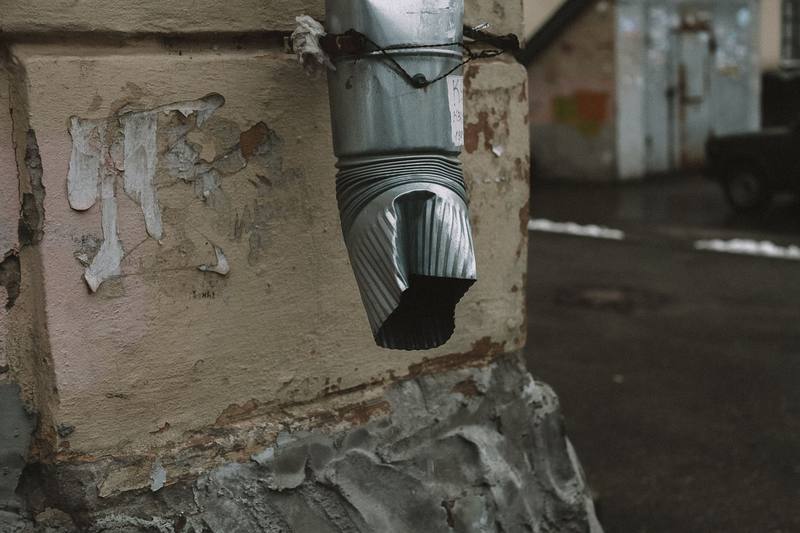
Drainage Repair
Clogged, crushed or silted drains located, flushed, repaired or replaced.
Learn more
Basement Waterproofing
We find out where water is getting into your basement, then fix it with the smallest job that will actually work.
Learn more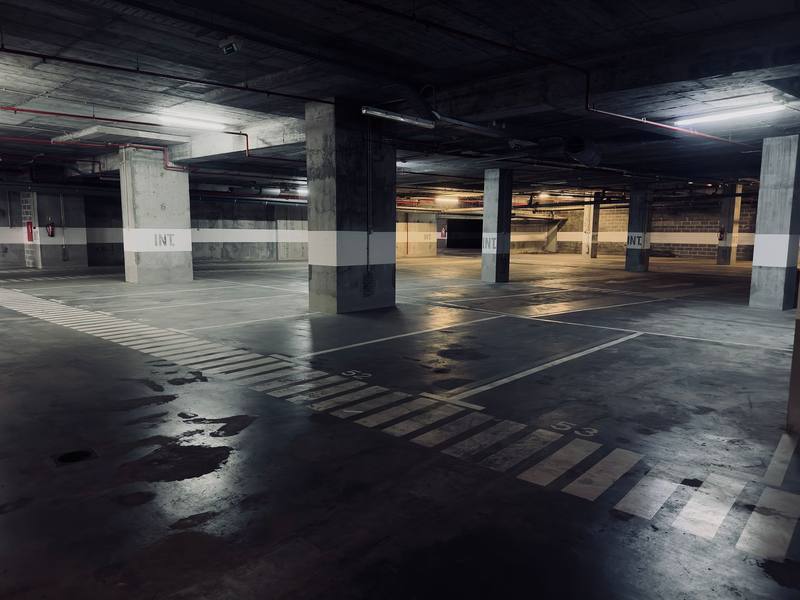
Wet Basement Repair
We find out how water is getting into your basement and fix the cause, not just the stain on the wall.
Learn more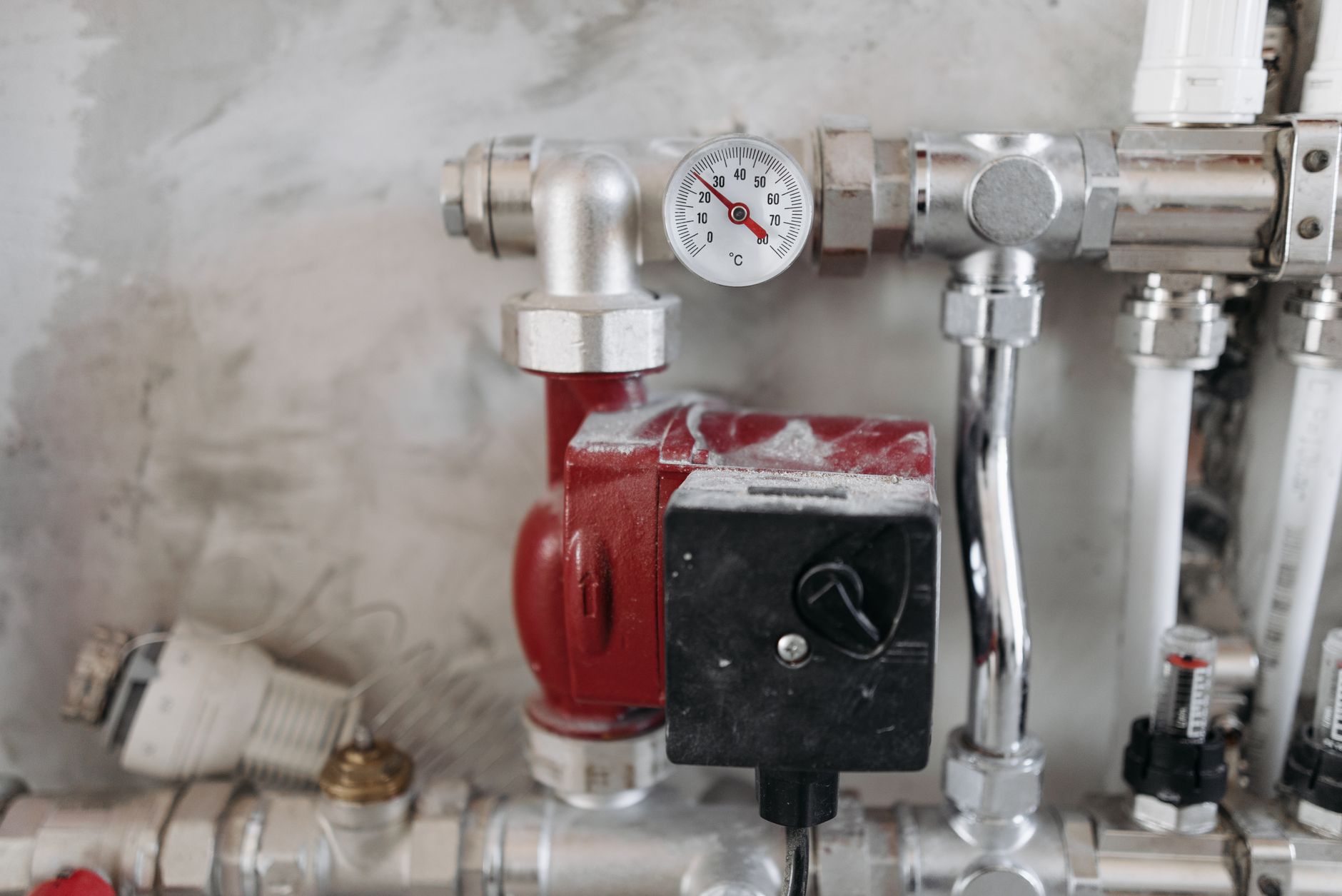
Sump Pump Installation
Pits, pumps and discharge lines for basements and crawl spaces that take on water.
Learn more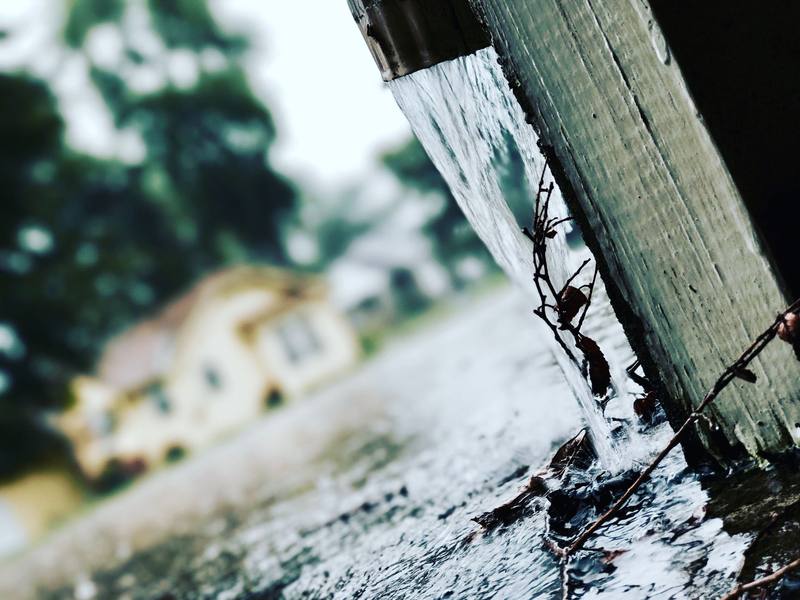
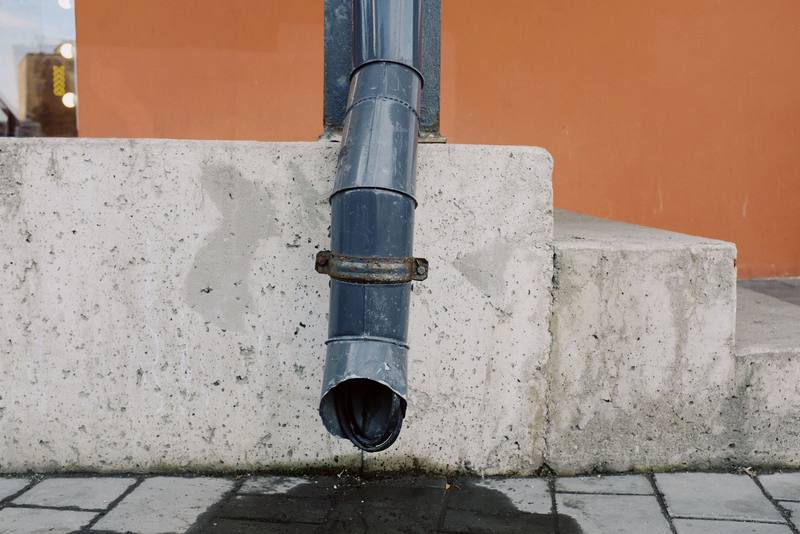
Downspout Drainage
Downspouts piped underground to daylight or a dry well so roof water stops pooling at the foundation.
Learn more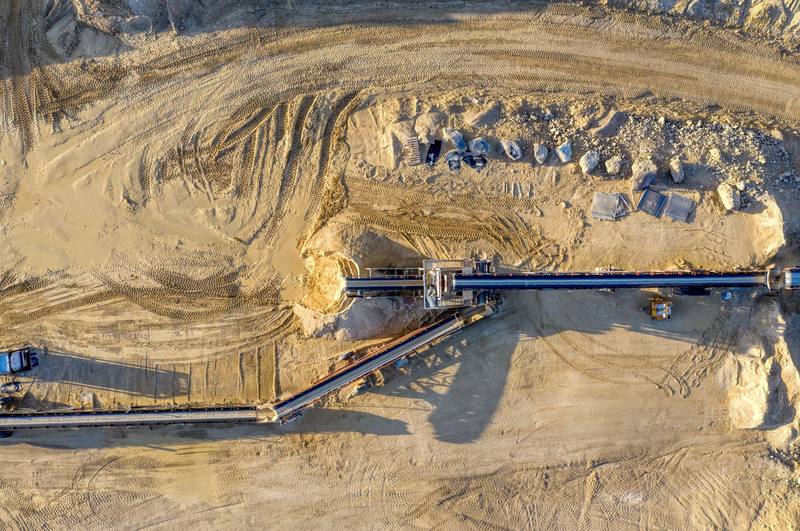
Grading and Regrading
Soil reshaped so water runs away from the house and off the lawn instead of sitting.
Learn more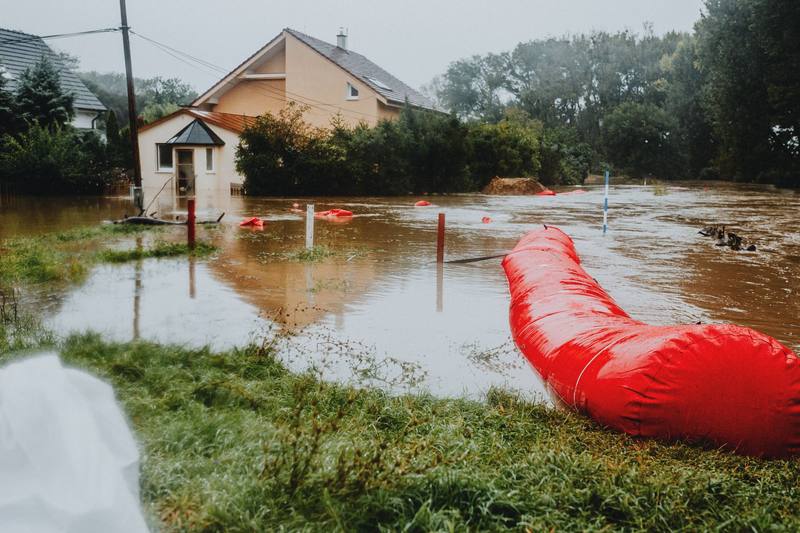
Emergency Flooded Basement Drainage
We pump out standing water, find out how it got in, and fix what let it in.
Learn more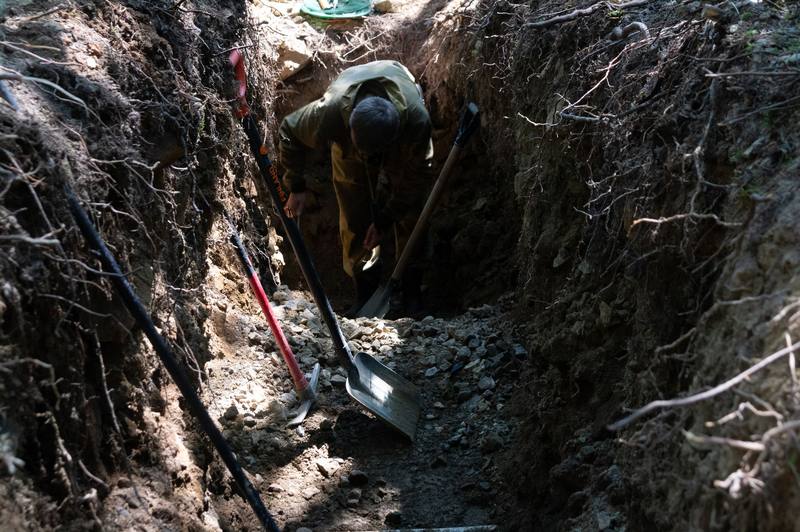
About Us
Drainage work that starts with where the water goes
Lancaster French Drain works on homes in Lancaster and the towns around it. Most of our jobs start with a soggy lawn, a damp basement wall or a sump pump that never stops running.
We look before we propose anything. Roof water, groundwater and a neighbor's runoff all need different fixes, and the cheapest fix that works is usually the right one.
- We find the source first. Roof water, groundwater and runoff from higher ground need different fixes. We work out which one you have before we suggest any work.
- We build drains that keep working. Steady slope, washed stone, filter fabric and cleanouts, so the line does not silt up after a couple of seasons.
- We put the yard back. Trenches backfilled and compacted, sod or seed replaced, and the outlet agreed with you before we start.
What to Expect
How a drainage job goes
Every job follows the same three steps, so you know what is happening and why.
Site visit
We look at the grade, the gutters, the soil and where water collects. If we can, we come after a rain, because that is when it is easiest to see.
Plan and locate
You get a drawn route and an agreed outlet for the water. Utilities are marked before any digging starts.
Install and restore
We dig the trench and lay pipe, stone and fabric to the plan. Then we test the system with water and repair the lawn.

Service Areas
Serving Lancaster and nearby towns
We work in Lancaster, Lititz, Manheim, Ephrata, Elizabethtown, Mount Joy, Millersville, Columbia and Willow Street. If you are close by and do not see your town, call and ask.
FAQ
Common questions about drainage work
Often, if the water comes from saturated soil beside the foundation. If roof water is pooling at the wall, downspout drainage or regrading costs less and works better. We check which one you have before we recommend anything.
It goes to daylight on a slope, to a dry well, or to a storm drain where that is allowed. We choose the outlet with you before we dig, and we make sure it does not send water onto a neighbor's property.
A drain built with washed stone, filter fabric and a steady slope can work for decades. Drains that fail early were usually laid flat, wrapped badly or built without fabric, so they filled with silt.
Most residential yard drains do not need one. Connecting to a public storm system usually does, and some municipalities have rules about where discharge water can go. We check what applies to your property before work starts.
The trenches are narrow. We backfill and compact them, then replace the sod or seed. Within a few weeks the line is hard to spot.
Yes, unless the ground is frozen hard. Wet months are actually a good time to see where water collects, so a winter or early spring visit is often useful even if the digging waits.
It can mean a lot of groundwater is coming in, water is running back from the discharge line, or the float switch is sticking. We check the pit, the check valve and where the discharge ends before we say whether you need a new pump or a drainage fix outside.
French Drain Installation in Lancaster
A French drain is a sloped trench lined with filter fabric and filled with washed stone around a perforated pipe. It collects groundwater and carries it away from where it gathers. On Lancaster properties it is most often needed along the uphill side of a house, across the back of a lot that catches runoff from higher ground, and beside driveways that stay soft after rain.
You probably need one if water sits in the same low spot for a day or more after a storm, if the soil next to the foundation stays wet after the rest of the yard has dried, or if one basement wall is damp along the bottom. A lot of ground in this part of the county is heavy clay, which holds water instead of letting it soak away.
On a visit we walk the yard, find where the water starts and where it can safely go, and draw a route. Utilities are marked through Pennsylvania One Call before any trench is opened.
Yard Drainage in Lancaster
Yard drainage covers the smaller fixes that keep a lawn from turning into a pond. That can mean surface inlets in low spots, short runs of solid pipe to a better outlet, shallow swales shaped into the lawn, or a dry well where there is no place for the water to daylight. Many lots in Lancaster and the surrounding boroughs were graded decades ago and have settled since, so water that used to run off now stays put.
Watch for moss or bare patches in one area, ruts from the mower, mosquitoes around standing water, or a patio or walk that has started to tip. A heavy rain shows the pattern best, so it helps to look during or right after one. Then we explain the simplest fix that will work and what it involves.
Basement Waterproofing in Lancaster
Basement waterproofing means keeping groundwater out of the basement, or dealing with it once it reaches the wall. On the inside, that can be a perimeter drain under the edge of the floor that leads to a sump. On the outside, it can mean digging down to the footing, sealing the wall with a membrane and laying a footing drain. Many older Lancaster homes have stone or block foundations, and those walls let moisture through at the mortar joints in a way poured concrete does not.
Signs include a white chalky crust on the wall, a water line on stored boxes, paint peeling near the floor, or a musty smell that returns every spring. Before we recommend waterproofing, we check the gutters and the grade. Roof water pooling at the wall is a common cause, and it costs far less to fix.
Wet Basement Repair in Lancaster
Wet basement repair is for a basement that is already taking on water: a crack that seeps, a gap around a pipe through the wall, a floor joint that weeps in storms, or a window well that fills up. We find where the water gets in, often using photos you took during the last rain. Then we fix that spot and whatever is sending water to it.
Summer thunderstorms and the thaw after a snowy winter are when most Lancaster homeowners first notice a problem. If water is coming in now, call during our hours. We will tell you what to do until we get there, like clearing a floor drain or moving things off the floor.
Sump Pump Installation in Lancaster
A sump pump sits in a pit at the lowest point of the basement and pumps collected water out of the house. A good installation has a sealed lid and a check valve so water does not flow back into the pit. The discharge line should end well away from the foundation. If it ends at the base of the wall, the water just soaks back in.
You may need a new pump if the old one runs constantly, switches on and off quickly, hums without moving water, or lets the pit overflow in heavy rain. We size the pump to the amount of water coming in, check where the discharge goes, and explain options like a battery backup if your street tends to lose power in storms.
Downspout Drainage in Lancaster
Downspout drainage carries roof water underground in solid pipe to a pop-up emitter, a dry well, or daylight on a slope. A roof can send a lot of water to one corner of the house in a single storm. When the downspout ends at the foundation, that water goes straight to the basement wall.
If you see mud splashed on the siding, mulch washed out under a downspout, or damp in the basement at the same corner, this is often the cheapest fix of all. We test the lines with a hose, make sure they slope downhill the whole way, and check that the outlet does not send water onto a neighbor's yard.
Grading and Regrading in Lancaster
Grading is the shape of the ground around your house. For the first several feet, the soil should slope away from the foundation so rain runs away from the wall. The fill around a house settles over the years, and flower beds, patios and extra topsoil can slowly tip the slope back toward it.
We check the slope with a level, add and compact fill where it is low, reshape swales and reseed. Regrading often comes before any drain, and on plenty of Lancaster homes it solves the problem by itself. The soil has to be dry enough to compact, so late spring through fall is the usual time to do it.

Get Started
Tell us where the water is collecting
Call (717) 010-0007 or send a request. Tell us what you are seeing and when it happens, and we will set up a time to look.