Drainage in Mount Joy, PA
French drains, sump pumps, grading and basement water repair for homes in and around Mount Joy.
We fix drainage problems in Mount Joy homes, from soggy yards to wet basements. Most of the water we see here starts outside the house, and the fix often starts there too. We look at the whole property before we recommend anything.
Mount Joy homes and the water around them
Mount Joy has a mix of housing, and that mix shapes the drainage work. Along Main Street and the older blocks near the center of the borough, many houses are brick or stone. They were built long before footing drains and sump pits were common. Their basements often have stone or block walls, low ceilings and a floor that was poured later, if it was poured at all. Toward the edges of town, newer subdivisions have poured foundations, sump pits and graded lots. That grading was set when the house was built, though, and the soil has often settled since.
The ground matters too. Much of Lancaster County has clay-heavy soil over limestone. Clay holds water and drains slowly, so after a long rain the soil around a foundation can stay wet for days. Little Chiques Creek and the low ground along it collect runoff from nearby fields and streets. Winters bring freeze and thaw cycles that heave soil and open small gaps at the base of walls. Summer storms can drop a lot of rain in a short time. Put those together and you get the problems we see most in Mount Joy: water standing in the yard, damp basement walls, and sump pumps that run more than they should.
What usually causes the water
Most wet basements start outside. The first things we check are the gutters and downspouts. A downspout that empties right at the foundation puts the water from that whole section of roof against the wall. Next is grading. If the soil slopes toward the house, even a light rain will find its way to the basement. On older homes we also look for original clay tile drains. These can crack, fill with silt or get crushed by tree roots over the years.
Inside, the signs are clear once you know them. A white, chalky line on a block wall is efflorescence, left behind as water passes through. A damp stripe where the wall meets the floor often points to water pressure under the slab. A musty smell with no visible water can mean high humidity and a slow seep. Puddles that appear only after heavy storms usually trace back to surface water. Dampness that lasts for weeks points to a high water table or a failed drain.
Drainage services we offer in Mount Joy
We offer the same services in Mount Joy that we offer across the rest of our area.
French Drain Installation, for yards and foundations where water needs a path away from the house. Yard Drainage, for low spots, soggy lawns and runoff coming from the street or a neighbouring lot. Drainage Repair, for clogged, crushed or poorly pitched drain lines. Basement Waterproofing, for walls and floors that let water through. Wet Basement Repair, for active leaks, seepage at the floor joint and damp walls. Sump Pump Installation, for new pits and for replacing tired or undersized pumps. Downspout Drainage, for carrying roof water underground and away from the foundation. Grading and Regrading, for soil that has settled and now slopes toward the house. Emergency Flooded Basement Drainage, for basements with standing water that needs to come out, along with a plan to keep it from coming back. We do this work during our regular hours. We do not offer after-hours service.
Repair or replace
Not every wet basement needs a full system. If the problem is a downspout dumping at the wall, an extension or an underground line may be all it takes. If the yard slopes the wrong way, regrading a strip along the foundation can solve it with far less disruption than interior work. We would rather start with the simple fix and see if it holds.
Replacement makes sense when the drain itself is the problem. An old clay tile line that is broken in several places is usually not worth patching. A sump pump that is old, noisy or cycling every few minutes in dry weather is often near the end of its life. And when water comes up through the floor or the joint at the base of the wall after every rain, an interior drain with a sump is usually the reliable answer. We will tell you which category your house falls into and why.
What a visit looks like
We start outside. We walk the property, look at the gutters and downspouts, check which way the ground slopes and note where water collects. If you have photos or video from the last storm, show us. They help more than you might think.
Then we go into the basement. We look at the walls, the floor, the sump pit if there is one, and any old drain openings. We ask how often it gets wet, how much water you see, and whether anything has changed recently, such as a new driveway, new construction next door or a tree that came down.
Before we leave, we explain what we think is causing the water and what we recommend, starting with the least invasive option that should work. You get a written plan and a quote. There is no pressure to decide on the spot.
How to book
Call us at (717) 010-0007, email info@frenchdrainlancaster.com, or use the Request a Drainage Visit button on this page. We are open Monday to Friday from 7:00 AM to 7:00 PM and Saturday from 8:00 AM to 5:00 PM. We are closed on Sunday. Tell us your address in Mount Joy, what you are seeing and when it tends to happen, and we will set up a time that works for you.
About Mount Joy: Mount Joy, PA on Wikipedia · Mount Joy on Google Maps
Services
Services in Mount Joy, PA
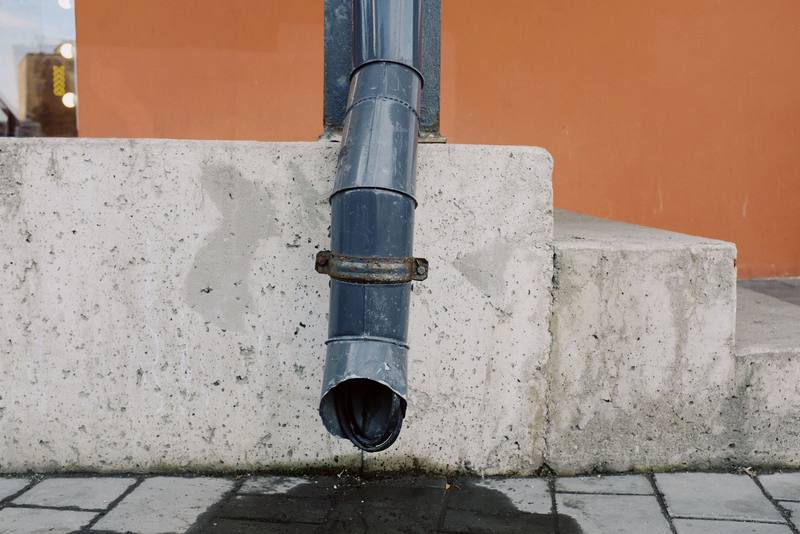
French Drain Installation
Perforated pipe in a gravel trench, wrapped in fabric, graded to carry groundwater away from the house.
Learn more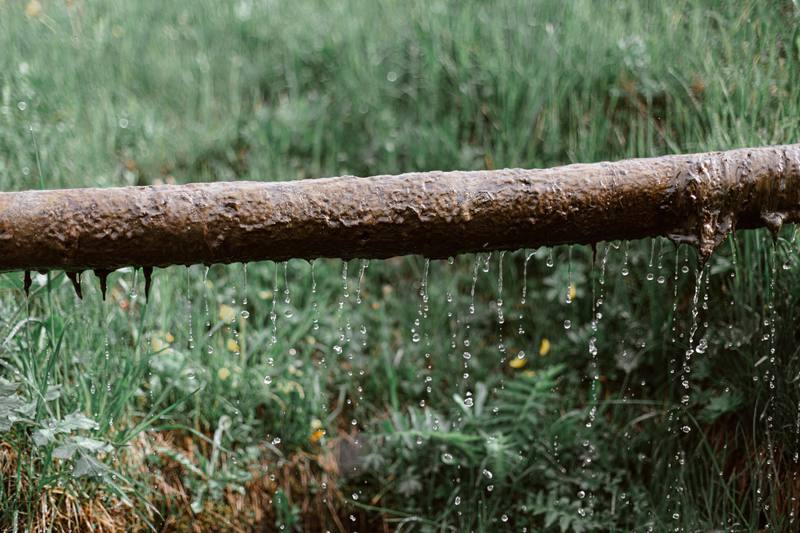
Yard Drainage
Standing water in lawns and beds solved with catch basins, surface drains and regrading.
Learn more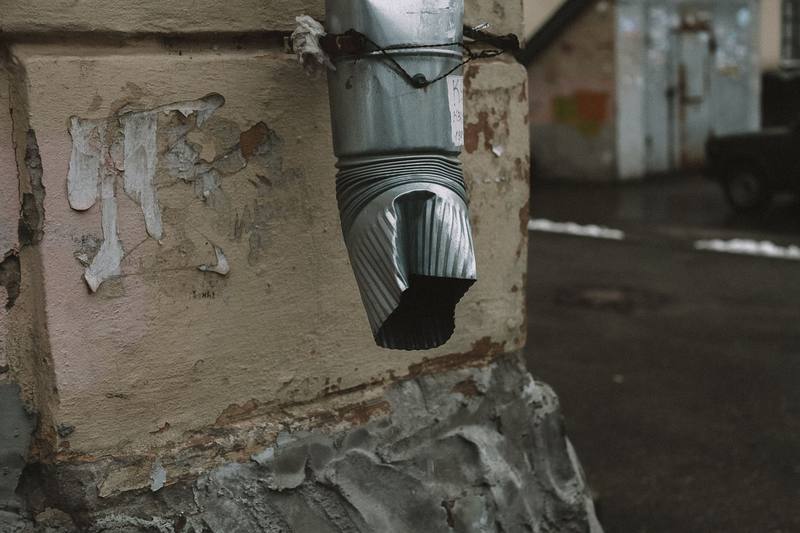
Drainage Repair
Clogged, crushed or silted drains located, flushed, repaired or replaced.
Learn more
Basement Waterproofing
We find out where water is getting into your basement, then fix it with the smallest job that will actually work.
Learn more
Wet Basement Repair
We find out how water is getting into your basement and fix the cause, not just the stain on the wall.
Learn more
Sump Pump Installation
Pits, pumps and discharge lines for basements and crawl spaces that take on water.
Learn more
Downspout Drainage
Downspouts piped underground to daylight or a dry well so roof water stops pooling at the foundation.
Learn more
Grading and Regrading
Soil reshaped so water runs away from the house and off the lawn instead of sitting.
Learn more
Emergency Flooded Basement Drainage
We pump out standing water, find out how it got in, and fix what let it in.
Learn more
Get Started
Tell us where the water is collecting
Call (717) 010-0007 or send a request. Tell us what you are seeing and when it happens, and we will set up a time to look.