Drainage in Lititz, PA
French drains, yard drainage, sump pumps and wet basement repair for homes in and around Lititz.
Lancaster French Drain works on drainage problems for homeowners in Lititz, from soggy back yards to basements that take on water after every heavy storm. We start by working out where the water comes from and where it should go, then talk through the options with you before any work begins.
How water behaves around Lititz homes
Lititz has a real mix of houses, and each kind tends to take on water in its own way. Near the center of town there are older brick and stone homes with fieldstone or block foundations. Those walls were never built to keep a basement dry. Over the decades the mortar joints soften, and water that sits against the outside of the wall works its way through. Farther out there are postwar ranches and split-levels, and newer developments built on former farmland. Those houses usually have poured or block foundations, but the lots were often graded quickly, and the soil can be heavy with clay that holds water against the foundation long after the rain stops. The weather adds to it. Winters bring repeated freezing and thawing, which heaves patios, walkways and window wells and can tip them back toward the house. Summer thunderstorms drop a lot of water in a short time, often more than a gutter and a splash block can move. Parts of Lancaster County also sit on limestone, so when we walk a yard we keep an eye out for soft spots or settling that suggest water is moving underground.
What to look for and what usually causes it
Most drainage problems give warning signs well before a basement floods. Inside, look for a tide line or damp patch low on the basement wall, a white powdery crust on concrete or block, peeling paint, a musty smell, or carpet that feels damp after a storm. A sump pump that runs for hours after the rain has stopped is telling you something too. Outside, walk the house during a heavy rain if you can. Watch where the downspouts empty. Many dump water right at the foundation or onto a walkway that slopes back toward the wall. Look for puddles that are still there a day later, mulch beds that wash out, gaps between the foundation and a patio, and soil that has settled lower than the lawn next to the house. In most of the homes we see, the cause is simple: water is being collected by the roof or the yard and then left with nowhere to go except toward the house. Fixing that path is usually the first step.
Repair or a bigger fix
Not every wet basement needs a full waterproofing system. If the trouble is a downspout emptying at the corner of the house, extending or burying that downspout can be enough. If the soil next to the foundation has settled, regrading so the ground falls away from the wall often solves a problem that looks much worse from the inside. A French drain makes sense when water moves across or through the yard and needs to be collected and carried somewhere safe. An existing drain that has stopped working may only need a clogged section cleared or a crushed pipe replaced. Interior drainage and a sump pump are usually the answer when water comes up through the floor or the joint where the floor meets the wall, or when the outside cannot be dug up. We will tell you which category your house falls into. When a smaller fix is likely to work, we say so, and we explain what to watch for in case it does not.
Drainage services available in Lititz
These are the services we offer to Lititz homeowners. French Drain Installation, for yards and foundations where groundwater or runoff needs a gravel and pipe path away from the house. Yard Drainage, for low spots, soggy lawns and water that crosses the property after storms. Drainage Repair, for existing drains, buried downspout lines and pipes that have clogged, collapsed or separated. Basement Waterproofing, to keep water out of the basement through drainage and wall treatment. Wet Basement Repair, for leaks at walls, cracks, floor joints and window wells. Sump Pump Installation, including new pits and replacement of pumps that have failed or cannot keep up. Downspout Drainage, to carry roof water well away from the foundation. Grading and Regrading, so the soil slopes away from the house instead of toward it. Emergency Flooded Basement Drainage, for basements that already have standing water. We do not offer after-hours service, so we handle flooded basements during our regular hours. If your basement is flooding, keep clear of standing water near outlets or appliances and call us when we open.
What a visit looks like
A visit starts outside. We walk the full outside of the house, look at the gutters and downspouts, check how the ground slopes, and note where water has been pooling or washing out. Then we go into the basement or crawlspace and look at the walls, the floor, the joint between them, any existing sump pit and any signs of past water. If you have photos or video from a storm, they help a great deal, because a dry day hides a lot. We ask a few questions: when the water shows up, how fast, and whether anything has changed recently, such as a new patio, a neighbor's construction or a gutter replacement. After that we explain what we think is happening in plain terms and lay out the options, starting with the simplest one that is likely to work. You get a clear description of the work before anything is scheduled, and you are free to take time to think it over.
How to book in Lititz
To set up a visit, call us at (717) 010-0007 or email info@frenchdrainlancaster.com. We are open Monday to Friday from 7:00 AM to 7:00 PM and Saturday from 8:00 AM to 5:00 PM. We are closed on Sunday. When you get in touch, tell us your address in Lititz, what you are seeing and when it happens. If you have a photo of the wet spot, the yard after rain or the place where your downspouts empty, send it along. That lets us come prepared and makes the first visit more useful. If a heavy storm is in the forecast and you are not sure where the water goes, that is a good time to call, because a short walk around the house in the rain can answer a lot of questions.
About Lititz: Lititz, PA on Wikipedia · Lititz on Google Maps
Services
Services in Lititz, PA
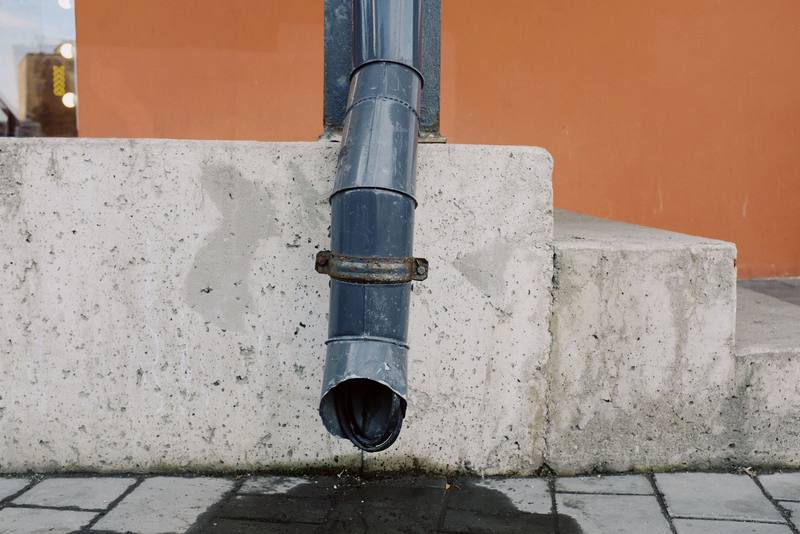
French Drain Installation
Perforated pipe in a gravel trench, wrapped in fabric, graded to carry groundwater away from the house.
Learn more
Yard Drainage
Standing water in lawns and beds solved with catch basins, surface drains and regrading.
Learn more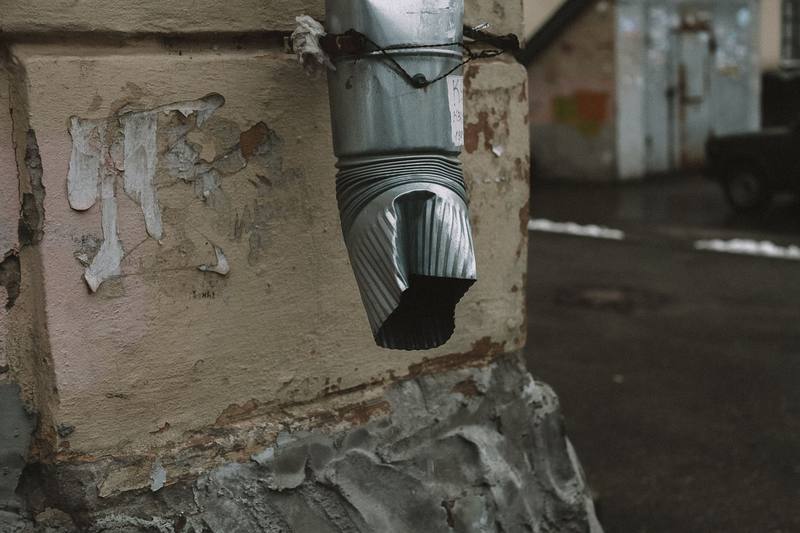
Drainage Repair
Clogged, crushed or silted drains located, flushed, repaired or replaced.
Learn more
Basement Waterproofing
We find out where water is getting into your basement, then fix it with the smallest job that will actually work.
Learn more
Wet Basement Repair
We find out how water is getting into your basement and fix the cause, not just the stain on the wall.
Learn more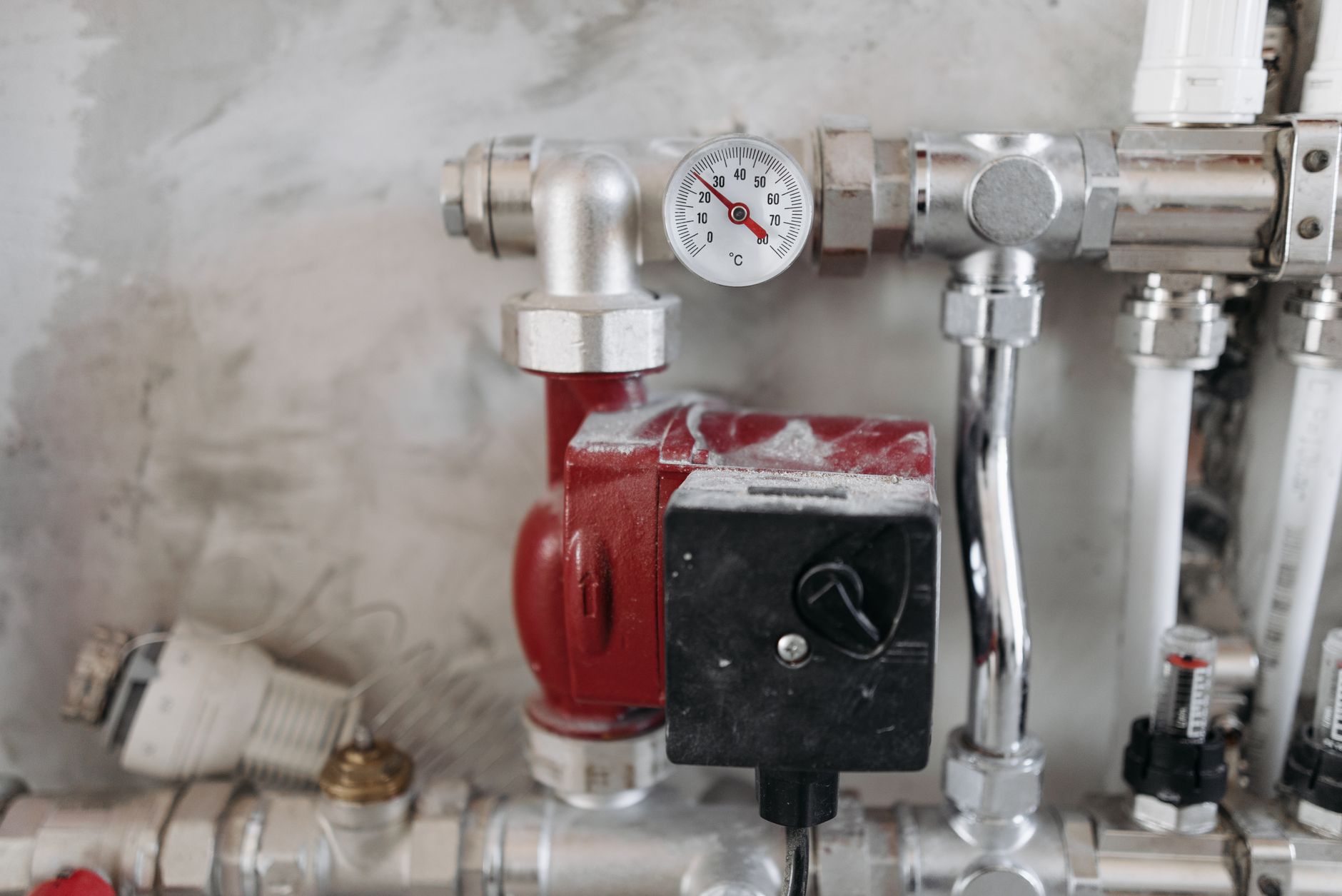
Sump Pump Installation
Pits, pumps and discharge lines for basements and crawl spaces that take on water.
Learn more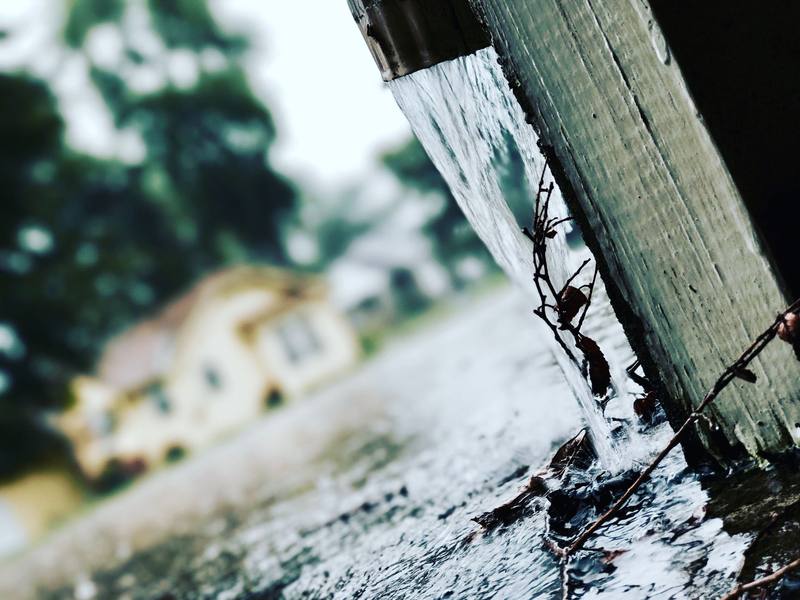
Downspout Drainage
Downspouts piped underground to daylight or a dry well so roof water stops pooling at the foundation.
Learn more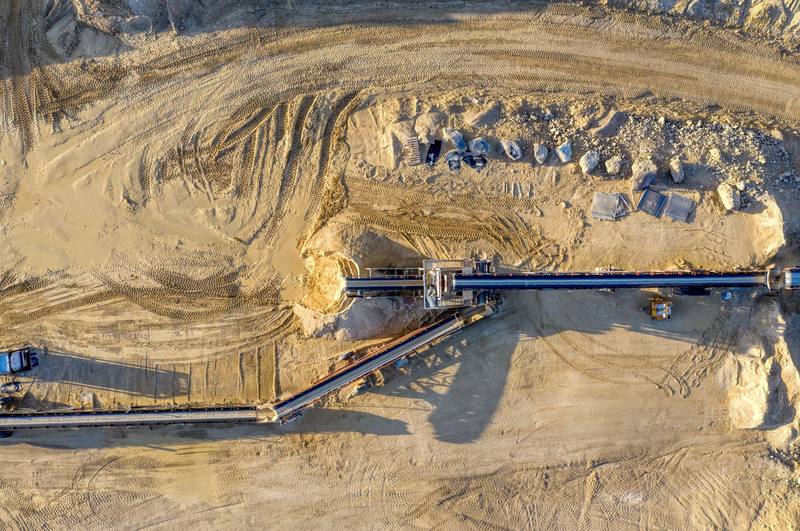
Grading and Regrading
Soil reshaped so water runs away from the house and off the lawn instead of sitting.
Learn more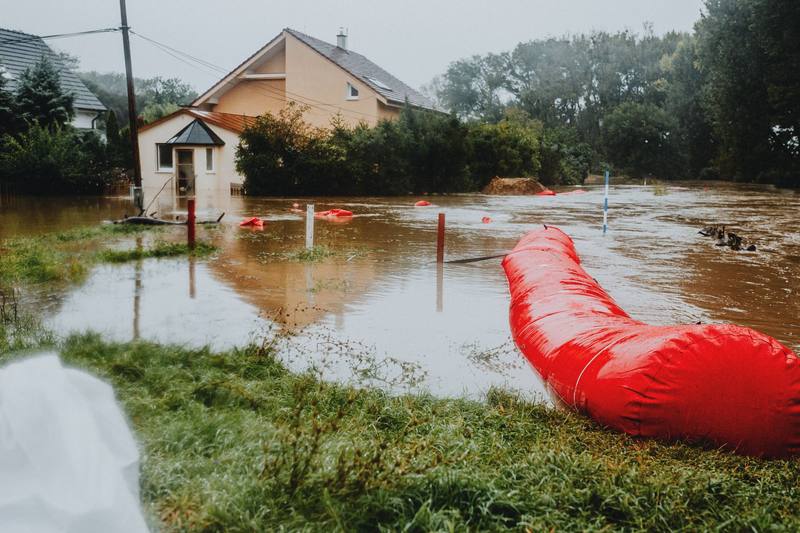
Emergency Flooded Basement Drainage
We pump out standing water, find out how it got in, and fix what let it in.
Learn more
Get Started
Tell us where the water is collecting
Call (717) 010-0007 or send a request. Tell us what you are seeing and when it happens, and we will set up a time to look.