Drainage in Columbia, PA
French drains, sump pumps, grading and wet basement repair for homes in Columbia, PA.
Columbia's older homes and sloping streets send a lot of water toward foundations. We help homeowners in Columbia work out where that water is coming from and how to move it away from the house. Lancaster French Drain is based in Lancaster and serves Columbia along with nearby towns.
Why water finds its way into Columbia basements
Columbia sits on the east bank of the Susquehanna, and much of the town is built on ground that slopes down toward the river. That slope matters. Water from higher streets and yards moves downhill through the soil, and a house partway down the hill catches what drains from the lots above it. Add long, wet springs and the freeze and thaw cycles of a Lancaster County winter, and you get basements that stay damp for weeks at a time.
Clay-heavy soil is common here too. Clay holds water and swells when it is wet. That pushes against foundation walls and slows how fast a yard drains after a storm. When the ground is already full, a heavy summer thunderstorm has nowhere to go but across the surface and toward the lowest point, which is often your foundation.
Older houses, narrow lots and what to look for
Many homes in Columbia are older brick rowhouses and twins, some with fieldstone or rubble stone foundations laid long before anyone thought about waterproofing. Those walls were built to breathe. Mortar joints soften over the decades, and water that once seeped in slowly starts to show up as wet patches, a white mineral crust on the stone, or a musty smell that never quite leaves.
Lots are often narrow, with little room between one house and the next, and back yards that drain toward an alley. Downspouts on these homes often empty right at the base of the wall, or into old clay pipes that run underground to a place nobody remembers. When those pipes crack or fill with roots, the water backs up beside the foundation. Newer homes on the edges of town have their own patterns: poured or block foundations, sump pits that came with the house, and builder grading that has settled so the yard now tips toward the house instead of away from it.
Signs worth checking: a damp line along the bottom of a basement wall, water coming in where the floor meets the wall, puddles that sit in the yard for a day or more after rain, soil washing out below a downspout, and a sump pump that runs constantly or not at all.
Services we offer in Columbia
We offer the same work in Columbia that we do across the rest of our area.
French Drain Installation, for yards and foundations where groundwater needs a path away from the house. Yard Drainage, for low spots, soggy lawns and water that runs over from a neighbor's lot. Drainage Repair, for clogged, crushed or disconnected pipes and older drains that have stopped working. Basement Waterproofing, to slow or stop water coming through walls and floors. Wet Basement Repair, for when water is already getting in and you need both the damage and the source dealt with. Sump Pump Installation, including new pits and replacing a pump that has failed or is too small for the job. Downspout Drainage, to carry roof water well away from the foundation instead of dropping it at the wall. Grading and Regrading, to reshape the soil so the ground slopes away from the house.
We also offer Emergency Flooded Basement Drainage, to pump out standing water and find out why it got in. We do not provide after-hours service, so this work is handled during our regular hours.
Repair or replace
Not every wet basement needs a full system. If the problem is one downspout emptying against the wall, extending it or piping it underground is often enough. If the yard tips toward the house, regrading may solve most of it. We look at the simpler fixes first, because sometimes they are all you need.
A French drain or interior drainage makes more sense when water is coming up from below, when the ground stays wet long after rain, or when surface fixes have already been tried. An existing drain that has failed can sometimes be cleared or repaired in sections. If the pipe is crushed along its length, or it was laid without enough fall, replacing it is usually the better choice. The same goes for a sump pump. An older pump that still runs can sometimes be kept with a new float switch, but one that hums without moving water should be replaced.
What a visit involves
A visit starts outside. We walk the property and look at where water would go: gutters, downspouts, the slope of the yard, the alley or street behind you, and any low spots. Then we go down to the basement and look at the walls, the joint where the floor meets the wall, the sump pit if you have one, and any stains or crumbling mortar. It helps if you can tell us when the water shows up, whether that is after heavy rain, during snowmelt or all the time, and whether it has gotten worse.
After that we explain what we think is causing it, in plain terms, and what we would do about it. If there is more than one reasonable option, we walk you through each one and tell you which we would pick and why. You decide what happens next. Nothing is dug or installed until you have agreed to it.
How to book a visit in Columbia
Call us at (717) 010-0007, email info@frenchdrainlancaster.com, or use the Request a Drainage Visit button on this page. Tell us your street in Columbia, what you are seeing and when it happens. Photos of the wet area, or of the yard after rain, are useful if you have them.
We are open Monday to Friday from 7:00 AM to 7:00 PM and Saturday from 8:00 AM to 5:00 PM. We are closed on Sunday. If your basement is flooding, call during those hours and tell us so, and we will plan around it.
About Columbia: Columbia, PA on Wikipedia · Columbia on Google Maps
Services
Services in Columbia, PA
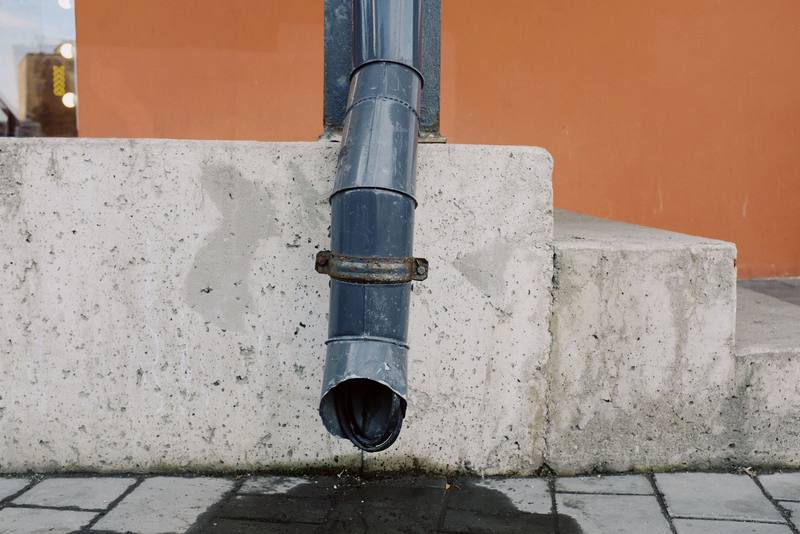
French Drain Installation
Perforated pipe in a gravel trench, wrapped in fabric, graded to carry groundwater away from the house.
Learn more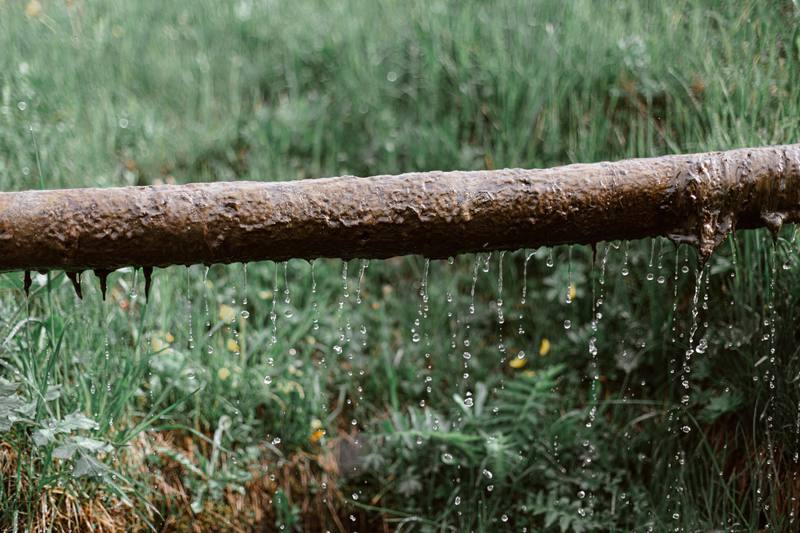
Yard Drainage
Standing water in lawns and beds solved with catch basins, surface drains and regrading.
Learn more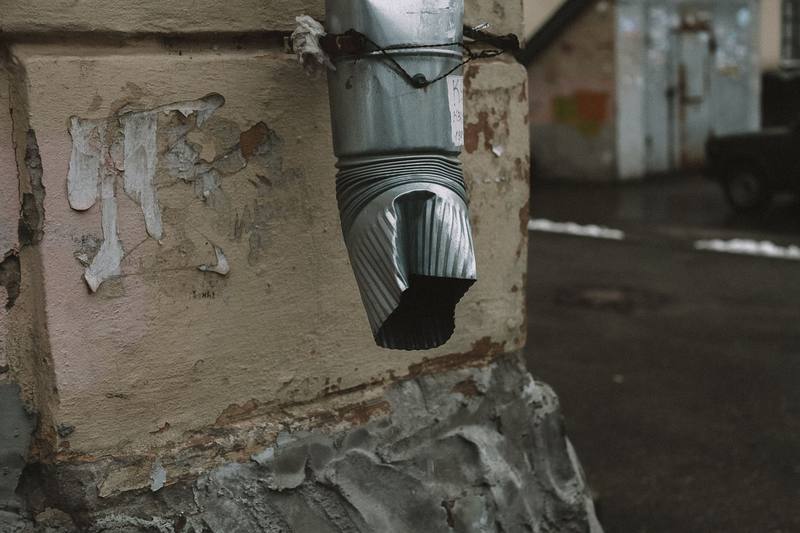
Drainage Repair
Clogged, crushed or silted drains located, flushed, repaired or replaced.
Learn more
Basement Waterproofing
We find out where water is getting into your basement, then fix it with the smallest job that will actually work.
Learn more
Wet Basement Repair
We find out how water is getting into your basement and fix the cause, not just the stain on the wall.
Learn more
Sump Pump Installation
Pits, pumps and discharge lines for basements and crawl spaces that take on water.
Learn more
Downspout Drainage
Downspouts piped underground to daylight or a dry well so roof water stops pooling at the foundation.
Learn more
Grading and Regrading
Soil reshaped so water runs away from the house and off the lawn instead of sitting.
Learn more
Emergency Flooded Basement Drainage
We pump out standing water, find out how it got in, and fix what let it in.
Learn more
Get Started
Tell us where the water is collecting
Call (717) 010-0007 or send a request. Tell us what you are seeing and when it happens, and we will set up a time to look.