Drainage in Willow Street, PA
We find where water collects around Willow Street homes and fix it, whether it's a soggy yard or a wet basement floor.
Willow Street sits on rolling farmland south of Lancaster, so water from a heavy storm has to go somewhere, and too often it ends up against a foundation or across a lawn. We look at how water moves on your lot, find where it collects, and tell you plainly what will fix it. Some fixes are small and some are bigger, and we explain which one you need before any work starts.
Why water causes trouble in Willow Street
Willow Street has a wide mix of houses. There are old stone and brick farmhouses, postwar ranches and split-levels on quiet streets, and newer homes in subdivisions built on what used to be fields. Each type handles water differently. Older stone foundations were never built to keep water out, so they let moisture through the mortar joints. Mid-century block basements often have footing drains that have silted up or collapsed over the decades. Newer homes can have a different problem: the soil around them was disturbed during building, and after a few years it settles and the ground starts sloping toward the house instead of away from it.
The soil matters too. Much of the ground in this part of Lancaster County is heavy with clay, and clay drains slowly. After a long soaking rain, it holds water close to the surface and pushes it against foundation walls. Winters bring freeze and thaw cycles that heave soil, crack concrete and loosen downspout connections. Summers bring short, heavy thunderstorms that drop more water than gutters and lawns can take in. The usual signs are puddles that stay for days, a damp line along the bottom of a basement wall, a musty smell, efflorescence (white powder) on block, or a sump pump that runs constantly or not at all.
Repair or replace: how we think about it
Not every wet spot needs a large project. If water is pooling near the house because a downspout dumps right at the foundation, extending or burying that downspout may solve it. If a strip of lawn stays soft because the grade has sunk, regrading that area can be enough. We always check the simple causes first.
When the problem is underground, the choice gets harder. An existing French drain or footing drain that is only partly clogged can sometimes be flushed or opened up and repaired in sections. If the pipe is crushed, filled with roots or was laid without enough fall, patching it usually doesn't hold, and a new line is the better spend. For basements, a crack that weeps during storms can often be sealed. Water coming up where the floor meets the wall, or through the floor itself, usually points to water pressure under the slab, and that calls for an interior drain and a sump pump rather than a coating on the wall. We will tell you which of these we think you are dealing with and why.
Services we offer in Willow Street
Our work in Willow Street covers the same services we offer everywhere: French Drain Installation, Yard Drainage, Drainage Repair, Basement Waterproofing, Wet Basement Repair, Sump Pump Installation, Downspout Drainage, Grading and Regrading, and Emergency Flooded Basement Drainage.
French Drain Installation and Yard Drainage handle water moving across or through the ground before it reaches the house. Drainage Repair covers existing systems that have stopped working. Basement Waterproofing and Wet Basement Repair deal with water that is already getting in through walls, floors or the joint between them. Sump Pump Installation covers new pits, replacing a failing pump, and making sure the discharge line carries water far enough from the foundation that it doesn't just cycle back. Downspout Drainage and Grading and Regrading are often the least disruptive fixes, and they help any other system work better. Emergency Flooded Basement Drainage is for when there is standing water in the basement now. We take those calls during our regular hours and get to them as soon as our schedule allows. We do not offer after-hours service.
What a visit looks like
A visit starts outside. We walk the property and look at roof runoff, where downspouts discharge, which way the ground slopes, and where water has left marks like bare soil, moss or washed-out mulch. We look at neighbouring lots too, because in a place like Willow Street, where many homes sit downhill from fields or other yards, a lot of the water arriving on your property started somewhere else.
Then we go inside if there is a basement or crawlspace involved. We check the walls and floor for staining, cracks and efflorescence, look at any existing sump pit and pump, and ask you when the water shows up. Whether it comes during long rains, sudden downpours or snowmelt tells us a lot about the cause. It helps if you have photos from a past storm.
Once we've seen everything, we explain what we think is causing the problem and what we would do about it. If more than one approach would work, we describe each so you can choose. You get a written description of the proposed work before anything is scheduled. Installation work involves digging, so we discuss where trenches will run, what happens to your lawn and plantings, and how the area will look when we leave.
How to book a visit
You can call us at (717) 010-0007 or email info@frenchdrainlancaster.com. We answer the phone Monday to Friday from 7:00 AM to 7:00 PM and on Saturday from 8:00 AM to 5:00 PM. We are closed on Sunday. When you get in touch, tell us roughly where the water is, how long it has been happening, and whether it is getting worse. That helps us plan the visit and bring the right equipment.
We are based in Lancaster, so Willow Street is a short drive for us, and we often have crews working in the southern townships. If you'd rather start online, use the Request a Drainage Visit button on this page and we will get back to you to set a time.
About Willow Street: Willow Street, PA on Wikipedia · Willow Street on Google Maps
Services
Services in Willow Street, PA
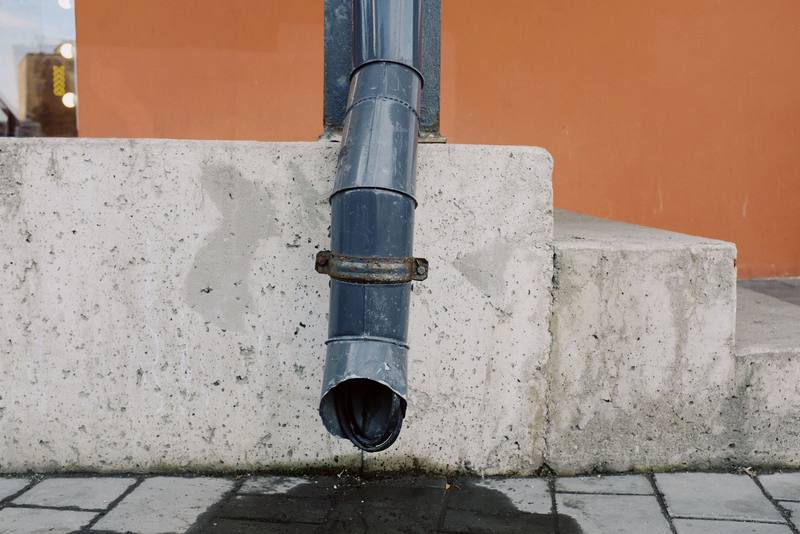
French Drain Installation
Perforated pipe in a gravel trench, wrapped in fabric, graded to carry groundwater away from the house.
Learn more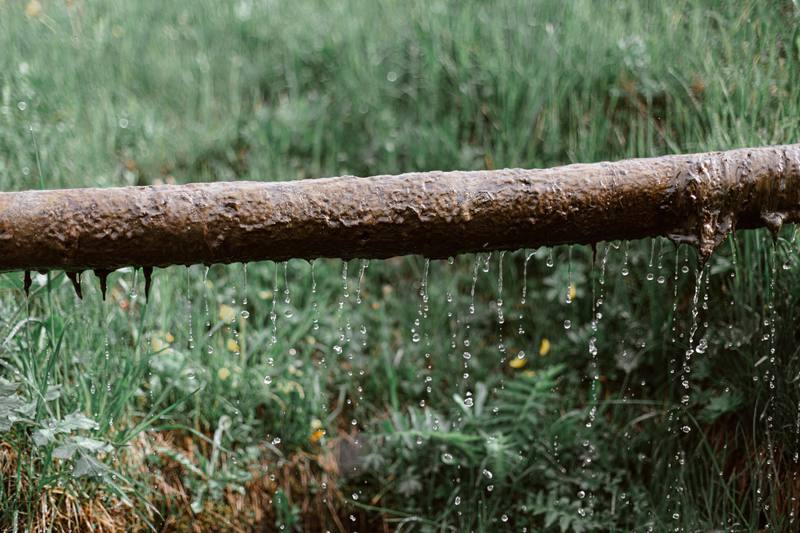
Yard Drainage
Standing water in lawns and beds solved with catch basins, surface drains and regrading.
Learn more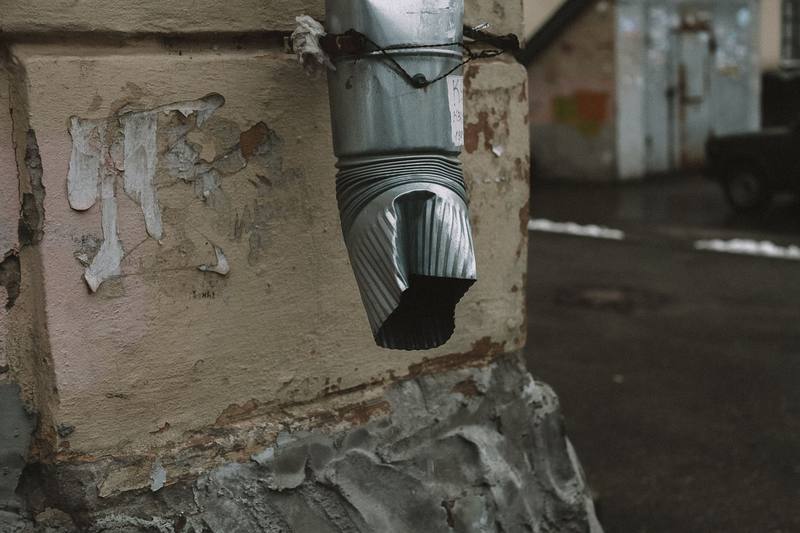
Drainage Repair
Clogged, crushed or silted drains located, flushed, repaired or replaced.
Learn more
Basement Waterproofing
We find out where water is getting into your basement, then fix it with the smallest job that will actually work.
Learn more
Wet Basement Repair
We find out how water is getting into your basement and fix the cause, not just the stain on the wall.
Learn more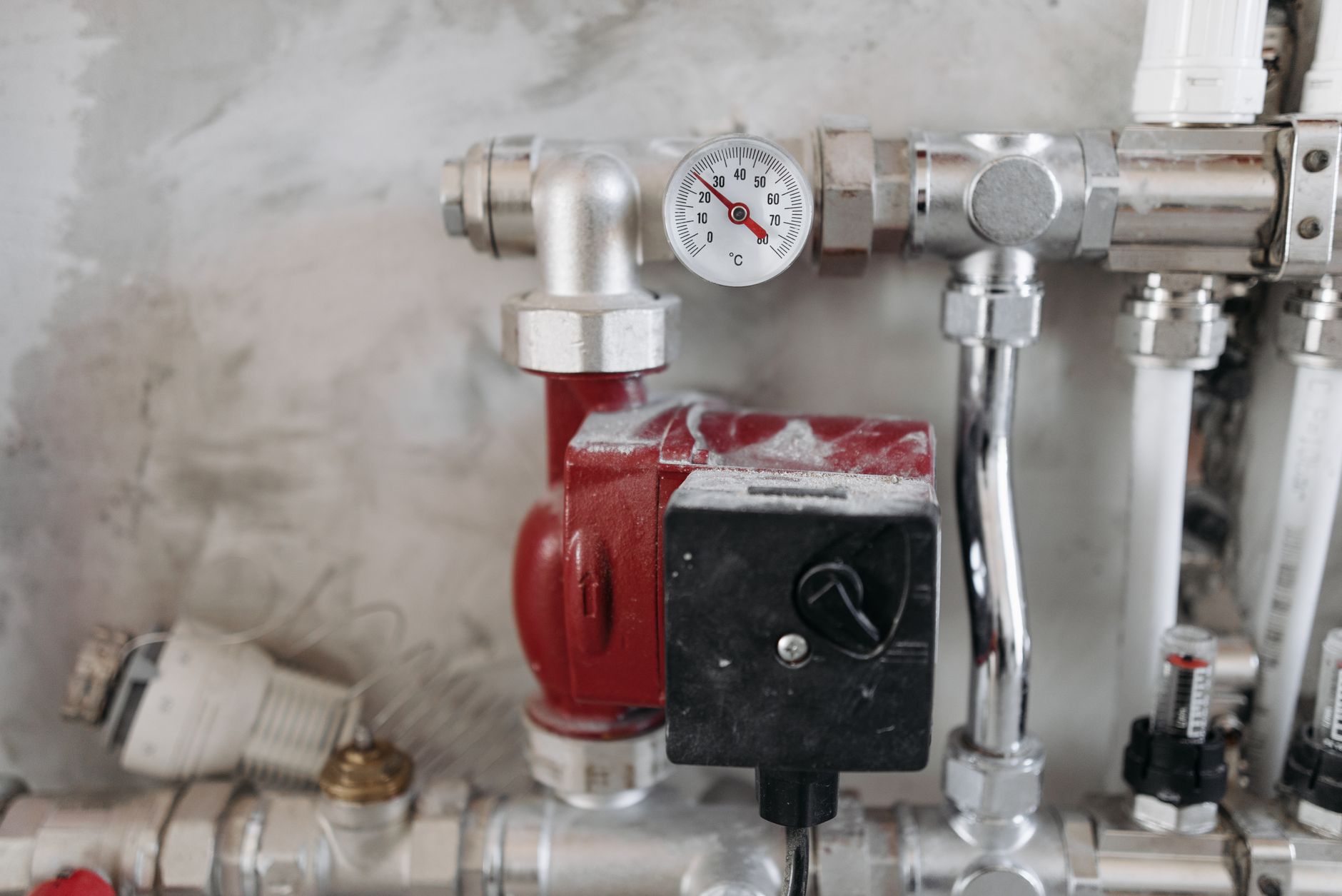
Sump Pump Installation
Pits, pumps and discharge lines for basements and crawl spaces that take on water.
Learn more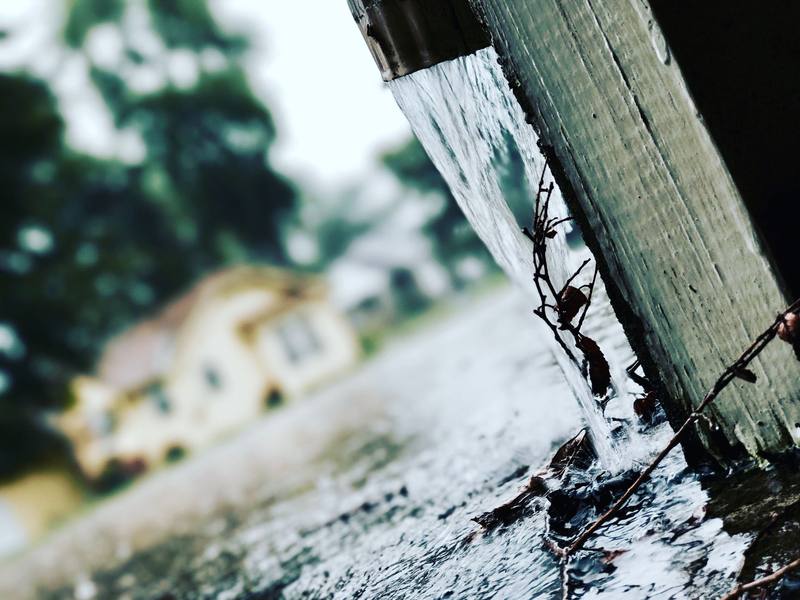
Downspout Drainage
Downspouts piped underground to daylight or a dry well so roof water stops pooling at the foundation.
Learn more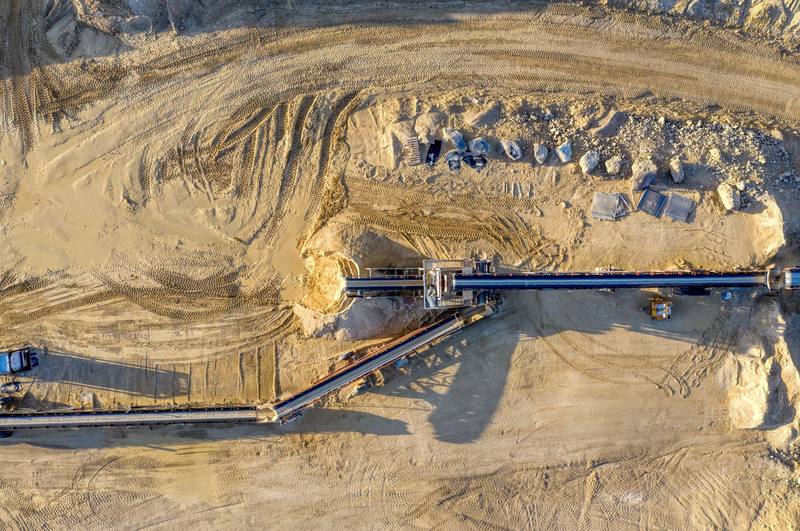
Grading and Regrading
Soil reshaped so water runs away from the house and off the lawn instead of sitting.
Learn more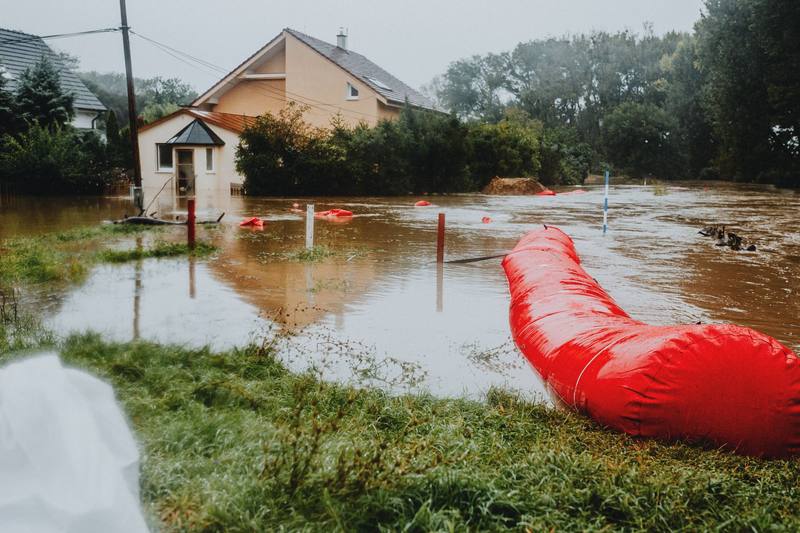
Emergency Flooded Basement Drainage
We pump out standing water, find out how it got in, and fix what let it in.
Learn more
Get Started
Tell us where the water is collecting
Call (717) 010-0007 or send a request. Tell us what you are seeing and when it happens, and we will set up a time to look.