Do I need a sump pump with a French drain?
Only if the water your French drain collects has nowhere lower to go, because a French drain runs on gravity and a sump pump is what you add when gravity can't finish the job.
Many homeowners in Lancaster ask us this once they start pricing drainage work. The answer depends less on the drain and more on your lot: where the water collects, how deep the drain sits, and whether there is a lower spot it can flow to. Here is how to work it out for your own property.
The plain answer
A French drain is a trench with gravel and a perforated pipe. Water soaks into the gravel, enters the pipe and flows downhill to an outlet. Nothing in it is powered. As long as the pipe can slope down to a point lower than where the water collects, the drain empties itself and you do not need a pump.
A sump pump is needed when that outlet doesn't exist. The usual case is a drain around a basement, either inside along the footing or outside at footing depth. That pipe sits several feet below the yard, and on most lots there is no ground lower than that within reach. So the water runs to a pit, and the pump lifts it up and out. If your French drain is in the yard to fix a soggy lawn, you probably won't need a pump. If it protects a basement, you probably will.
What changes the answer on a real property
The first thing is depth. A shallow yard drain a foot or two down can usually reach daylight, meaning the pipe comes out at the surface somewhere downhill. A footing drain at the base of a basement wall rarely can, unless the house sits on a slope with one side open to lower ground.
The second is the shape of the lot. Around Lancaster you see both rolling ground and long, fairly flat stretches. On a slope, gravity does most of the work. On a flat lot, or a house built in a dip, the outlet may need to run a long way to find lower ground, and sometimes there is no lower ground on your property at all.
The third is soil and what sits under it. Much of the county has heavy clay that holds water and drains slowly, which is why yards stay wet for days after a storm. Parts of the area also sit on limestone. Where that is true, you have to think about where the water ends up. Dumping a large, steady flow of water in one spot over limestone is not something we recommend, so the discharge point matters as much as the drain.
The fourth is the house itself. Older stone foundations in farmhouses and in the brick rowhomes of the city and Columbia tend to let water through the walls in more places than a newer poured wall. Many newer homes in places like Lititz and Willow Street already have a sump pit built in. If yours does, that changes the conversation, because the pump may already be there and the question becomes whether it is getting the water it should.
Last, where the water is allowed to go. The discharge can't simply be pointed at a neighbour's yard, and your township may have rules about where it can drain. That alone can decide between a gravity outlet and a pump.
What you can check yourself
Start in the basement. Look in the corners and along the walls for a covered pit or a round lid in the floor. If you find one, see whether there is a pump in it and whether it runs during wet weather.
Next, watch your property during a heavy rain. Note where water pools, which way it moves and how long it stays. A few phone photos taken during and after a storm tell us more than any description.
Then find the low point. Stand where the water collects and look for any ground lower than that spot. If the lowest ground on your lot is higher than where the drain would need to sit, gravity won't work on its own.
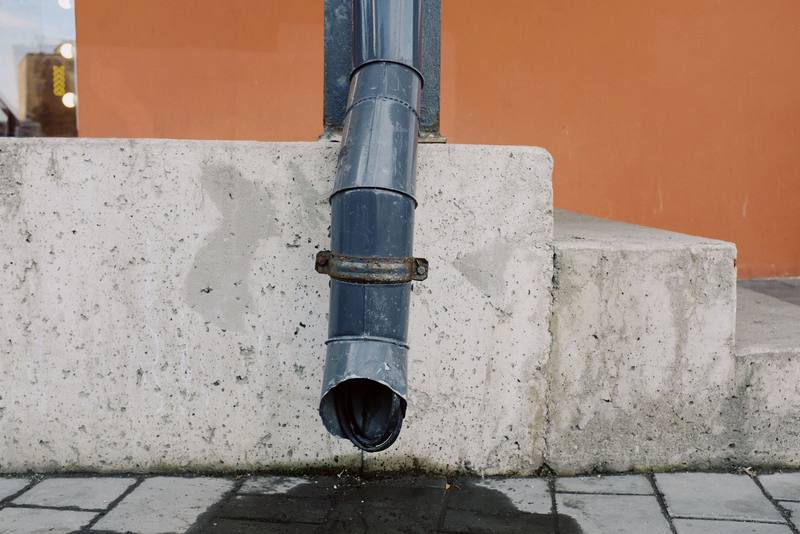
Check your downspouts. Many wet basements and soggy yards start with gutters emptying right against the foundation. Where each downspout lets out is worth knowing before anyone digs.
If you already have a French drain, find its outlet and look at it after rain. A drain that never discharges anything is often clogged with silt or crushed somewhere along the run.
When it needs a professional
Call someone when water comes into the basement, whether through the wall, at the joint where wall meets floor, or up through the slab. Those problems usually need a drain at footing depth, and that is where the pump decision becomes real.
It also makes sense to get help when you can't find a downhill outlet, when an existing pump runs constantly or has failed, or when the yard has soft spots or small holes appearing. That last one is worth a look sooner rather than later around here, given the limestone under parts of the county.
Any digging near a foundation or across a yard also means locating buried lines first. In Pennsylvania that starts with a call to 811 a few days before work begins. It is free, and nobody should dig without it.
How this fits with the work we do
On a visit we walk the property, look at the basement and check the grade. Then we tell you whether a gravity drain will work or whether the water has to be pumped. If French Drain Installation with a gravity outlet will solve it, that is what we recommend, because a system with no moving parts has less that can fail.
When the drain has to sit below any outlet, we pair it with Sump Pump Installation and plan where the pump will discharge so the water doesn't loop back toward the house. Sometimes the honest answer is smaller than either. Redirecting downspouts or regrading the soil along the foundation fixes more wet basements than people expect, and it is worth trying before deeper work. Whatever we find, we'll explain what is causing the water and what we think should come first.
Related questions
Yes, and that is the standard setup for basement drains. The French drain collects the water and slopes to the pit, and the pump lifts it out. It only works if the pump has enough capacity for the water the drain brings in.
The drain keeps collecting water, but the pump stops lifting it, so the pit can fill and overflow during a storm. That is the main trade-off of a pumped system compared with one that drains by gravity. Some homeowners add a battery backup pump for this reason.
Rarely, but it happens on flat lots or when the wet spot is the lowest ground on the property. If water has no lower place to go, it either needs a pump or a different approach, such as regrading the yard so water moves away before it pools.
Check the outlet after a good rain. Water should come out for a while and then taper off. If the outlet stays dry while the ground above the drain stays soggy, the pipe is likely clogged with silt or damaged somewhere along its length.
Usually, yes. Downspouts that empty against the foundation put a lot of roof water right where you don't want it. Extending or rerouting them is simple, and sometimes it solves the problem without a French drain at all.
Services
How we can help in Lancaster
French Drain Installation
Perforated pipe in a gravel trench, wrapped in fabric, graded to carry groundwater away from the house.
Learn more
Yard Drainage
Standing water in lawns and beds solved with catch basins, surface drains and regrading.
Learn more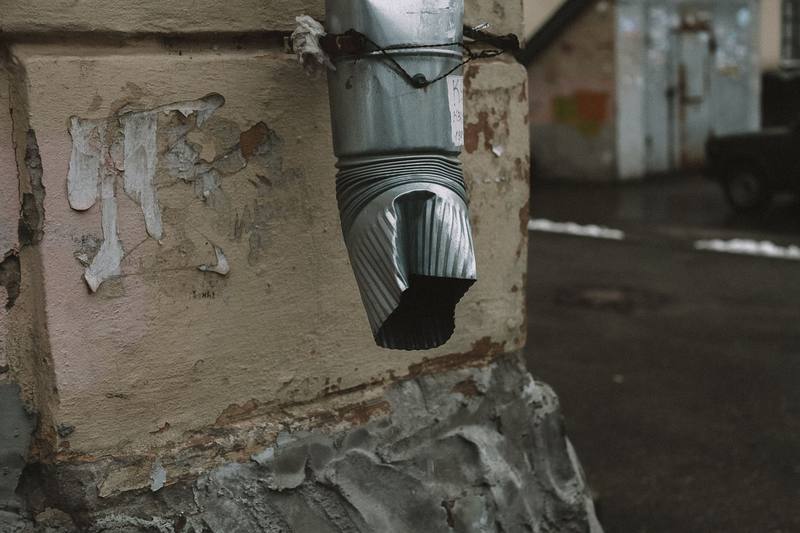
Drainage Repair
Clogged, crushed or silted drains located, flushed, repaired or replaced.
Learn more
Basement Waterproofing
We find out where water is getting into your basement, then fix it with the smallest job that will actually work.
Learn more
Wet Basement Repair
We find out how water is getting into your basement and fix the cause, not just the stain on the wall.
Learn more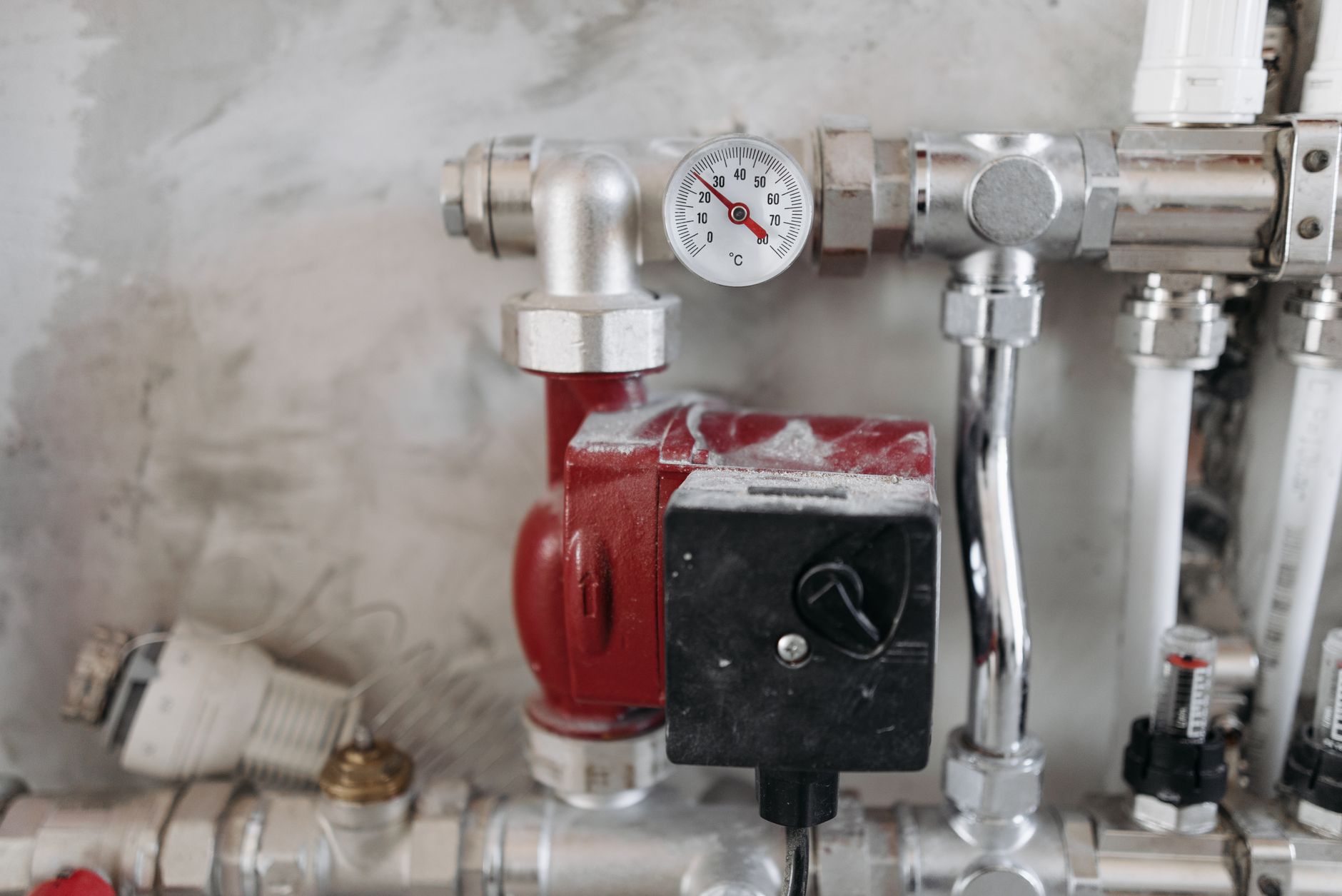
Sump Pump Installation
Pits, pumps and discharge lines for basements and crawl spaces that take on water.
Learn more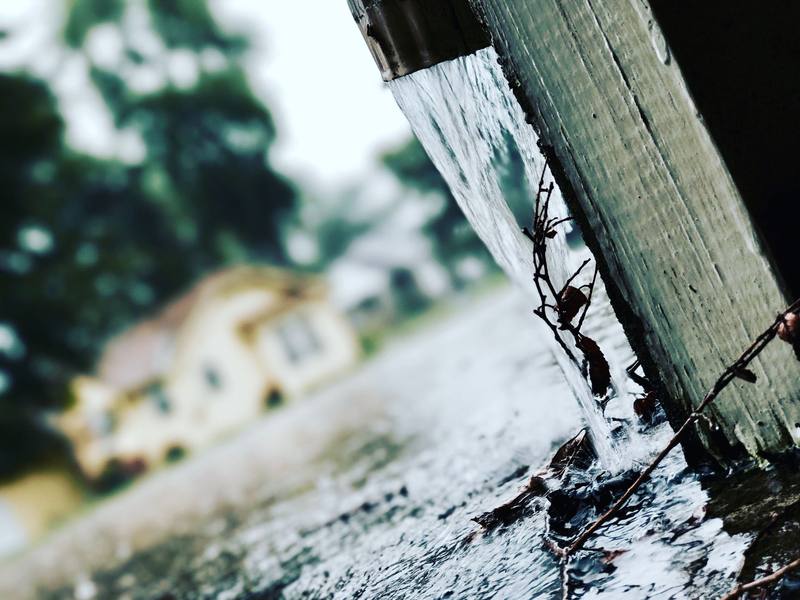
Downspout Drainage
Downspouts piped underground to daylight or a dry well so roof water stops pooling at the foundation.
Learn more
Grading and Regrading
Soil reshaped so water runs away from the house and off the lawn instead of sitting.
Learn more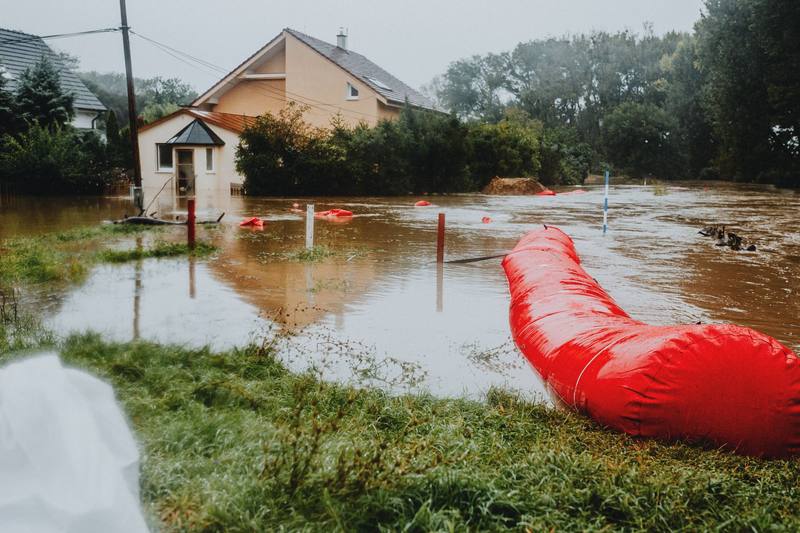
Emergency Flooded Basement Drainage
We pump out standing water, find out how it got in, and fix what let it in.
Learn more
Get Started
Tell us where the water is collecting
Call (717) 010-0007 or send a request. Tell us what you are seeing and when it happens, and we will set up a time to look.