How deep should a French drain be?
Most yard French drains are dug 18 to 24 inches deep, but the right depth is whatever gets the pipe below the wet layer and still lets it fall steadily to a place the water can leave.
Depth is the first thing most people ask about a French drain, and the honest answer is that it depends on what the drain is for. A shallow trench that catches surface water in a soggy lawn is a very different job from a drain that protects a basement wall. Here is how we think about it on properties around Lancaster.
The short answer
For a typical yard drain meant to pull water out of a wet lawn or away from a patio, the trench is usually 18 to 24 inches deep and about 6 to 12 inches wide. That leaves room for a layer of washed stone under the pipe, the perforated pipe itself, more stone over it, and a few inches of soil or decorative stone on top.
A drain built to protect a foundation is a different thing. A footing drain sits down beside the footing, at roughly the level of the basement floor, because that is where the water pressing on the wall collects. On a full basement that can mean digging several feet down, which is a much bigger job than a yard drain.
Depth on its own is not the goal, though. A French drain only works if the pipe falls steadily from one end to the other and comes out somewhere lower. A drain that is deep but flat, or deep at the outlet end, just holds water underground.
What changes the answer on a real property
When we look at a yard, a few things decide how deep the trench goes.
Around Lancaster, much of the ground sits on limestone, and some yards have heavy, silty soil that drains slowly. In tight soil the water perches near the surface, so a moderately deep drain with plenty of stone does most of the work. Where bedrock or large rock comes up close to the surface, depth is limited by what can actually be dug, and the layout has to change instead.
- Where the water is coming from: surface runoff from a neighbour's yard calls for a shallower drain than groundwater rising from below.
- Where it can go: the outlet sets the depth. If the only low point is a curb or a swale at the back of the lot, the whole trench has to be planned backward from that spot.
- The length of the run: every extra foot of pipe needs a little more fall, so a long drain on a flat lot either starts shallow or ends deep.
- What is in the way: tree roots, buried utility lines, septic lines and sidewalks all limit how deep and where you can dig.
- What the drain protects: a lawn, a driveway edge or a foundation wall each need the pipe at a different level.
What you can check yourself
Before anyone digs, a homeowner can learn a lot in a weekend of wet weather. Walk the yard during and right after a heavy rain and note where water sits, where it runs and how long it takes to drain away. Puddles that are gone in a few hours are a surface problem. Ground that stays spongy for days usually means water is moving underneath.
Look at your downspouts too. A surprising number of wet yards and damp basement corners come from a downspout dumping roof water right at the foundation. Fixing that with proper downspout drainage is often cheaper and simpler than a French drain, and sometimes it is the whole fix.
You can dig a test hole with a post-hole digger in the wettest spot. If water seeps in and fills the hole from the sides within a foot or two, the wet layer is shallow and a standard-depth drain will reach it. If the soil is dry a foot down but the surface stays wet, grading may matter more than depth.
Always call 811 before you dig, even for a test hole. It is free, and it keeps you from hitting a gas or electric line.
When it needs a professional
A short drain across a soggy patch of lawn is a job some handy homeowners take on. It gets harder when the drain needs to run a long distance, when the lot is nearly flat, or when the water problem is showing up inside the house.
If you have water coming through a basement wall, along the joint where the wall meets the floor, or up through the slab, a yard drain alone is unlikely to fix it. That kind of problem usually needs a drain at footing level, a sump pump, or both, and getting the depth and pitch right matters a great deal. Digging next to a foundation also carries a risk of undermining it if it is done carelessly.
Older Lancaster homes add their own wrinkles. Stone and block foundations on older houses in the city and in towns like Lititz and Columbia were built without modern drainage, and the ground around them has often been built up over the years. Those houses tend to need a closer look before anyone picks a depth.
How depth fits the work we do
Most of our French Drain Installation visits start with the same questions above: where the water comes from, where it can go and what the drain needs to protect. From there we pick a depth and a route that let the pipe fall the whole way to a working outlet, and we explain why before any digging starts.
When the problem is inside the house, the conversation usually turns to Basement Waterproofing, where the drain sits much lower and works with a sump pit. In both cases the right depth is the one that matches the job, not a number picked in advance.
If you are not sure which kind of drain your property needs, a visit is the simplest way to find out. We will walk the yard with you, look at the grade and downspouts, and tell you plainly whether a French drain is the right answer at all.
Related questions
Yes. If the pipe sits above the layer where water collects, it will stay dry while the ground around it stays wet. A very shallow drain can also be crushed or clogged more easily by foot traffic, mowers and roots.
It can, if the depth leaves the pipe with no lower outlet to drain to. Water then pools in the trench instead of leaving the property. Digging deep next to a foundation can also disturb the soil that supports it, which is why that work should be planned carefully.
The pipe needs to fall steadily from its high end to its outlet, with no dips where water can sit. A common rule of thumb is about one inch of fall for every eight to ten feet of pipe, but the outlet location often decides the real number.
They work the same way, with stone and perforated pipe, but they sit at different depths and do different jobs. A yard French drain catches water near the surface, while a footing drain sits down at the base of the foundation to keep water away from a basement.
If water runs toward the house or pools on the surface after rain and drains off within hours, regrading the soil and fixing downspouts is often enough. A French drain makes more sense when the ground stays saturated for days or water is coming from below the surface.
Services
How we can help in Lancaster
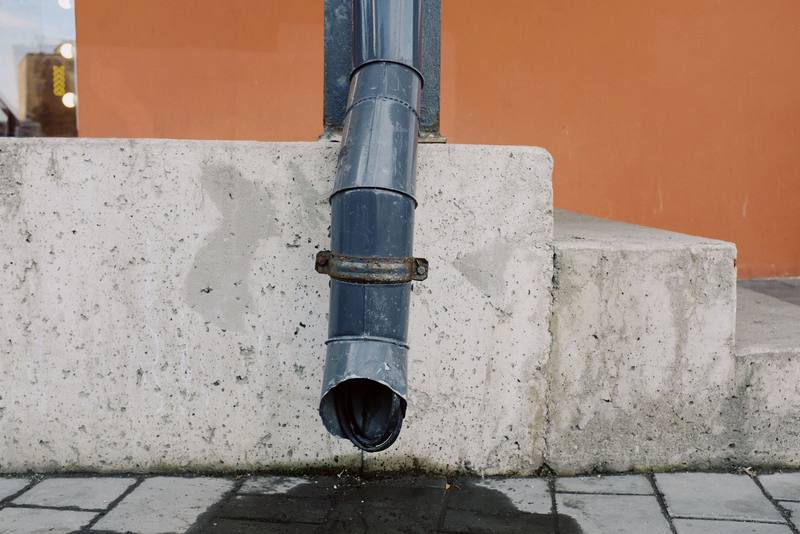
French Drain Installation
Perforated pipe in a gravel trench, wrapped in fabric, graded to carry groundwater away from the house.
Learn more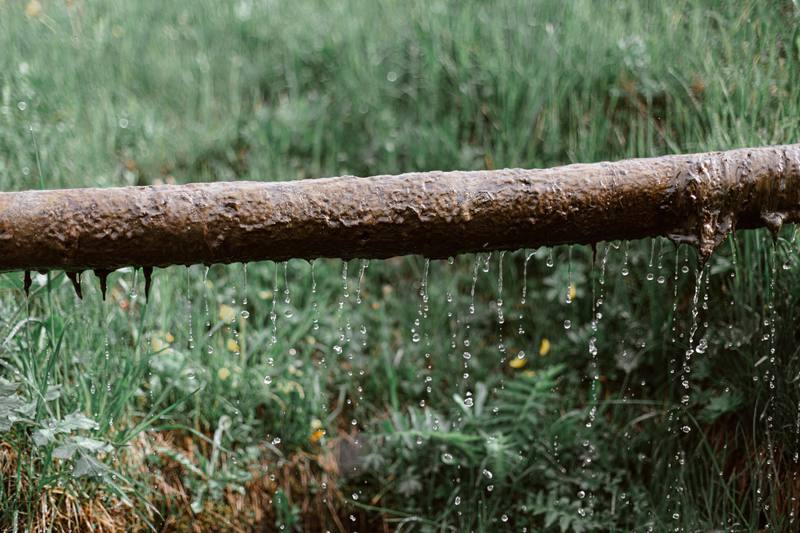
Yard Drainage
Standing water in lawns and beds solved with catch basins, surface drains and regrading.
Learn more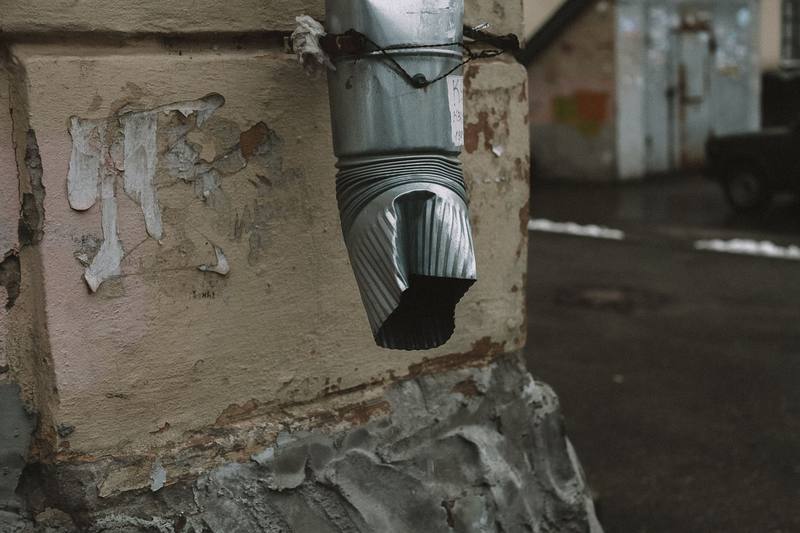
Drainage Repair
Clogged, crushed or silted drains located, flushed, repaired or replaced.
Learn more
Basement Waterproofing
We find out where water is getting into your basement, then fix it with the smallest job that will actually work.
Learn more
Wet Basement Repair
We find out how water is getting into your basement and fix the cause, not just the stain on the wall.
Learn more
Sump Pump Installation
Pits, pumps and discharge lines for basements and crawl spaces that take on water.
Learn more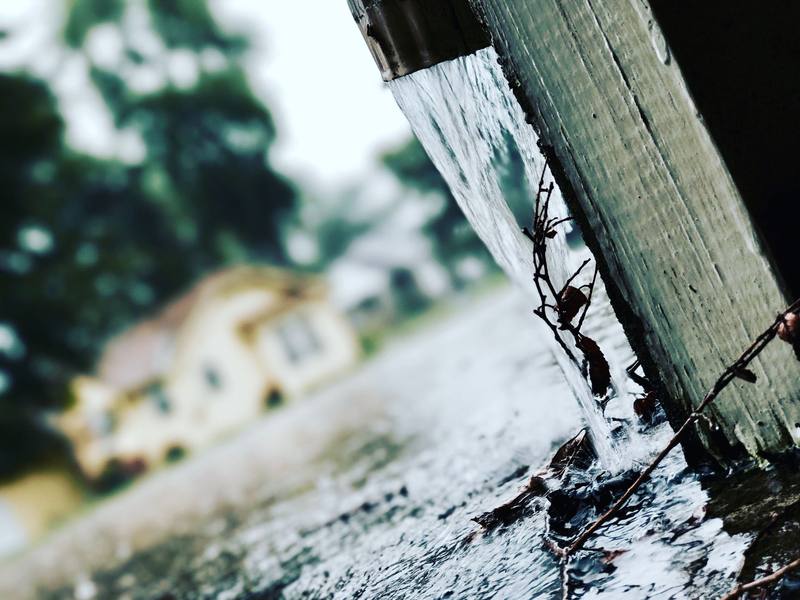
Downspout Drainage
Downspouts piped underground to daylight or a dry well so roof water stops pooling at the foundation.
Learn more
Grading and Regrading
Soil reshaped so water runs away from the house and off the lawn instead of sitting.
Learn more
Emergency Flooded Basement Drainage
We pump out standing water, find out how it got in, and fix what let it in.
Learn more
Get Started
Tell us where the water is collecting
Call (717) 010-0007 or send a request. Tell us what you are seeing and when it happens, and we will set up a time to look.