How do I keep roof water away from my foundation?
Keep the gutters clear, carry every downspout well away from the house, and make sure the soil next to the walls slopes down and away so the water cannot run back.
Most water that ends up in a basement started on the roof. In Lancaster, PA, a good share of wet basements and damp walls trace back to one gutter, one downspout or one low patch of soil. Here is how to find which one, and what to do about it.
The plain answer
Roof water reaches a foundation in three ways. It spills over the gutters, it comes out of a downspout right beside the wall, or it lands on soil that slopes back toward the house. Fix those three and most of the problem goes away.
Start at the top. Gutters need to be clean, pitched toward the downspouts and big enough for the roof area they serve. Next, every downspout should carry water well away from the foundation, onto ground that falls away from the house or into a buried pipe that runs to a safe outlet. Last, the first stretch of soil around the house should slope down and away from the wall, not toward it.
None of this is complicated. The catch is that each piece depends on the others. A long downspout extension does little if it empties onto a flat spot that drains straight back to the wall. Good grading does little if an overflowing gutter sends a sheet of water over it in every storm. Most wet basements we see have at least two of these working against each other.
What changes the answer on a real property
Soil matters first. A lot of the ground around Lancaster is heavy and slow to drain. Water that sits in clay next to a wall has time to find every crack and joint, so on heavy soil the water has to be moved farther from the house than it would on sandy ground.
What lies under the soil matters too. Much of Lancaster County sits on limestone, and water dumped in the same spot year after year can slowly wash soil down into gaps in the rock. That is one more reason not to let a downspout empty against the house, and a good reason to spread or carry roof water to a sensible place.
The age of the house changes things. Older homes in the city and in towns around the county often have stone or block foundations with many joints, and downspouts that run into old clay pipes nobody has looked at in decades. Those pipes crack, fill with roots or separate at the joints, and then they leak right beside the foundation. Newer homes in subdivisions usually have poured walls, but the soil backfilled against them often settles over the first several years and leaves a low trough along the house.
The layout of the lot is the last piece. A driveway, patio or walkway that pitches toward the house will send roof water straight back to it. A neighbour's yard that sits higher than yours adds its own water. A house on a flat lot may have no natural low point to drain to, which changes what is possible.
What you can check yourself
The best check costs nothing. Put on a raincoat during a steady rain and walk all the way around the house. Look up at the gutters and see whether water is spilling over the edge, especially at inside corners and above doors. Look at where each downspout ends and follow the water. Note any puddles that form against the wall or within a few steps of it.
On a dry day, look at the soil along the foundation. If it is level or dips toward the wall, or if you can see a gap where the soil has sunk, that is a spot water collects. Mulch beds built up higher than the lawn, and plastic edging that holds water in, cause the same problem.
If you have downspouts that go into the ground, put a garden hose into the top of one and let it run. Then find where the water is meant to come out. If it never appears, or the ground near the house goes soft, the buried pipe is blocked or broken.
Finally, look inside. Damp patches, a white powdery crust on the wall, or a musty smell in the corner of the basement just below a downspout all point to roof water getting in from that side.
When it needs a professional
Some fixes are simple homeowner jobs: cleaning gutters, adding a downspout extension, or raking a little soil against the wall to restore the slope. Call someone when those steps are done and the water still comes in, or when the fix needs more than a wheelbarrow.
A buried downspout pipe that is crushed or full of roots needs to be dug up and replaced. A lot that is flat, or that drains toward the house from several sides, usually needs soil moved and reshaped over a wider area, and sometimes a buried line to carry water to an outlet. Patios and walkways that slope the wrong way may need to be lifted or worked around.
It is also worth having someone look when the water is showing up in the middle of the basement floor or along the joint where the floor meets the wall. Water that appears there is often coming up from groundwater rather than down from the roof, and that is a different problem with different repairs. The same goes for foundation cracks that are getting wider.
How this connects to the work we do
Two of our services are aimed squarely at this problem. With Downspout Drainage, we connect downspouts to solid buried pipe and run it to a point where the water can safely leave, such as a spot downhill in the yard or a pop-up outlet in the lawn. With Grading and Regrading, we reshape the soil around the house so it falls away from the foundation, and we fix low areas that hold water.
A visit starts with a walk around the property. We look at the gutters and downspouts, the slope of the ground, the hard surfaces and the basement walls, and where it helps we run water through the downspouts to see where it goes. Then we explain what we found and what we would do, starting with the simplest fix that will work. If roof water is not the main cause, we say so.
If you are in Lancaster or one of the nearby towns and water keeps reaching your foundation, you can request a drainage visit and we will come and take a look.
Related questions
Far enough that the water lands on ground that slopes away and does not run back toward the wall. On heavy, slow-draining soil like much of the ground around Lancaster, that usually means farther than the short splash blocks many homes come with. If there is no good spot nearby, a buried pipe can carry the water to one.
Sometimes, on a lot that slopes away well and has sandy soil. On flat lots or heavy soil, a splash block often just moves the puddle a short way from the wall. If you still see water collecting near the house after rain, the downspout needs to go farther.
Rules on where roof water can go vary by municipality, and some older homes have connections that are no longer allowed. Check with your borough or township before tying into anything. In many yards the simpler choice is to send the water to a safe spot on your own property.
They can help if clogged gutters are the cause, because they reduce the overflow that dumps water at the foundation. They do nothing about where the downspouts empty or how the ground slopes. Treat them as one piece of the fix, not the whole fix.
Roof water usually shows up on one wall, often below a downspout or an overflowing gutter, and soon after rain starts. Groundwater tends to appear at the floor joint or through the floor, and may keep coming for a while after the rain stops. If you are not sure, a visit can sort out which one you are dealing with.
Services
How we can help in Lancaster
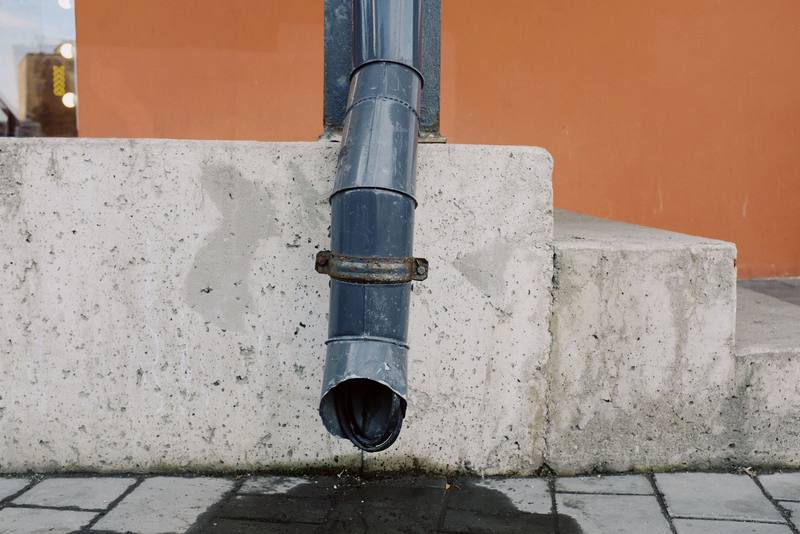
French Drain Installation
Perforated pipe in a gravel trench, wrapped in fabric, graded to carry groundwater away from the house.
Learn more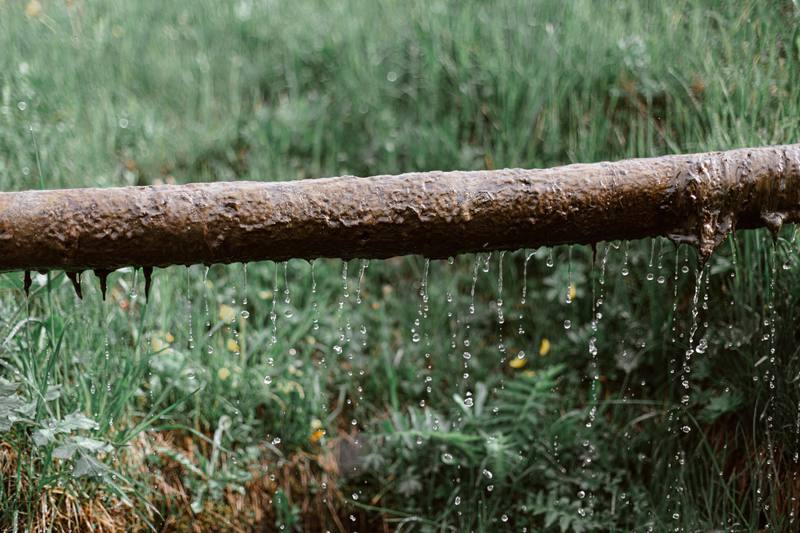
Yard Drainage
Standing water in lawns and beds solved with catch basins, surface drains and regrading.
Learn more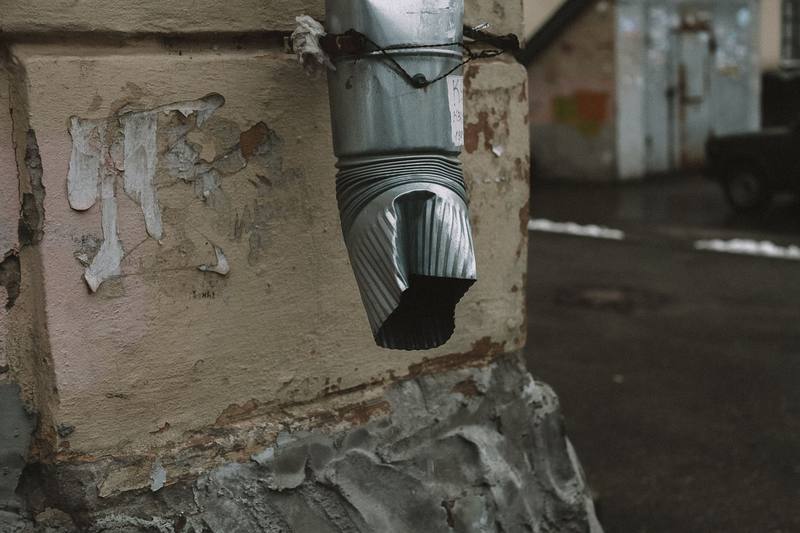
Drainage Repair
Clogged, crushed or silted drains located, flushed, repaired or replaced.
Learn more
Basement Waterproofing
We find out where water is getting into your basement, then fix it with the smallest job that will actually work.
Learn more
Wet Basement Repair
We find out how water is getting into your basement and fix the cause, not just the stain on the wall.
Learn more
Sump Pump Installation
Pits, pumps and discharge lines for basements and crawl spaces that take on water.
Learn more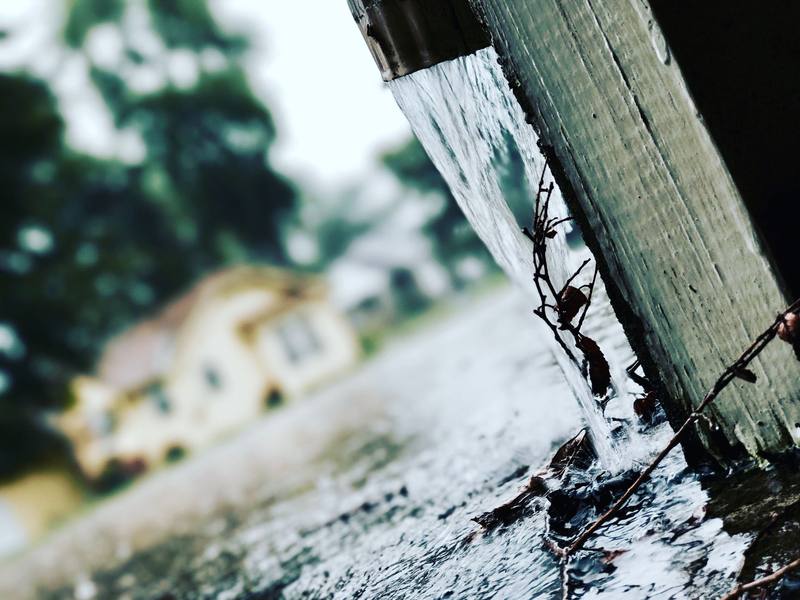
Downspout Drainage
Downspouts piped underground to daylight or a dry well so roof water stops pooling at the foundation.
Learn more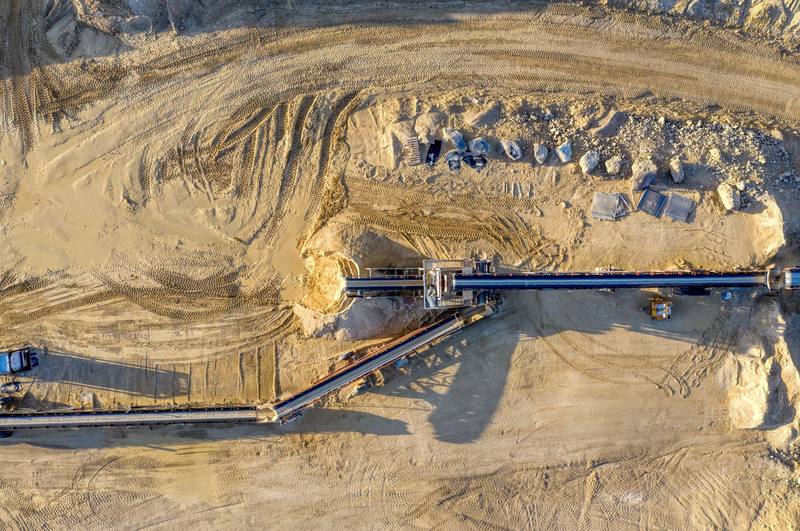
Grading and Regrading
Soil reshaped so water runs away from the house and off the lawn instead of sitting.
Learn more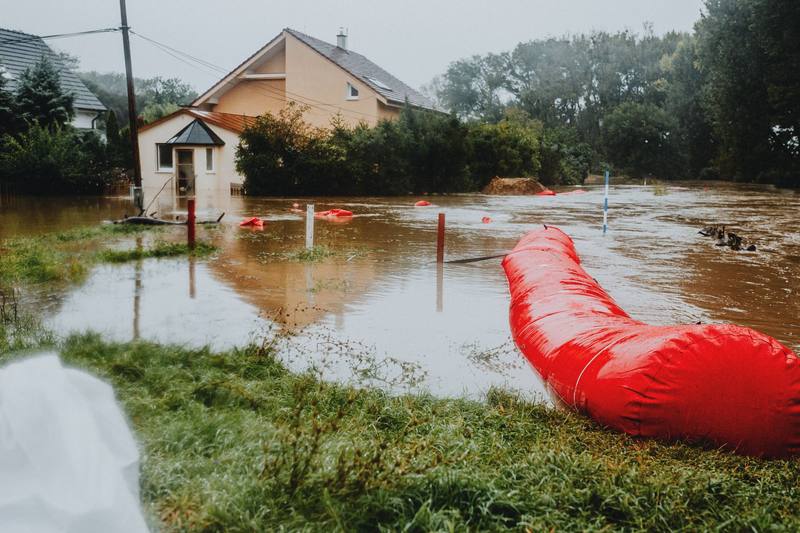
Emergency Flooded Basement Drainage
We pump out standing water, find out how it got in, and fix what let it in.
Learn more
Get Started
Tell us where the water is collecting
Call (717) 010-0007 or send a request. Tell us what you are seeing and when it happens, and we will set up a time to look.