How to waterproof a basement wall from the inside?
You cannot fully stop water from the inside, but you can seal minor dampness with crack repair and a masonry coating, and you can control real leaks with an interior drain that feeds a sump pump.
Most basement water starts outside the house, so work done from the inside is about control rather than a perfect seal. That is still often the right approach, especially where digging along the outside of the wall is not practical. Here is how it works on the kinds of houses we see around Lancaster, PA.
The short answer
You cannot completely waterproof a basement wall from the inside, because the water is coming from the outside. From the inside you can do two things. You can slow small amounts of moisture moving through the wall, and you can catch the water that does get through and send it somewhere useful. For a wall that is only damp, sealing the cracks and applying a masonry waterproofing coating may be enough. For a wall that actually leaks, the reliable inside method is a drain along the base of the wall. It carries water to a sump pit, and a pump lifts the water out of the house.
Most people start with paint-on sealers. They work on a wall that sweats or feels cool and damp. They do not hold back water that is being pushed through. When the soil outside is saturated, it presses water into the block or concrete. A coating on the inside face will blister and peel, or the water will simply come out lower down, where the wall meets the floor.
What changes the answer on a real house
Wall type matters most. Poured concrete walls usually leak at specific spots: a vertical crack, a tie rod hole or a pipe penetration. Those can often be sealed from inside by injecting resin into the crack. Concrete block walls are hollow. Water fills the cores, then seeps out along the bottom course or through the mortar joints, so patching one spot rarely ends the problem. Stone foundations are common in older houses around Lancaster, Columbia and Lititz. They are laid in lime mortar and were never meant to be dry. Sealing the inside face of a stone wall can trap moisture in the mortar and make it break down faster, so with stone the goal is usually to manage the water, not stop it.
The ground around the house matters too. Much of Lancaster County has heavy clay soil over limestone. Clay holds water against a foundation long after a storm ends. Each Pennsylvania winter, freezing and thawing opens small cracks a little wider. A house at the bottom of a slope, or one where the lawn has settled toward the foundation, gets far more water at the wall than a house on a rise.
Where the water shows up tells you a lot. Water at the joint where the floor meets the wall points to pressure under and beside the slab. Water partway up the wall points to a crack or a mortar joint. Water near the top often comes from a window well, a low spot in the yard or a downspout emptying right beside the house.
What you can check yourself
Start with a simple test. Tape a square of aluminum foil to the damp part of the wall, seal all four edges and leave it for a day or two. If the room side of the foil is wet, the moisture is condensation from humid basement air, and a dehumidifier will help more than any wall treatment. If the side against the wall is wet, water is coming through the wall.
Then look at the walls with a flashlight. White, chalky powder on block or concrete is efflorescence, the mineral residue water leaves behind when it passes through masonry and evaporates. Bubbling or flaking paint, dark staining along the bottom course, rust on tie rods and a musty smell all show you where water is getting in.
Go outside during or just after a heavy rain. Watch where the gutters overflow and where the downspouts empty. Check whether the soil slopes toward the house or away from it. A lot of damp basement walls dry out once the downspouts are extended away from the foundation and the low spots next to the wall are built up. These are simple fixes and worth doing first, because every interior method works better when less water reaches the wall.
When it needs a professional
Call someone if water comes in as a trickle or a puddle rather than a damp patch, if it appears after every heavy rain, or if the floor gets wet along a whole wall. Those signs point to water pressure that a coating will not handle.
The same goes for any wall that is changing shape: a long horizontal crack in a block wall, stair-step cracks through the mortar joints, or a wall that bows inward. That is a structural question first and a water question second, and someone should look at it before the wall is covered up.
It is also worth getting advice before you finish a basement. Drywall and carpet over a wall that seeps a little twice a year will lead to mold. Opening up a finished wall to fix it later is far more work than dealing with the water while the wall is still bare.
How this fits with our services
Our Basement Waterproofing work in and around Lancaster is mostly the interior approach described above. We cut a channel in the floor along the inside of the wall and lay perforated pipe in gravel. Then we fit a drainage membrane against the wall, so water that comes through the block runs down behind it into the pipe instead of across the floor. On block walls we usually drill small weep holes in the bottom course so the hollow cores can drain. Then we patch the floor with new concrete.
That drain needs an outlet, and that is where Sump Pump Installation comes in. The pipe runs to a lined pit, and a pump pushes the water through a discharge line that ends well away from the foundation, so it does not soak back in and reach the wall again.
A visit starts with a look around, not a sales pitch. We walk the outside of the house and check the gutters, downspouts and grading. Then we look at each basement wall and ask you when and where you see water. Sometimes the right answer is outside work and a dehumidifier. When it is not, we explain what we would do, why we would do it and what it will not fix.
Related questions
They work on walls that are damp from slow moisture or light seepage. They do not hold back water that is pushed through the wall when the soil outside is saturated. On a wall that actively leaks, the coating usually blisters or peels, and the water comes out lower down instead.
Not in the sense of sealing it. Stone walls are laid in lime mortar that needs to dry out, and coating the inside can trap moisture and wear out the mortar faster. The usual approach is to keep water away outside and catch whatever comes through with an interior drain.
Exterior work stops water before it reaches the wall, but it means digging down along the foundation, which is hard next to driveways, decks, porches and plantings. Interior work does not stop water from entering the wall. It controls the water once it is inside, with much less disruption to the yard. Which one is right depends on the wall, the lot and how much water you are dealing with.
If you put in an interior drain, the water has to go somewhere. In most basements that means a sump pit and a pump. A gravity outlet is sometimes possible on a sloped lot, but that is the exception.
It will if the dampness is condensation from humid air, which the foil test can show you. It will not stop water coming through the wall, though it can help keep the air drier while you fix the source.
Services
How we can help in Lancaster
French Drain Installation
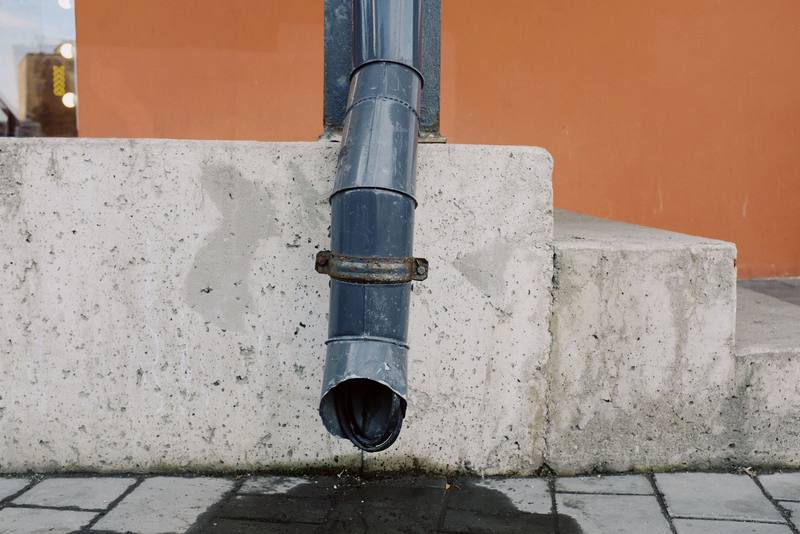
Perforated pipe in a gravel trench, wrapped in fabric, graded to carry groundwater away from the house.
Learn more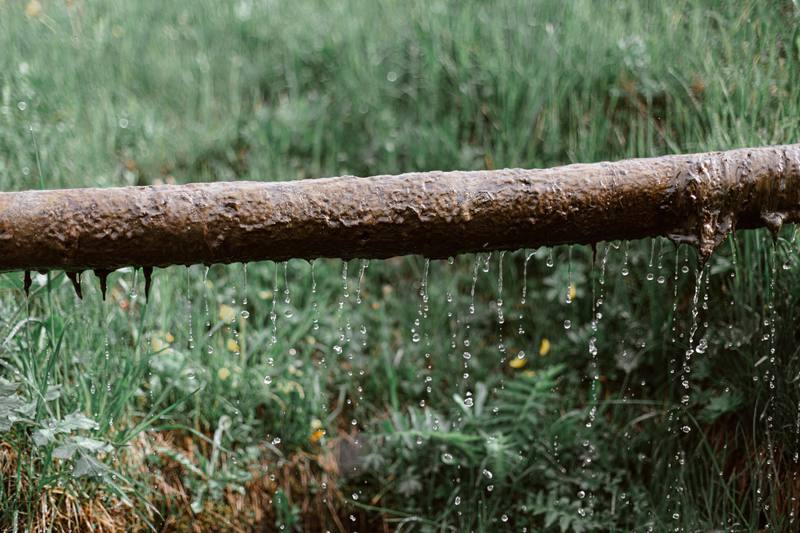
Yard Drainage
Standing water in lawns and beds solved with catch basins, surface drains and regrading.
Learn more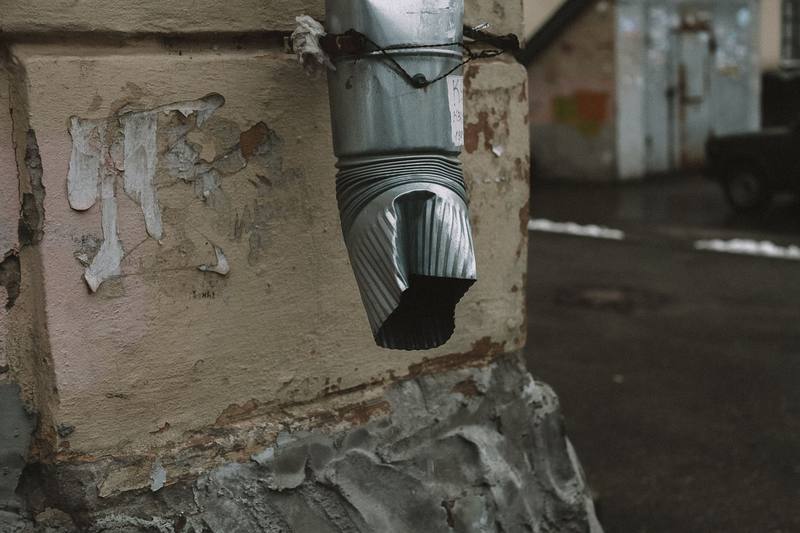
Drainage Repair
Clogged, crushed or silted drains located, flushed, repaired or replaced.
Learn more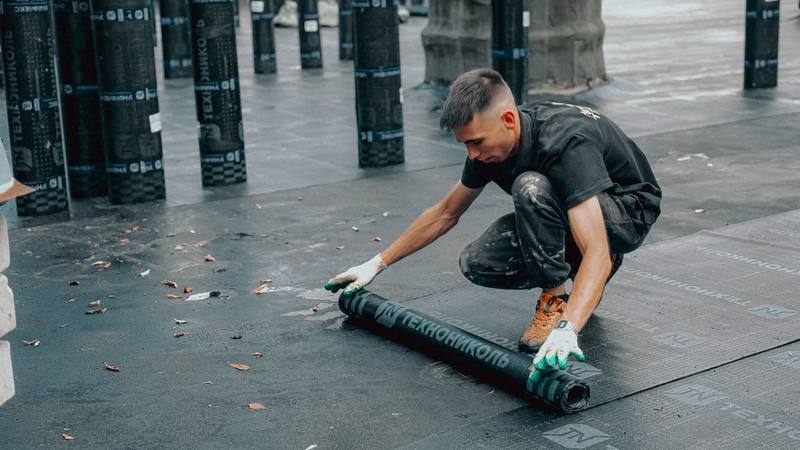
Basement Waterproofing
We find out where water is getting into your basement, then fix it with the smallest job that will actually work.
Learn more
Wet Basement Repair
We find out how water is getting into your basement and fix the cause, not just the stain on the wall.
Learn more
Sump Pump Installation
Pits, pumps and discharge lines for basements and crawl spaces that take on water.
Learn more
Downspout Drainage
Downspouts piped underground to daylight or a dry well so roof water stops pooling at the foundation.
Learn more
Grading and Regrading
Soil reshaped so water runs away from the house and off the lawn instead of sitting.
Learn more
Emergency Flooded Basement Drainage
We pump out standing water, find out how it got in, and fix what let it in.
Learn more
Get Started
Tell us where the water is collecting
Call (717) 010-0007 or send a request. Tell us what you are seeing and when it happens, and we will set up a time to look.