Interior or exterior French drain for a wet basement?
Most wet basements are better served by an interior drain tied to a sump pump, but an exterior drain is the better fix when water pushes through the walls and the ground outside can be opened up.
Both kinds of French drain do the same basic job: they give water an easier path than coming into your basement. Where that path sits, inside along the footing or outside against the foundation, changes how much work is involved, how much mess it makes, and what kind of water it stops. Here is how we think about it on Lancaster homes.
The plain answer
If water shows up where the floor meets the wall, or seeps up through cracks in the slab, an interior drain is usually the right call. We cut a channel around the inside edge of the basement floor, lay perforated pipe in washed stone beside the footing, and carry the water to a sump pit, where a pump sends it outside. It catches water at the point where it actually gets in, it does not mean digging up your landscaping, and it can be done in any season.
An exterior drain is dug along the outside of the foundation, down near the footing, with pipe and stone that carry water away to daylight or a dry well. It stops water before it reaches the wall. That matters when the walls themselves are leaking, when you want to seal the outside face of the foundation at the same time, or when the basement is finished and you would rather not open the floor. The trade-off is a much bigger dig, and it gets harder where porches, driveways, walkways or a neighbour's wall sit close to the house.
Neither one is better across the board. The right choice depends on where the water comes in and what is around the house.
What changes the answer on a real property
Where the water enters. A damp line along the floor edge after rain points to water building up under the slab and around the footing. Wet streaks running down the face of a block or stone wall point to water pushing through the wall. The first favours an inside drain. The second often favours an outside one, or both.
The foundation itself. Many older homes around Lancaster, Columbia and Manheim sit on fieldstone or rubble foundations. Those walls were never built to be fully dry, and digging beside them can loosen stone. An interior drain is often the gentler choice there. Poured concrete and block walls from later decades hold up better to an exterior dig.
What is next to the walls. Row homes and twins with a shared wall, houses with a driveway tight to the foundation, and homes with mature plantings or a deck all make an exterior drain harder. A detached house with open lawn on the wet side is a much easier exterior job.
The soil and the ground underneath. A lot of Lancaster County has heavy clay soil that holds water against the foundation, and parts of the county sit on limestone, where water can move underground in ways that are hard to predict. Clay is a reason to give water an easy path. Limestone is a reason not to send collected water into a dry well near the house without looking at the site first.
Where the water can go. An exterior drain needs somewhere to discharge by gravity, which means ground that slopes away from the house. On a flat lot there may be nowhere for it to go, and the drain ends up feeding a pump anyway.
What you can check yourself
Before anyone digs anything, a few things are worth looking at on your own.
Walk around the outside of the house in a steady rain. Watch where the gutters overflow and where the downspouts drop their water. A downspout that empties right beside the foundation is one of the most common causes of a wet basement corner, and it is a simple thing to fix.
Look at the grade. The soil should fall away from the house for the first several feet. Over the years, mulch beds, settled backfill and patio slabs often end up sloping toward the wall instead.
Inside, note where and when the water shows up. Is it at the floor joint, on the wall face, through a crack, or around a pipe that passes through the wall? Does it come during heavy rain, during snow melt, or all the time? Take dated photos. That record helps us more than any description.
Check for a sump pit. Many basements in the Lancaster area already have one, sometimes with no working pump, or with a pump that discharges just outside the wall so the water runs straight back in.
When it needs a professional
Call someone when water comes in during most heavy rains, when you see new cracks or a wall bowing inward, when a musty smell will not clear, or when the fixes outside the house have not helped. Bowing or cracked walls need to be looked at before any drain goes in, because a drain will not fix a structural problem.
A drainage visit should start with looking, not selling. We walk the outside, check gutters, downspouts and grade, note the foundation type, and then go inside to see where the water marks are. If the problem is mostly how water is handled outside, which can be a smaller job, we will tell you. If a French drain is warranted, we will tell you which side of the wall makes sense and why. If a house needs both, we will say so and explain which one to do first.
How this fits with the work we do
Most jobs that reach us as a wet basement turn out to be one or two of a few things. Sometimes moving downspout water away and correcting the grade dries the basement out without any drain at all. When water is coming up at the floor edge, Wet Basement Repair usually means an interior French drain paired with Sump Pump Installation, so the collected water has somewhere to go. When the walls are leaking and the outside can be reached, an exterior drain can be the better fix.
If you are in Lancaster or one of the towns around it and are not sure which you need, request a visit. We would rather tell you the simple fix will work than sell you the bigger one.
Related questions
Usually not. An interior drain collects water below the basement floor, and since that sits below the outside ground, the water has to be lifted out. On a few hillside lots the pipe can run out to daylight by gravity, but most Lancaster basements need a sump pit and pump.
Sometimes, but not reliably. It lowers the water against the walls, but water rising under the slab from below the footing can still come up. If your problem is at the floor, an interior drain is the more direct fix.
The channel along the wall is filled with new concrete once the pipe is set, so the floor is usable again. If the basement is finished, the bottom of the walls and any flooring at the edge have to come up for the work. That is worth planning for before you choose.
For some basements, yes. If water only shows up at one corner after heavy rain and a downspout empties right there, we start by moving that water away and correcting the grade. If water still comes in after that, a drain is the next step.
Services
How we can help in Lancaster
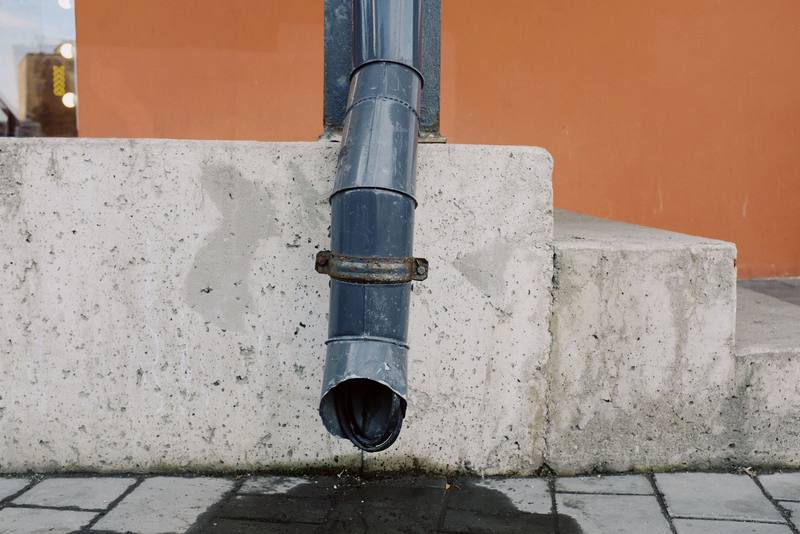
French Drain Installation
Perforated pipe in a gravel trench, wrapped in fabric, graded to carry groundwater away from the house.
Learn more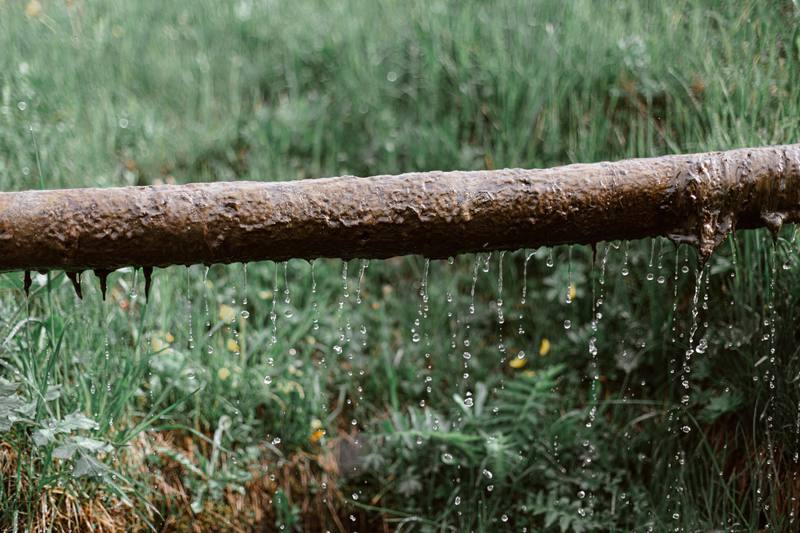
Yard Drainage
Standing water in lawns and beds solved with catch basins, surface drains and regrading.
Learn more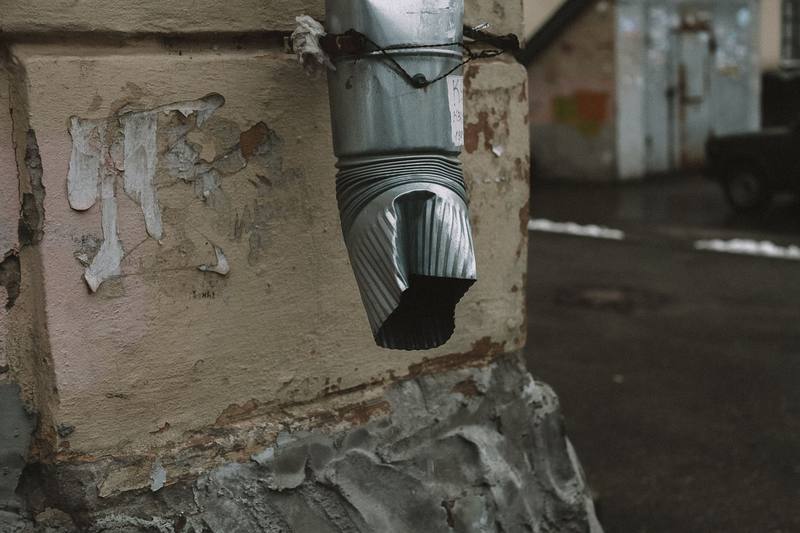
Drainage Repair
Clogged, crushed or silted drains located, flushed, repaired or replaced.
Learn more
Basement Waterproofing
We find out where water is getting into your basement, then fix it with the smallest job that will actually work.
Learn more
Wet Basement Repair
We find out how water is getting into your basement and fix the cause, not just the stain on the wall.
Learn more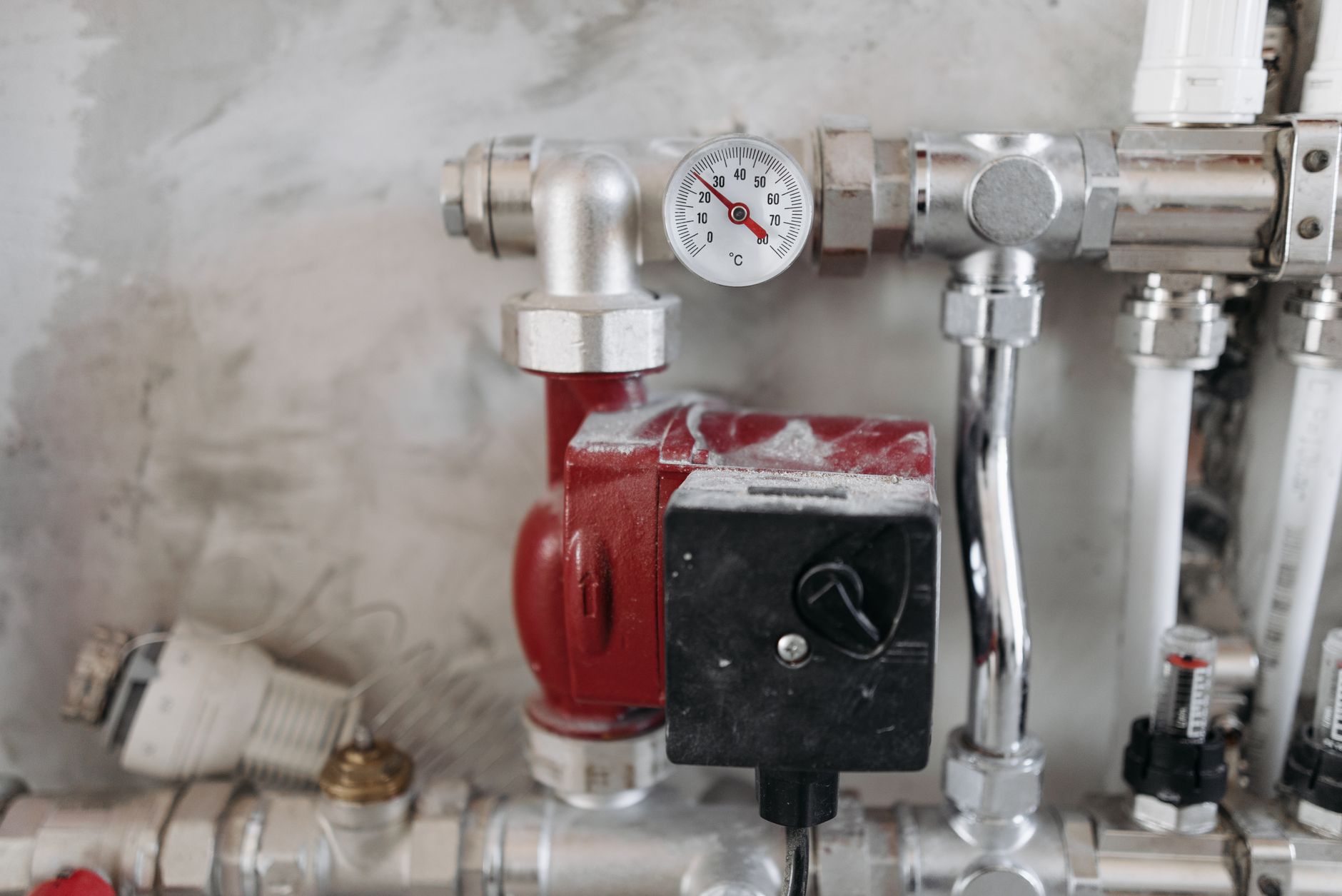
Sump Pump Installation
Pits, pumps and discharge lines for basements and crawl spaces that take on water.
Learn more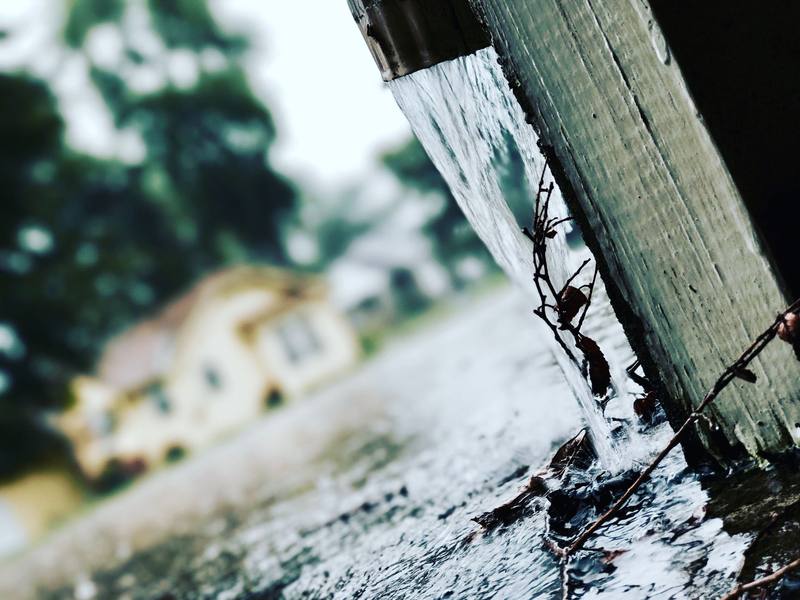
Downspout Drainage
Downspouts piped underground to daylight or a dry well so roof water stops pooling at the foundation.
Learn more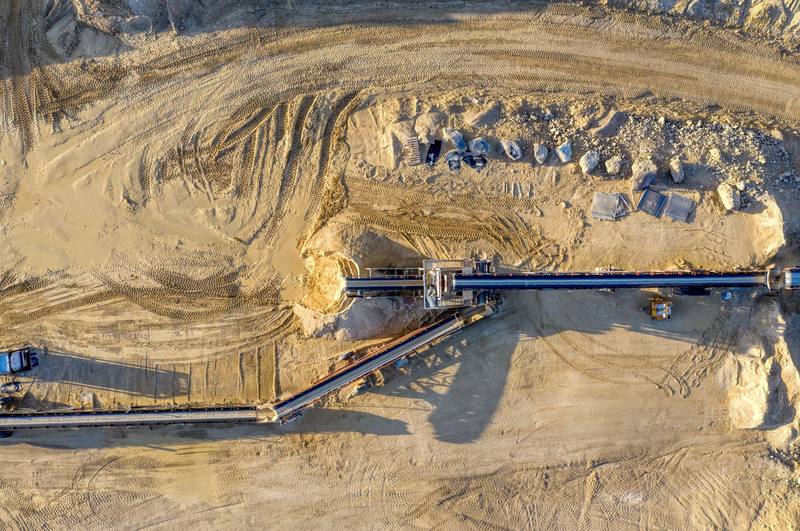
Grading and Regrading
Soil reshaped so water runs away from the house and off the lawn instead of sitting.
Learn more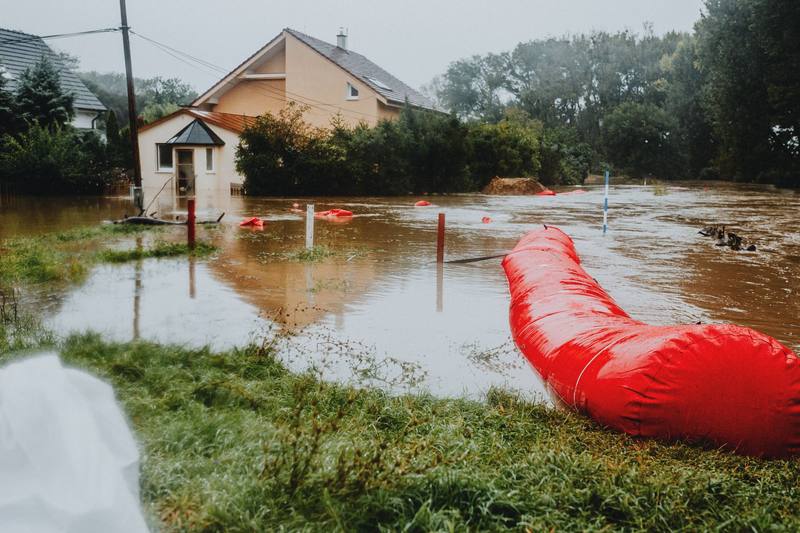
Emergency Flooded Basement Drainage
We pump out standing water, find out how it got in, and fix what let it in.
Learn more
Get Started
Tell us where the water is collecting
Call (717) 010-0007 or send a request. Tell us what you are seeing and when it happens, and we will set up a time to look.