Is waterproofing your basement a good investment?
Usually yes, if your basement takes in water and the fix matches the cause, but it is a poor investment when money goes to the wrong fix.
Most Lancaster homeowners ask this after a wet spring or a musty smell they cannot get rid of. The honest answer depends on where the water comes from, how often it shows up, and what you want to use the space for. Here is how we would think it through if it were our own house.
The short answer
Waterproofing is usually worth doing when water actually gets into your basement and the work you pay for stops that water at its source. You get two things back. The space becomes usable again, and you stop the slow damage that water does to floor joists, drywall, carpet, stored boxes and the air in the rest of the house.
It is a poor use of money when the problem is smaller than the fix. A basement that gets damp twice a year because a gutter overflows does not need the same work as one that takes in water through the floor every March. Before deciding whether waterproofing is worth it, find out which kind of basement you have.
What changes the answer on a real property
The foundation itself matters. Many older homes in Lancaster and the surrounding boroughs sit on fieldstone or brick foundations. These were built to let some moisture pass through, and no method will make them as dry as a new poured wall. Drainage inside the wall and a sump can keep water off the floor, but you should expect a dry basement, not a perfect one.
Mid-century houses often have concrete block walls. Block is hollow, and the cores can fill with water and seep at the bottom course for days after a storm. Newer poured concrete walls tend to leak at specific points: a crack, a pipe opening, or the small rod holes left from the forms. Those can often be fixed one spot at a time, without treating the whole basement.
Soil and setting matter too. Much of Lancaster County has heavy soil that holds water against the foundation after a soaking rain. Houses near a creek or at the bottom of a slope see more of it. Freeze and thaw through the winter opens small gaps that rain then finds in spring.
Then there is what you plan to do with the space. If you want to finish the basement as a family room or bedroom, keeping water out is worth much more, because water ruins finished walls and flooring quickly. If the basement only holds a furnace and some shelves, a smaller fix may be enough. If you plan to sell, a basement with water marks and a dehumidifier running all day tends to raise questions from buyers and inspectors.
What you can check yourself
Start by watching your basement during and after a hard rain. Where the water appears tells you a lot. Water along the joint where the wall meets the floor usually means ground water pushing up from below. Water running down the wall from higher up usually means surface water, often from a gutter, a downspout or soil that slopes toward the house. Water at a window well means the well is filling and has nowhere to drain.
Notice the timing as well. Water that shows up within an hour of a storm points to the roof and the yard. Water that appears a day or two later, or every spring thaw, points to ground water.
To tell seepage from condensation, tape a square of aluminium foil tightly to a damp wall and leave it for two days. If the room side of the foil is wet, the moisture is condensation from humid air, and a dehumidifier may be the whole answer. If the side against the wall is wet, water is coming through the wall.
Walk around the outside too. Check that gutters are clear, that each downspout empties several feet from the foundation, and that the soil slopes away from the house rather than toward it. White crusty deposits on the walls, rust on the bottom of appliances and a musty smell are all signs that moisture has been there longer than you thought.
When it needs a professional
Call someone in when water comes in at the floor joint after most heavy rains, when there is standing water, or when the problem keeps coming back after you have fixed the gutters and the grading. The same goes for a sump pump that runs constantly, cycles on and off every minute, or has failed before.
A horizontal crack in a block wall, or a wall that bows inward, is a different problem. That can be structural movement, and it should be looked at for that reason before anyone talks about waterproofing.
When we visit a basement in Lancaster, we look outside first: the roof edge, the gutters, where the downspouts end and how the ground slopes. Then we look at the walls, the floor, any cracks and the sump pit if there is one. We tell you what we think is causing the water and which fix matches it. Sometimes that is a larger job. Sometimes it is a downspout extension.
How it fits with the work we do
We nearly always start outside, because it is less work and it often solves the problem. Downspout Drainage, which means carrying roof water away from the house in a buried pipe or a longer extension, fixes a surprising number of wet basements on its own. Correcting the slope of the soil next to the foundation helps for the same reason.
When water is coming up from below, Basement Waterproofing is the right tool. On most homes here, that means a drain channel inside the basement along the base of the wall, which collects water before it reaches the floor and carries it to a sump pump that sends it outside. It works well on fieldstone and block walls, where sealing from the inside alone does not hold up.
The point is to match the work to the cause. A good contractor should be able to explain, in plain terms, why the fix they suggest addresses the water you have.
A fair way to decide
Waterproofing is a good investment when three things are true. You have a real, repeating water problem. The cause has been found. And the work proposed addresses that cause. If you are not sure about the first two, spend a few rainy days watching and checking before you spend money. If you are sure, fixing it sooner protects the rest of the house and keeps a small problem from becoming a large one.
Related questions
Both can work, and the right choice depends on the house. Exterior work means digging down to the footing, which is a bigger job and hard where there are porches, driveways or neighbours close by. Interior drainage with a sump pump handles ground water well on most Lancaster foundations, including older stone and block walls.
Sealer paint can help with light dampness on a poured concrete wall. It does not stop water pushing through under pressure, and on block or stone walls it often peels or blisters. If water is coming in at the floor joint, paint will not fix it.
It helps if the smell comes from water getting in, because the walls and floor can finally dry out. If the moisture is condensation from humid summer air, a dehumidifier is usually what fixes the smell. The foil test on the wall will tell you which one you are dealing with.
Yes, if there is any sign of water coming in. Finishing over a wet wall traps moisture behind drywall and insulation, where it causes mould and rot you cannot see. Watch the space through at least one wet season before you build.
Often not. Occasional water after a heavy storm is usually a gutter, downspout or grading problem, and fixing those outside first costs less effort. If water keeps showing up after those are sorted, then it is worth looking at drainage inside the basement.
Services
How we can help in Lancaster
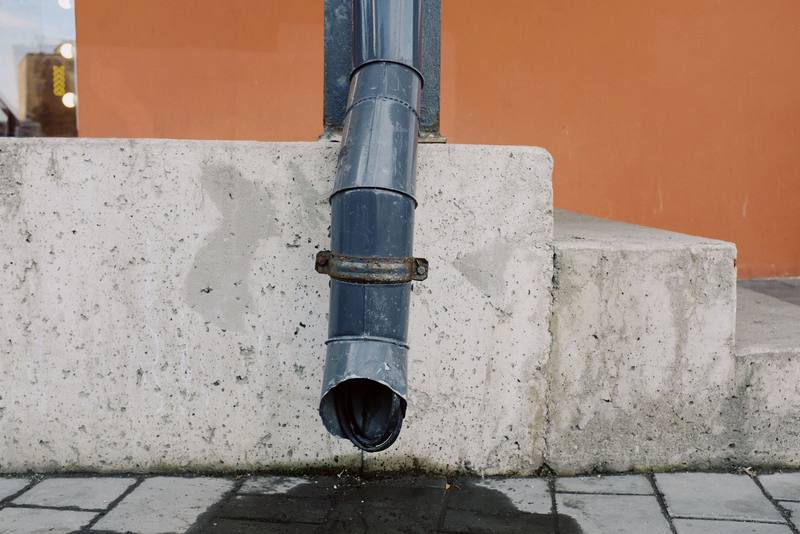
French Drain Installation
Perforated pipe in a gravel trench, wrapped in fabric, graded to carry groundwater away from the house.
Learn more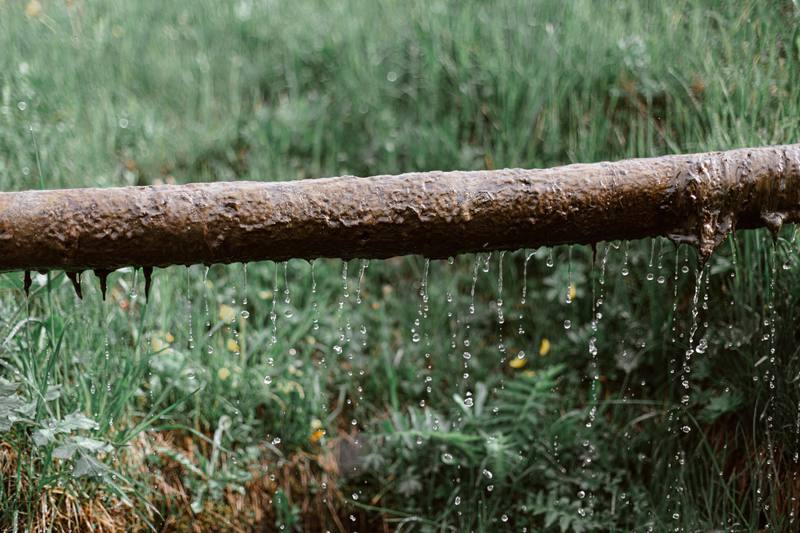
Yard Drainage
Standing water in lawns and beds solved with catch basins, surface drains and regrading.
Learn more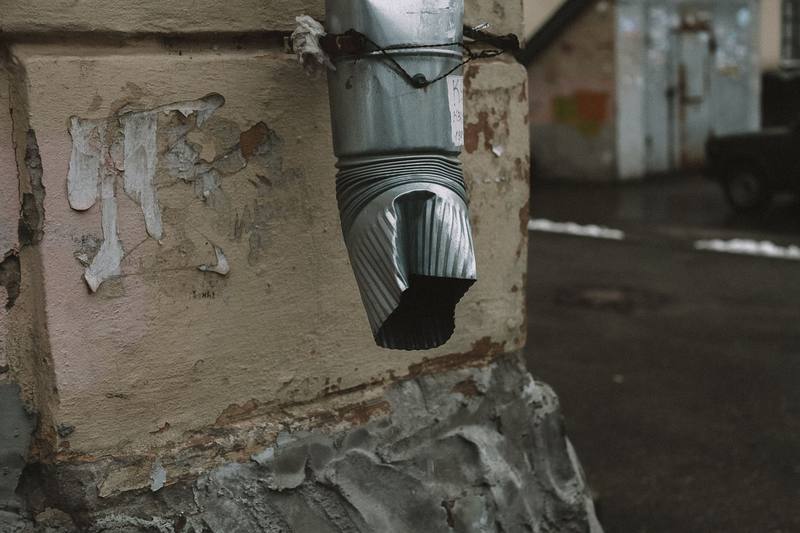
Drainage Repair
Clogged, crushed or silted drains located, flushed, repaired or replaced.
Learn more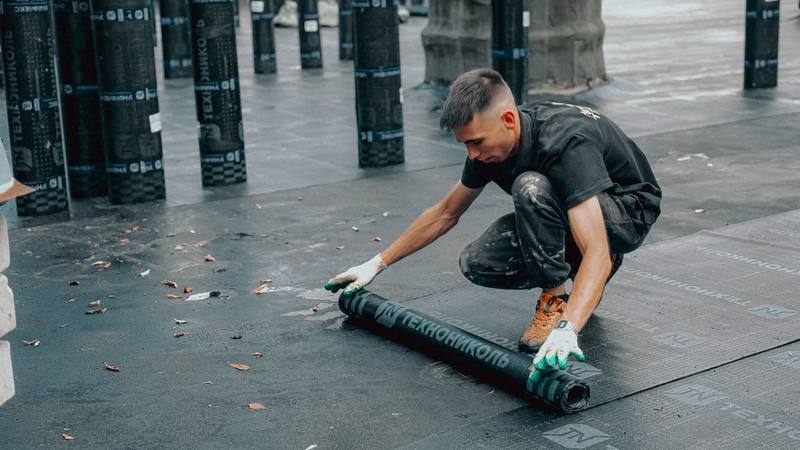
Basement Waterproofing
We find out where water is getting into your basement, then fix it with the smallest job that will actually work.
Learn more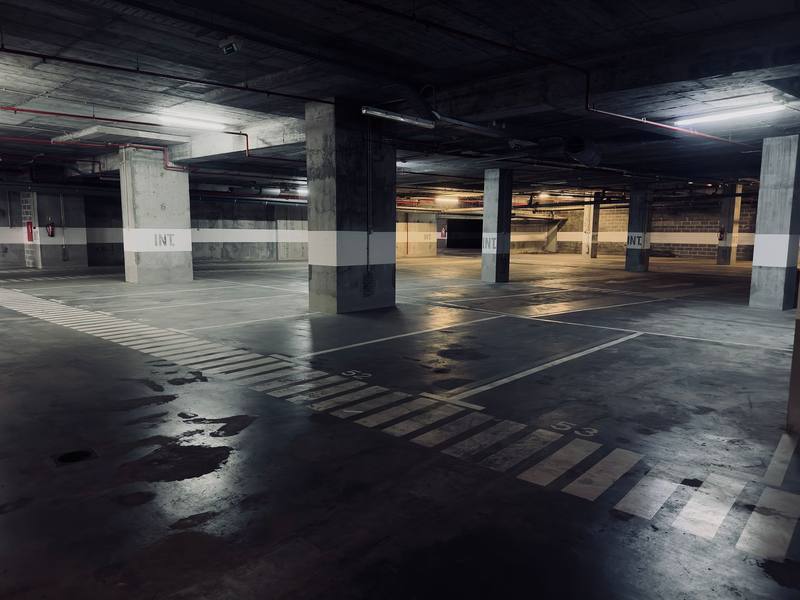
Wet Basement Repair
We find out how water is getting into your basement and fix the cause, not just the stain on the wall.
Learn more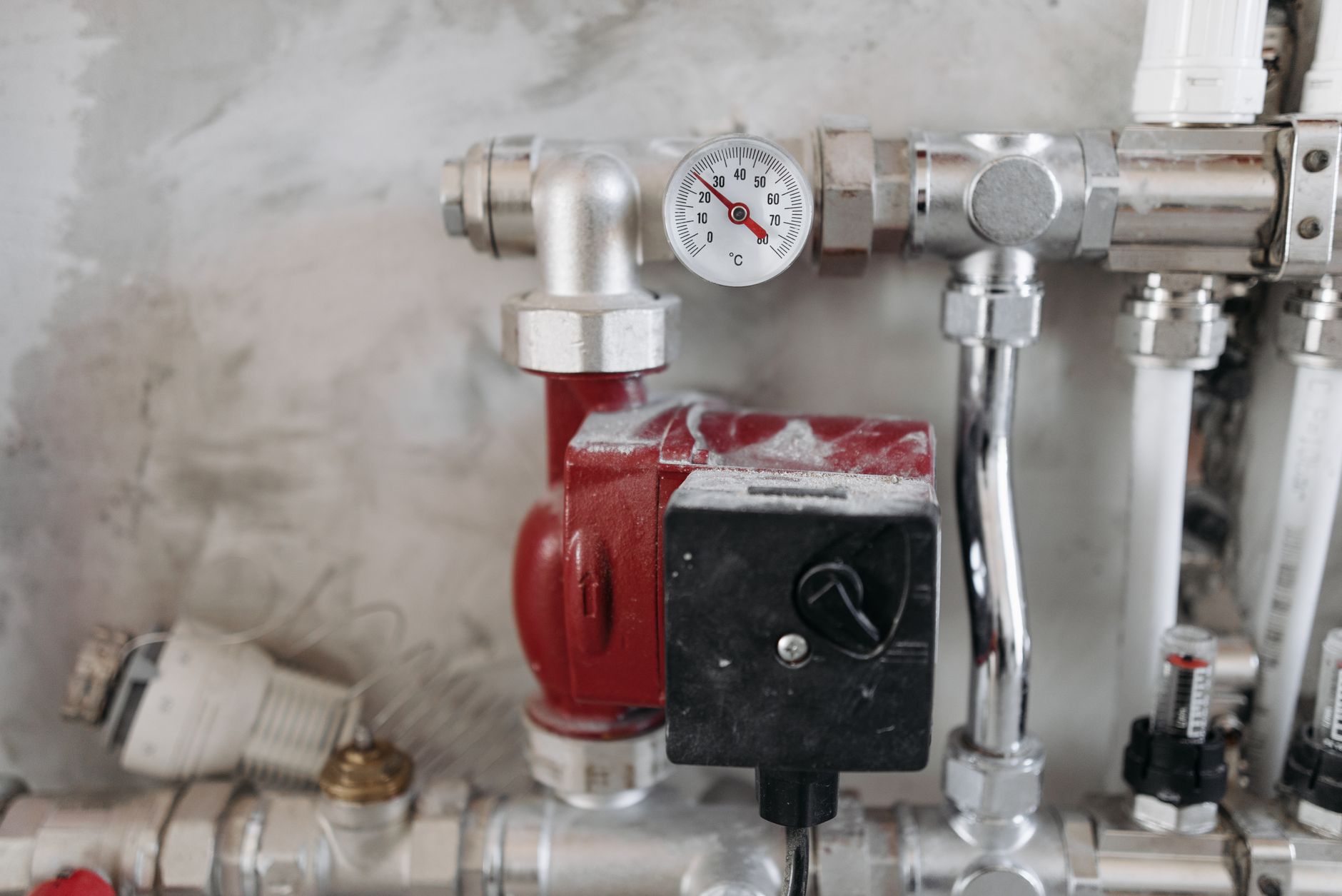
Sump Pump Installation
Pits, pumps and discharge lines for basements and crawl spaces that take on water.
Learn more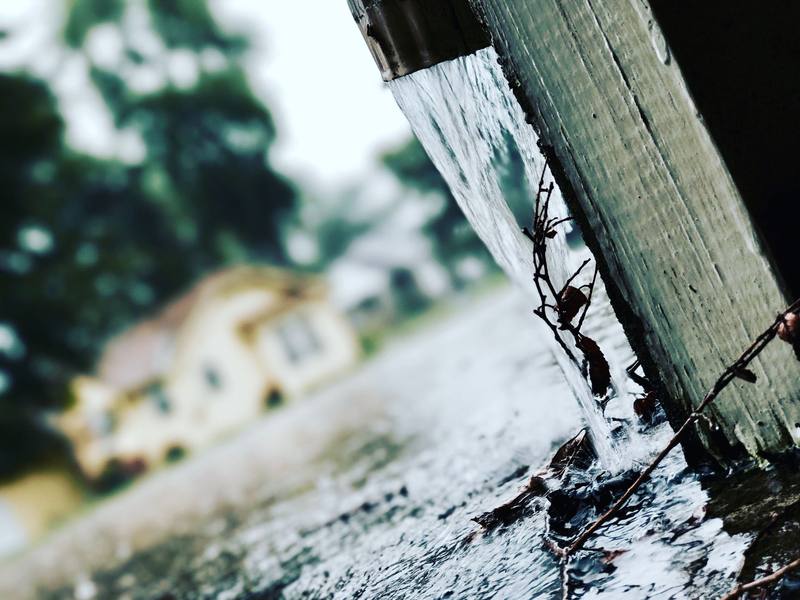
Downspout Drainage
Downspouts piped underground to daylight or a dry well so roof water stops pooling at the foundation.
Learn more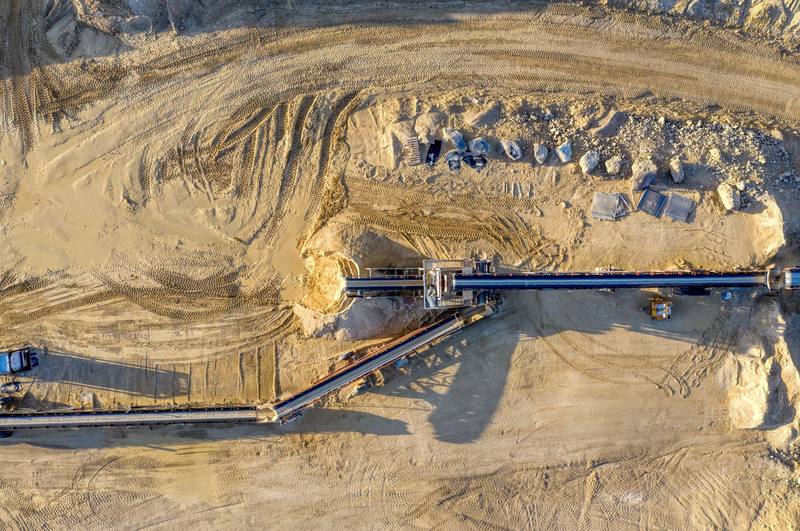
Grading and Regrading
Soil reshaped so water runs away from the house and off the lawn instead of sitting.
Learn more
Emergency Flooded Basement Drainage
We pump out standing water, find out how it got in, and fix what let it in.
Learn more
Get Started
Tell us where the water is collecting
Call (717) 010-0007 or send a request. Tell us what you are seeing and when it happens, and we will set up a time to look.