What are the downsides of using a French drain?
A French drain can clog over time, needs somewhere downhill to send the water, means digging up part of your yard, and it will not fix a problem that is really caused by poor grading or overflowing gutters.
A French drain is a good tool, but it is not the right answer for every wet yard or damp basement. Before you dig a trench across your lawn in Lancaster, it helps to know where these drains fall short and what to check first.
The plain answer
A French drain is a trench filled with gravel, usually with a perforated pipe at the bottom, that collects water below the surface and carries it away. It works well when the water is moving through the soil and there is a lower spot to send it. The downsides come from that same design.
First, it has to go somewhere. A drain with no outlet, or with an outlet that sits too high, just fills up and holds water underground. Second, it clogs. Fine silt, clay and roots work their way into the gravel and the pipe over the years, and because the whole thing is buried, you usually do not notice until the wet spot comes back. Third, installation is disruptive. You are digging a trench through lawn, garden beds and sometimes a driveway edge, and you have to work around buried utility lines. Fourth, it only handles one kind of water. If the real problem is a downspout dumping next to the foundation or a yard that slopes toward the house, a French drain is treating the symptom.
What changes the answer on a real property
The same drain can be a good choice on one lot and a poor one next door. A few things make the biggest difference.
Soil type matters a lot. Water moves easily through sandy or loamy soil, so a trench can collect it. Heavy clay holds water and lets it move slowly, and the fine particles can coat the filter fabric and gravel over time. Parts of Lancaster County have dense clay subsoil, and on those lots the drain may need more gravel, better fabric, or a different approach altogether.
The lay of the land matters too. A drain needs steady fall from one end to the other. On a flat lot with no low point, there may be nowhere for the water to exit except a pump, which adds a moving part and a power dependency. You also cannot simply aim the outlet at a neighbour's yard. Moving water onto someone else's property can create a dispute and does not really solve anything.
The ground under Lancaster has its own quirks. Much of the area sits on limestone, and limestone ground can develop voids and sinkholes. Concentrating a lot of water in one spot over limestone is something to think about carefully, and it is one reason the outlet location deserves as much thought as the trench itself.
Finally, the house matters. Many homes in Lancaster and the surrounding towns have older stone or block foundations. An interior French drain along a basement wall means breaking up the edge of the concrete floor, and it usually ties into a sump pit. That works, but it is a bigger job than a trench in the yard, and the sump pump becomes something you rely on during every heavy storm.
What you can check yourself
Before deciding a French drain is the answer, spend a rainy afternoon outside with an umbrella. Watch where the water actually goes.
Look at your gutters and downspouts first. If water spills over the gutter edge or comes out of a downspout right at the foundation, that is often the whole problem, and it is a much smaller fix. Check whether the soil next to the house slopes toward the walls. Over the years, soil settles and mulch beds build up, and a yard that once drained away can end up pitching back toward the basement.
Note whether the wet area is surface water that pools and runs, or ground that stays soggy for days after the rain stops. Surface runoff is usually a grading or downspout issue. Ground that stays saturated is closer to what a French drain is built for.
If you already have a French drain, find the outlet. It should be open, not buried under mulch or crushed by a mower. If it stays dry during a hard rain while the yard is wet, the drain may be clogged or may have lost its fall. In the basement, look for where water shows up: at the joint between wall and floor, through cracks, or as dampness across the whole wall. Each points to a different cause.
When it needs a professional
Some parts of this are fine to judge on your own. Others are worth having someone look at.
Call for help if water is coming into the basement, if you see new cracks in the foundation, or if a drain that used to work has stopped. Digging a trench of the right depth with consistent fall is harder than it looks, and a drain built with a low spot in the middle will hold water instead of moving it. Anyone digging needs utility lines marked first, which in Pennsylvania means calling PA One Call before you break ground.
A visit from us usually involves walking the property, looking at the gutters, the grade and the low spots, checking the basement if water is getting in, and talking through what we think is causing it. Sometimes the answer is a French drain. Sometimes it is something smaller. We would rather tell you that than dig a trench you do not need.
How this fits with other drainage work
A French drain often works best as one part of a plan rather than the whole plan. On many Lancaster properties we look at Grading and Regrading first, because getting the soil to slope away from the house removes a lot of water before it ever reaches the ground near the foundation. Pairing that with sensible downspout extensions can take care of problems that people assume need a buried drain.
When the ground really does stay wet, or water is pushing up against a basement wall, French Drain Installation is the right tool, and we plan the route, the depth and the outlet around your soil and the lay of your lot. If the drain has to run inside the basement, we explain how it connects to a sump pit and what that means for you during storms. The goal is a fix that keeps working years from now, not just through the next rain.
Related questions
It depends mostly on the soil and how it was built. A drain with good filter fabric, clean gravel and a working outlet can last many years, while one in heavy clay with no fabric may clog much sooner. Keeping the outlet clear and keeping tree roots away from the trench both help.
Sometimes. If the drain was built with a cleanout access point, the pipe can be flushed or snaked to clear silt and roots. If there is no access, or the gravel itself is clogged, the section usually has to be dug up and rebuilt.
No. Grading changes the slope of the ground so surface water runs away from the house. A French drain collects water that is already in the soil. Many properties need the grading fixed first, and some need both.
It can, if the water is coming from saturated soil around the foundation. If the water is coming from a downspout at the wall or soil sloping toward the house, those need fixing first. An interior drain tied to a sump pump is a common approach when water is entering at the floor joint.
Rules vary by township and borough across Lancaster County, and they can depend on where the water discharges. It is worth checking with your local municipality before work starts. Any digging also requires utility lines to be marked through PA One Call.
Services
How we can help in Lancaster
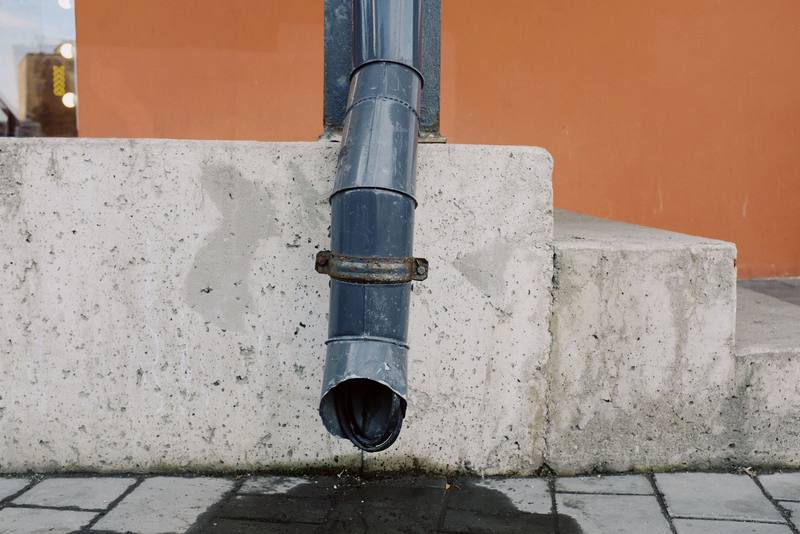
French Drain Installation
Perforated pipe in a gravel trench, wrapped in fabric, graded to carry groundwater away from the house.
Learn more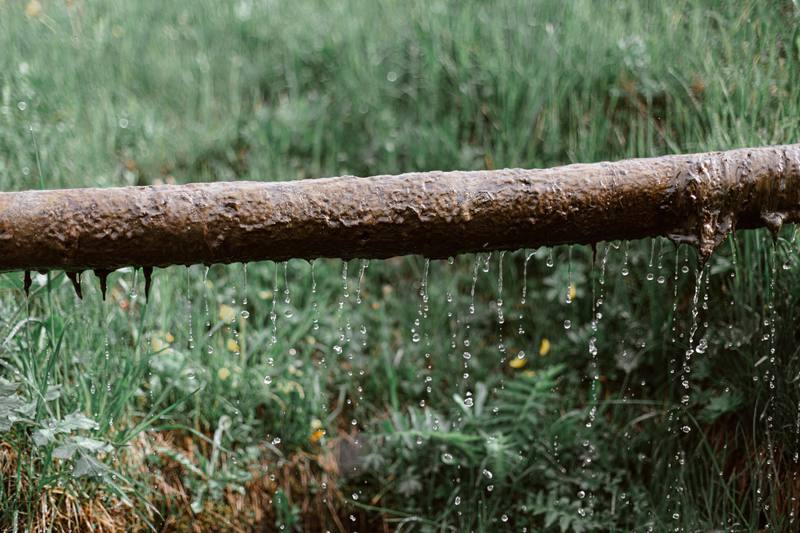
Yard Drainage
Standing water in lawns and beds solved with catch basins, surface drains and regrading.
Learn more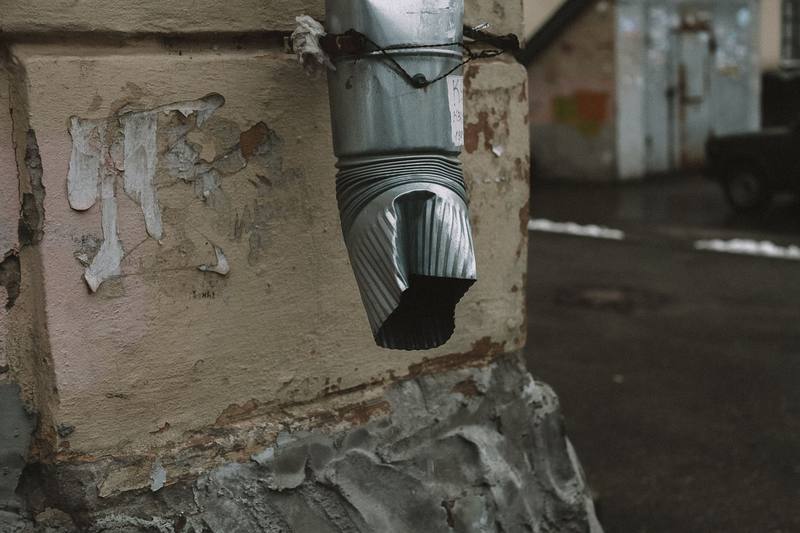
Drainage Repair
Clogged, crushed or silted drains located, flushed, repaired or replaced.
Learn more
Basement Waterproofing
We find out where water is getting into your basement, then fix it with the smallest job that will actually work.
Learn more
Wet Basement Repair
We find out how water is getting into your basement and fix the cause, not just the stain on the wall.
Learn more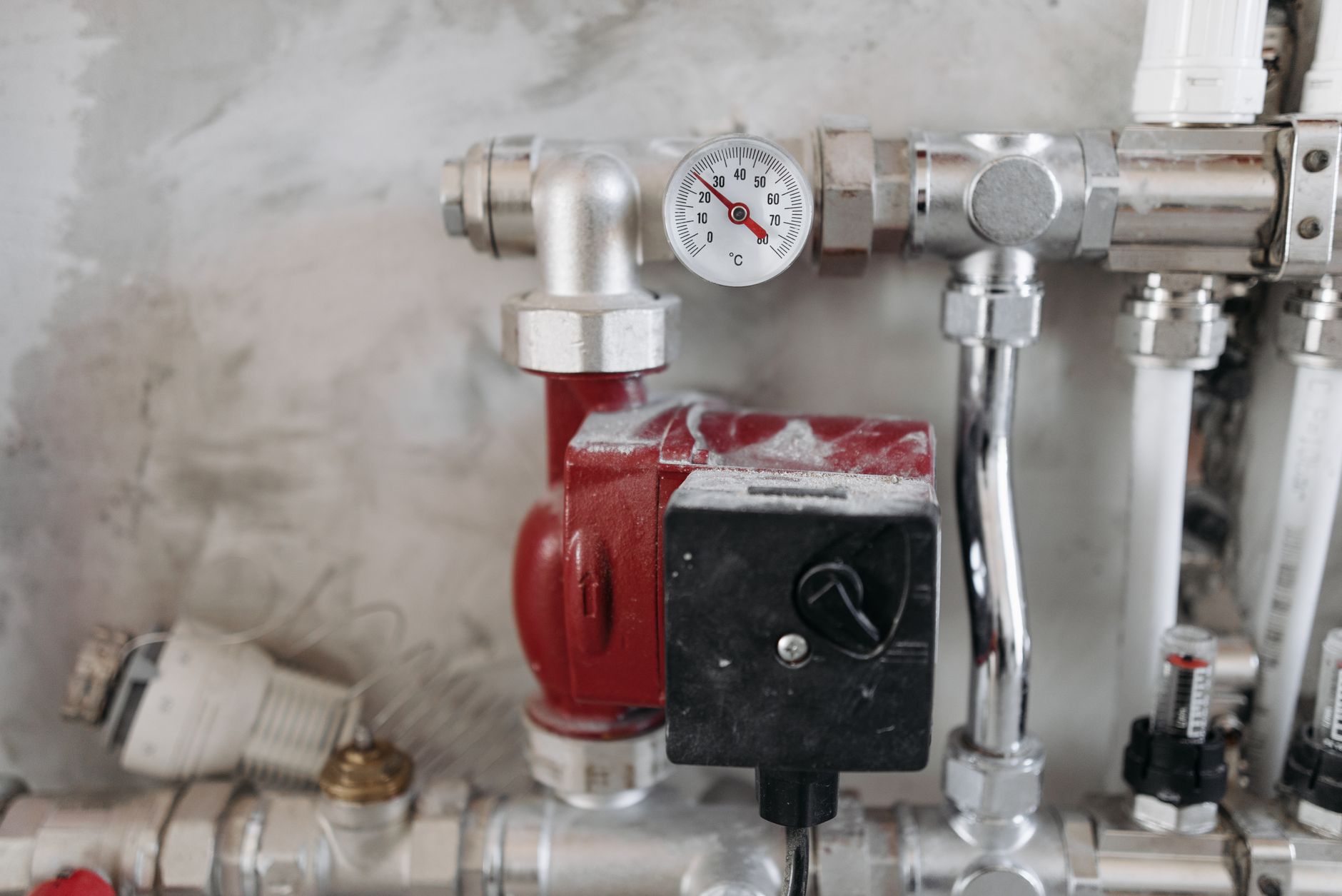
Sump Pump Installation
Pits, pumps and discharge lines for basements and crawl spaces that take on water.
Learn more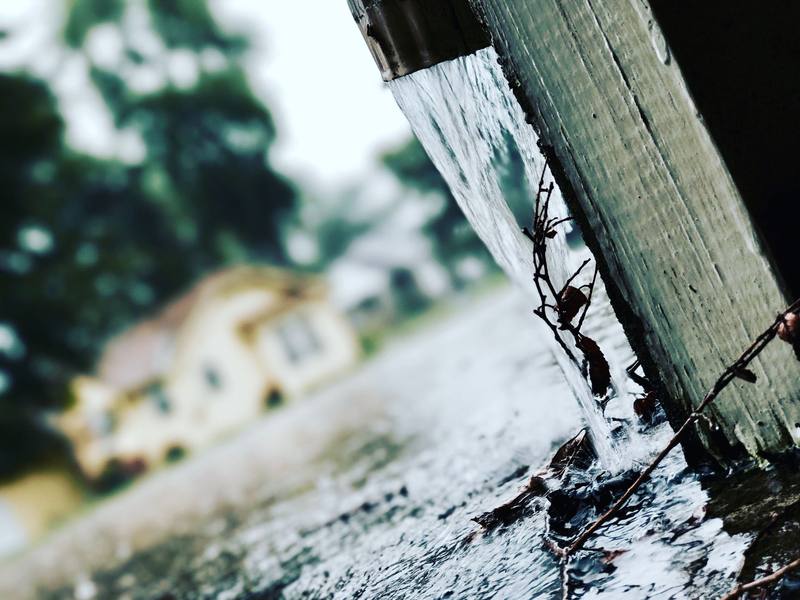
Downspout Drainage
Downspouts piped underground to daylight or a dry well so roof water stops pooling at the foundation.
Learn more
Grading and Regrading
Soil reshaped so water runs away from the house and off the lawn instead of sitting.
Learn more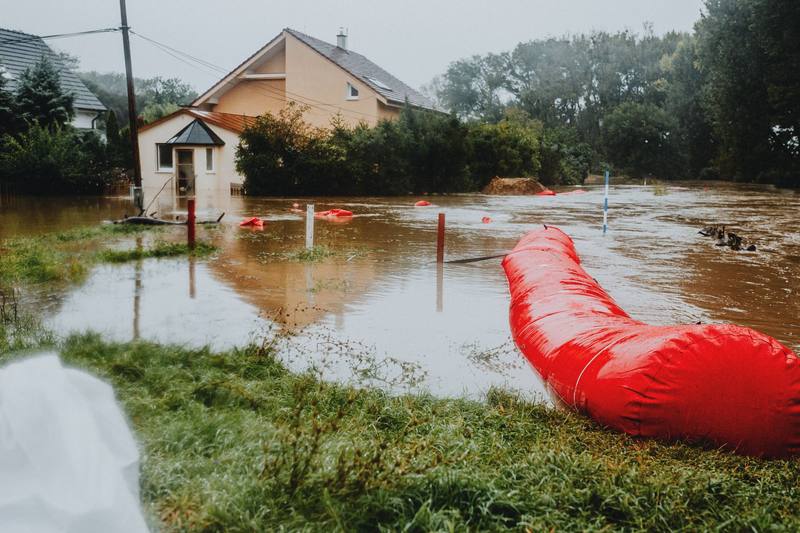
Emergency Flooded Basement Drainage
We pump out standing water, find out how it got in, and fix what let it in.
Learn more
Get Started
Tell us where the water is collecting
Call (717) 010-0007 or send a request. Tell us what you are seeing and when it happens, and we will set up a time to look.