Where should a French drain discharge?
A French drain should discharge at a point lower than the drain itself, well away from your house and your neighbour's, usually to a daylight outlet on a slope, a dry well, or a permitted storm connection.
A French drain only collects water. Where that water ends up decides whether the drain works or just moves your problem somewhere else. Here is how we think about the outlet on a typical Lancaster, PA property.
The plain answer
Water in a French drain moves by gravity alone. The pipe has to fall steadily from where it collects water to where it lets it go, and the outlet has to sit lower than every part of the trench. If it does not, water sits in the pipe, silt settles, and the drain slowly clogs.
The best outlet is usually a daylight outlet. The pipe runs out to a lower part of the yard and ends in open air, often with a grate or a pop-up emitter and a bed of stone so the water spreads out instead of cutting a gully. It is simple, easy to inspect and has no moving parts.
When the yard has no low spot, the usual choices are a dry well, which is a buried chamber or stone pit that lets water soak into the ground, or a sump basin with a pump that lifts water to a place where it can drain. Some properties can also tie into a storm drain or curb outlet, but only where the township or borough allows it.
Wherever it goes, the outlet should be well clear of your foundation and should not send water onto a neighbour's lot, a sidewalk or a septic field.
What changes the answer on a real property
On paper every French drain daylights downhill. On a real lot a few things get in the way.
Slope is the first one. A yard that looks flat often still has a gentle fall to one corner, and a laser level or a string line will find it. If the only low point is at the street or a back fence line, the pipe may need to run a long way to reach it, and that run has to keep its fall the whole distance.
Soil is the second. Clay holds water and drains slowly, so a dry well in heavy clay can fill during a long rain and stop taking water. Sandier or gravelly ground takes water much faster. A simple percolation test, digging a hole, filling it and timing how fast it empties, tells you a lot before anyone commits to a dry well.
The third is what is already on the property. Septic tanks and drain fields, wells, buried gas and electric lines, tree roots and patios all limit where a pipe can go. A drain outlet should never discharge near a septic field, because the extra water can saturate it.
The last is how much water you are moving. A short drain along one wet patch of lawn sends a small amount to its outlet. A drain that also takes roof water from the downspouts sends far more, and the outlet has to be sized for that.
Lancaster County ground and local rules
Much of Lancaster County sits on limestone. Limestone ground can have voids underneath, and concentrated water soaking into one spot can, over time, help open a sinkhole. That makes us careful about dry wells in some parts of the county, and it is one reason we prefer spreading water across a wide area rather than dumping it all into one hole near the house.
The housing stock matters too. Older farmhouses and town homes around Lancaster, Lititz and Columbia often have stone or block foundations that let water in more easily, so getting the discharge far from the walls counts for more. Rowhomes and tight city lots often have no low spot of their own at all, which pushes the answer toward a pump or a permitted storm connection.
Rules differ between townships and boroughs. Many do not allow drainage water into the sanitary sewer, and some require a permit to tie into a storm line or to discharge near a property line. It is worth a call to your municipal office before any digging starts.
What you can check yourself
You can learn most of what matters with a walk around the yard during a steady rain.
Watch where surface water already goes. That path is usually the natural direction for an outlet. Note any spot where water pools and stays, because an outlet placed there will not drain.
If you already have a French drain, find its outlet. Look for a grate, a pop-up emitter or an open pipe end at the low side of the yard. After rain it should be running or damp. If it is buried in mulch, crushed by a mower or packed with soil, the drain behind it cannot empty, and clearing the end is often the cheapest fix there is.
Check that downspouts are not emptying right next to the trench, and that the discharge is not running back toward the house or across a walkway where it can freeze in winter. Finally, look over the fence line. If the outlet sends water toward a neighbour's yard, that needs to change.
When it needs a professional
Some situations are worth having someone look at in person. If the outlet is buried and you cannot find it, if water backs up out of the drain instead of flowing through it, or if the yard has no fall anywhere, the answer usually involves digging, a camera inspection or a pump.
A visit from us starts with walking the property, checking slope with a level, looking at the existing outlet if there is one, and asking about the basement and any past water. We will tell you whether the current outlet can be cleared or extended, or whether it needs to move, and we will say plainly if the problem is somewhere other than the drain. If a permit or a call to the township is needed, we will point that out before work begins.
How this fits with the work we do
Most outlet problems we see come up during French Drain Installation or Drainage Repair. On a new drain, we plan the outlet first and work backward to the trench, so the fall is right from the start. On an older drain that has stopped working, the fix is often at the outlet end: a crushed pipe, a buried emitter or an outlet that was set too high.
If water is reaching your basement, the outlet question usually ties into downspouts and the grade around the house as well. We look at all of it together, because a well-placed outlet does little good if the roof water is still landing against the foundation.
Related questions
Sometimes, through a curb outlet or a storm drain connection, but only where your township or borough allows it. Many require a permit, and some do not allow it at all. Check with the municipal office before running a pipe to the street.
Usually not to the sanitary sewer, which carries household waste to treatment. Most municipalities do not allow groundwater or roof water in it. A storm sewer is a different system and may be allowed with permission.
Far enough that the water cannot find its way back to the foundation, and at a point clearly lower than the house. The right distance depends on the slope and soil of your yard. On a small city lot, a pump or a storm connection may be the only practical way to get it far enough.
It can work in well-draining soil, but heavy clay fills up during long rains, and limestone areas carry some sinkhole risk when water is concentrated in one spot. A percolation test and a look at the local ground come before any decision. Spreading water across a wide area is often the safer choice.
The outlet may be blocked, the pipe may be crushed or clogged with silt, or the drain may not be collecting much water in the first place. Start by clearing the outlet end. If it stays dry during heavy rain, the pipe likely needs a camera inspection.
Services
How we can help in Lancaster
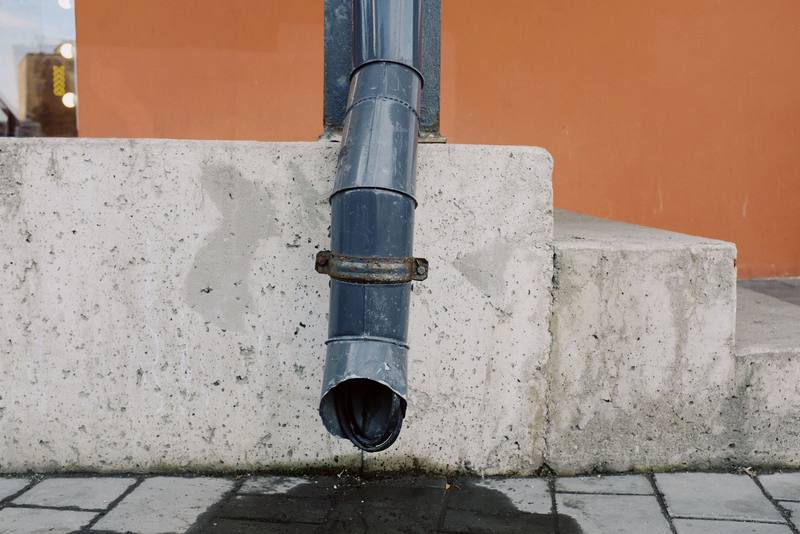
French Drain Installation
Perforated pipe in a gravel trench, wrapped in fabric, graded to carry groundwater away from the house.
Learn more
Yard Drainage
Standing water in lawns and beds solved with catch basins, surface drains and regrading.
Learn more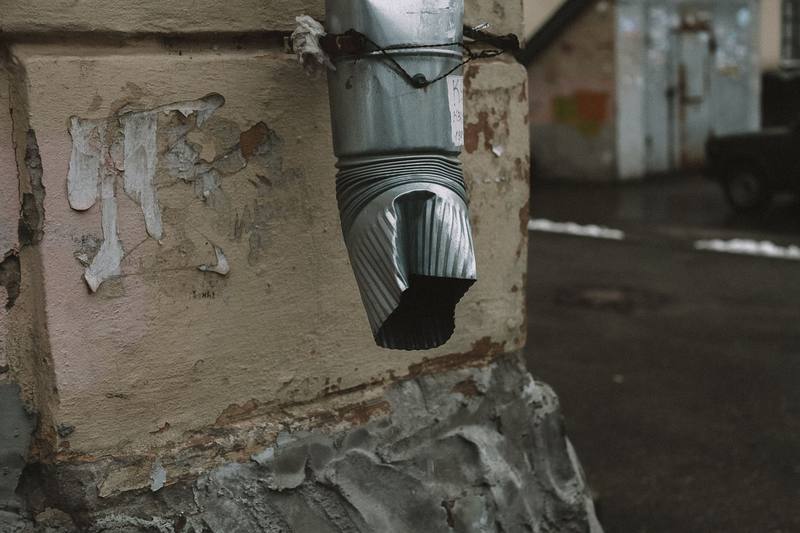
Drainage Repair
Clogged, crushed or silted drains located, flushed, repaired or replaced.
Learn more
Basement Waterproofing
We find out where water is getting into your basement, then fix it with the smallest job that will actually work.
Learn more
Wet Basement Repair
We find out how water is getting into your basement and fix the cause, not just the stain on the wall.
Learn more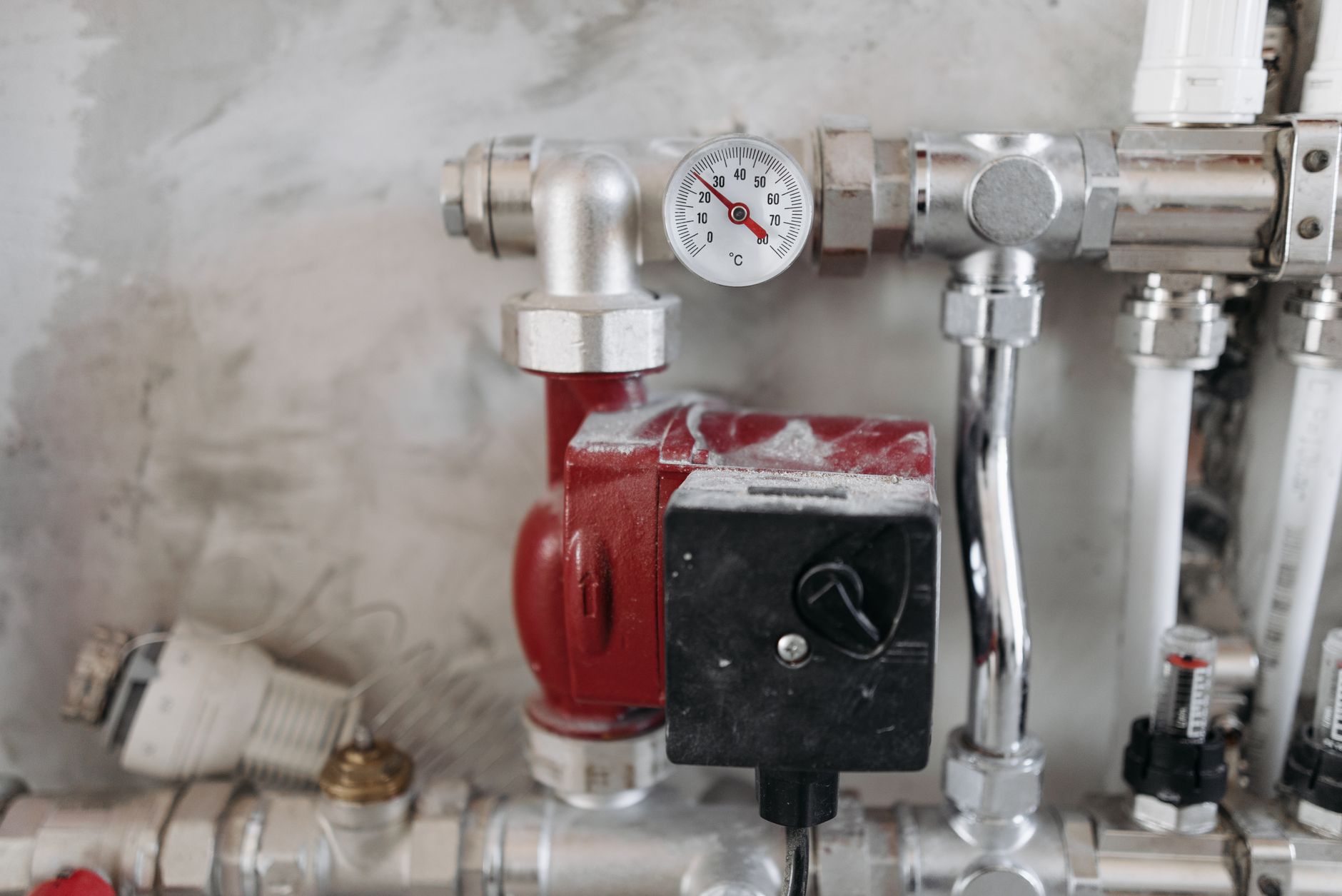
Sump Pump Installation
Pits, pumps and discharge lines for basements and crawl spaces that take on water.
Learn more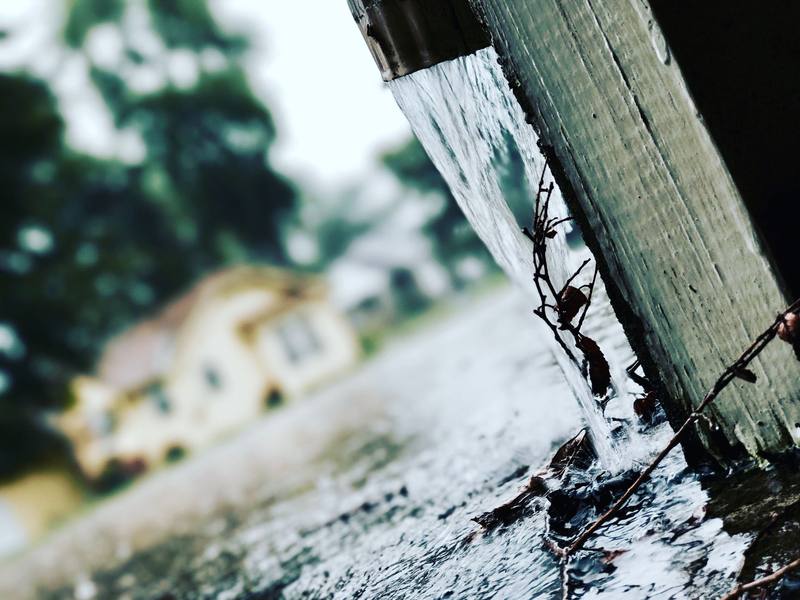
Downspout Drainage
Downspouts piped underground to daylight or a dry well so roof water stops pooling at the foundation.
Learn more
Grading and Regrading
Soil reshaped so water runs away from the house and off the lawn instead of sitting.
Learn more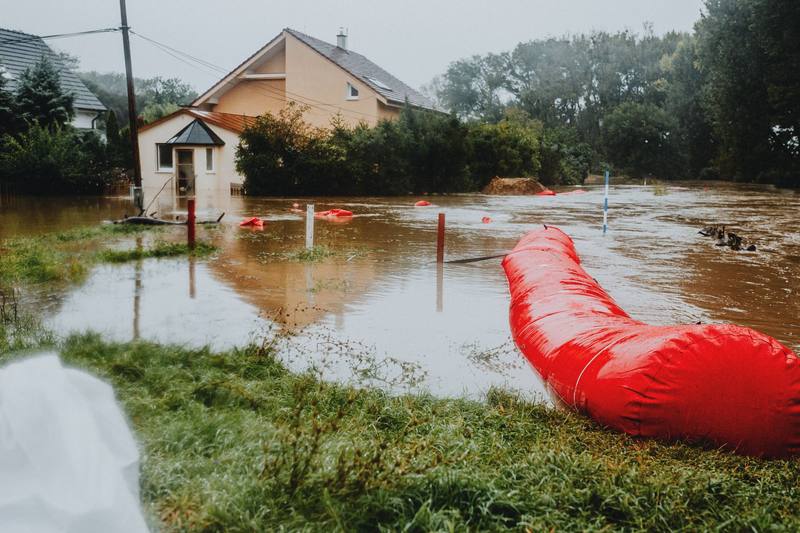
Emergency Flooded Basement Drainage
We pump out standing water, find out how it got in, and fix what let it in.
Learn more
Get Started
Tell us where the water is collecting
Call (717) 010-0007 or send a request. Tell us what you are seeing and when it happens, and we will set up a time to look.