Why does my basement get wet when it rains?
Most of the time, rain gets into a basement because water collects in the soil right next to the foundation, usually from gutters, downspouts or ground that slopes toward the house, and then it finds a crack, a joint or a porous spot in the wall or floor.
A basement that stays dry most of the year and gets wet after a storm is telling you something useful. The water comes from outside, and in most Lancaster homes it takes a fairly short path to get in. Here is how to work out where it starts and what usually fixes it.
The plain answer
When it rains, water lands on your roof and your yard and has to go somewhere. If too much of it ends up in the soil against your foundation, that soil gets saturated. Wet soil pushes against the walls, and water moves toward the easiest way in: a crack in the wall, the joint where the wall meets the floor, gaps around pipes, or the mortar joints in an older stone or block wall.
The most common sources are simple ones. A clogged gutter spills over the front edge. A downspout empties right at the corner of the house. Soil or mulch beds have settled and now slope toward the wall instead of away from it. Any one of these can pour a surprising amount of water into a small patch of ground during a single storm.
Less often, the water is coming up from below. When the water table rises after days of steady rain, groundwater can push up through the floor or the floor joint. That kind of water usually shows up a day or so after the rain rather than during it.
What changes the answer on a real property
Two houses on the same street can leak for different reasons. The details of the lot and the house decide which fix makes sense.
Soil is a big one. Clay holds water and drains slowly, so the ground around the foundation stays wet long after the storm passes. Much of Lancaster County has dense clay subsoil, and on those lots even a moderate rain can keep a basement wall damp for days. Sandier ground drains faster, so leaks there tend to come and go with the rain itself.
The age and type of foundation matter too. Many homes in Lancaster and the older boroughs around it have stone or block foundations. Stone walls were often laid with lime mortar that wears away over time, and block walls are hollow, so water can collect inside the cores and seep out low on the wall. Poured concrete walls in newer homes are tighter, but they still crack, and the joint at the floor is a common entry point.
The shape of the lot plays a part as well. A house at the bottom of a slope collects water from the yards above it. A flat lot gives water nowhere to go. A finished basement can hide the problem until carpet or drywall gets wet, which is often the first sign people notice.
What you can check yourself
The most useful thing you can do is go outside during a real rain, with an umbrella, and watch. You will learn more in twenty minutes than from any guess.
Look at the gutters first. If water is spilling over the edge, they are clogged or pitched wrong. Follow each downspout to where it ends. If it empties within a few feet of the foundation, that water is going straight into the soil next to your basement wall. Then look at the ground along the house. It should fall away from the walls. If it is flat or slopes toward the house, water will collect there.
Inside, note where and when the water appears. Water during the storm near one corner often points to a downspout or gutter above it. A damp line along the bottom of the wall points to the floor joint. Water a day after the rain, or across the middle of the floor, points more toward groundwater. White, chalky residue on the walls means water has been moving through the masonry for a while.
If you have a sump pump, pour a bucket of water into the pit and make sure the pump turns on and the water leaves the house through the discharge line. A pump that does not run, or a discharge line that dumps water back next to the foundation, can turn a small problem into a wet floor.
When it needs a professional
Some fixes are within reach of most homeowners. Cleaning gutters and adding downspout extensions that carry water several feet from the house are good first steps, and they solve more leaks than people expect.
It is time to call someone if the water keeps coming after those steps, if you see new or widening cracks, if a wall is bowing or leaning, or if water is coming up through the floor. Those signs point to pressure from saturated soil or groundwater, and the fix usually involves drainage around or under the foundation. Anyone digging near a house also needs buried utility lines marked before the first shovel goes in.
When we visit, we walk the outside of the house, look at the gutters, the downspouts and the slope of the yard, then go into the basement and look at where the water shows up. We explain what we think is causing it and what we would do about it. Sometimes the answer is small, and we would rather say so than sell a bigger job.
How this connects to the work we do
Most wet basements are solved from the outside in. On many Lancaster properties the first step is Downspout Drainage, which means carrying roof water well away from the house through extensions or buried lines so it never soaks the soil against the wall. Pairing that with regrading the soil so it slopes away from the foundation takes care of a large share of the leaks we see.
When the soil stays saturated or groundwater is the cause, Wet Basement Repair is the next step. That can mean an interior drain along the base of the wall that carries water to a sump pit, sealing cracks and gaps, or both, depending on the foundation and where the water is coming in. The aim is to deal with the water before it reaches your basement, not just to dry things out after each storm.
Related questions
Light rain soaks into the yard before it builds up against the foundation. Heavy rain overwhelms gutters, downspouts and the soil near the house, so water collects against the wall and finds a way in. Leaks that only appear in big storms often point to gutters, downspouts or grading.
It is common, but it is not something to ignore. Repeated dampness can damage stored belongings and finished walls, encourage mold and wear down mortar over time. It is usually cheaper to fix the cause early than to deal with the damage later.
Interior sealers can help with light dampness, but they do not stop water that is pushing through under pressure. If the soil outside stays saturated, the water will find the floor joint or another weak spot. Sealing works best alongside fixing the drainage outside.
Delayed water usually means the groundwater level has risen, or that water is slowly working through clay soil toward the foundation. It often shows up along the floor joint or through the floor. That pattern usually calls for an interior drain and sump pump rather than gutter work alone.
Pour a bucket of water into the pit and watch for the pump to start and empty it. Then check where the discharge line ends outside. It should send water well away from the house, not back against the foundation.
Services
How we can help in Lancaster
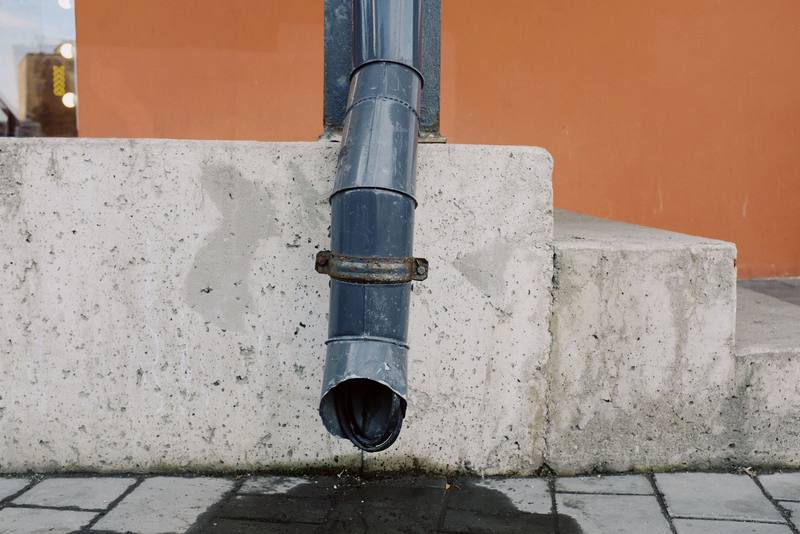
French Drain Installation
Perforated pipe in a gravel trench, wrapped in fabric, graded to carry groundwater away from the house.
Learn more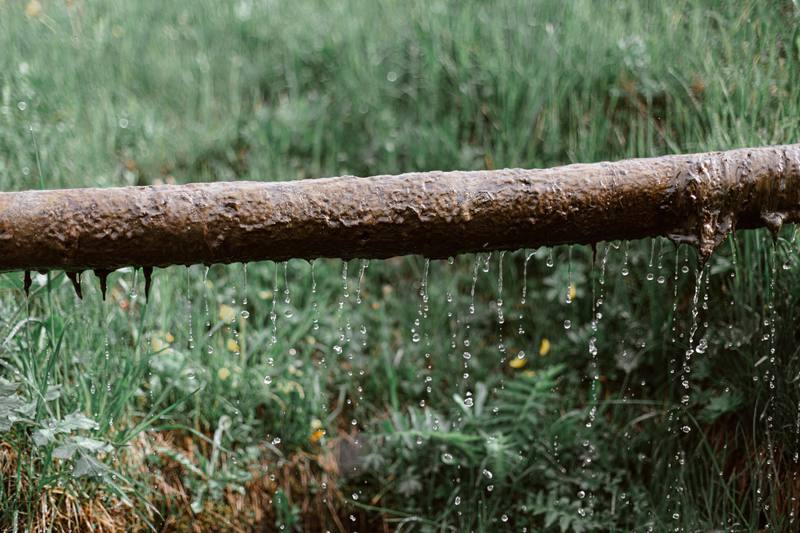
Yard Drainage
Standing water in lawns and beds solved with catch basins, surface drains and regrading.
Learn more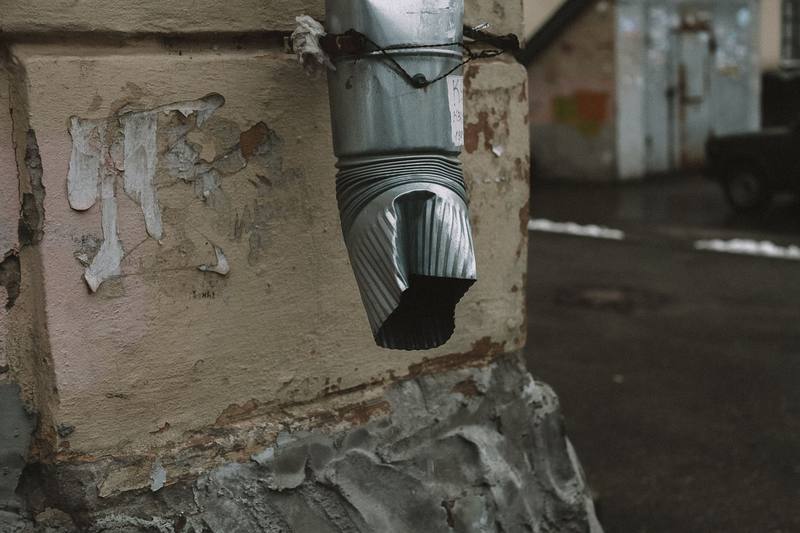
Drainage Repair
Clogged, crushed or silted drains located, flushed, repaired or replaced.
Learn more
Basement Waterproofing
We find out where water is getting into your basement, then fix it with the smallest job that will actually work.
Learn more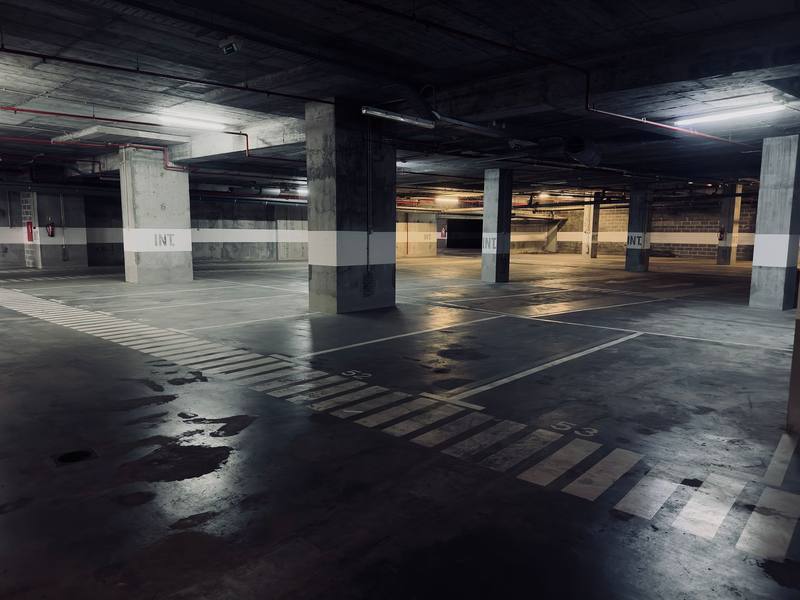
Wet Basement Repair
We find out how water is getting into your basement and fix the cause, not just the stain on the wall.
Learn more
Sump Pump Installation
Pits, pumps and discharge lines for basements and crawl spaces that take on water.
Learn more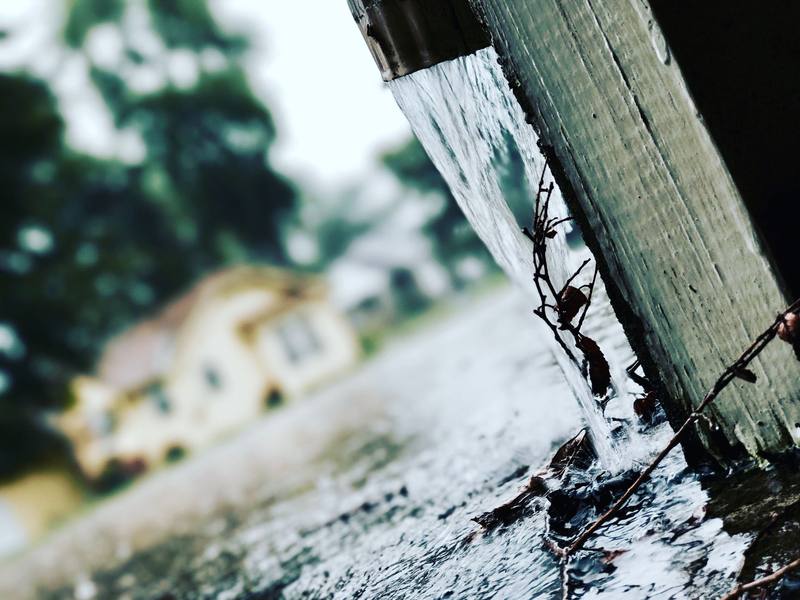
Downspout Drainage
Downspouts piped underground to daylight or a dry well so roof water stops pooling at the foundation.
Learn more
Grading and Regrading
Soil reshaped so water runs away from the house and off the lawn instead of sitting.
Learn more
Emergency Flooded Basement Drainage
We pump out standing water, find out how it got in, and fix what let it in.
Learn more
Get Started
Tell us where the water is collecting
Call (717) 010-0007 or send a request. Tell us what you are seeing and when it happens, and we will set up a time to look.