Why does water pool in my yard after rain?
Water pools when it reaches your yard faster than the soil can absorb it or the slope can carry it away, usually because of a low spot, compacted or clay-heavy soil, or roof water landing in the wrong place.
A puddle that is gone by the next morning is normal. A puddle that sits for two or three days, kills the grass and leaves a muddy patch is telling you something about your soil, your slope or your gutters. Here is how we think it through on a Lancaster property, and what you can check before you call anyone.
The plain answer
Rain has three places to go once it hits your yard. It can soak into the ground, run off across the surface, or sit where it lands. Pooling happens when the first two routes are blocked or overloaded.
The usual causes are simple. The ground has a dip in it, so water collects there and has no downhill path out. The soil is dense, so water soaks in very slowly. Or extra water is being delivered to that spot, most often from a downspout, a neighbour's yard, a driveway or a patio that sheds water toward the lawn.
Most wet yards have more than one of these going on at once. A slight low spot might be fine on its own, but add a downspout emptying three feet away and clay underneath, and you get a pond after every storm.
What changes the answer on a real property
Soil is the first thing. Much of Lancaster County has heavy silt and clay soils. They hold water well, which is why the farmland is so good, but they drain slowly. When clay gets wet it swells and seals, so the top few inches fill up and the rest of the rain stays on the surface.
Construction is the second. In newer developments around the city, the yard is often a thin layer of topsoil spread over subsoil that was packed down by heavy equipment. Grass grows on it, but water cannot get through the compacted layer underneath. In older neighbourhoods, decades of settling, tree roots and added sheds or walkways can slowly change how a yard slopes.
The third is where the water comes from. A roof sheds a lot of water in a short time, and every gallon leaves through a few downspouts. If those empty onto flat lawn near the house, that corner will stay soggy.
In parts of the county the bedrock is limestone. That matters because water that collects in one spot over and over can, in some cases, wash out soil underground. If a wet spot is also sinking, take it seriously and have it looked at.
Finally, the time of year matters. In late winter and early spring the ground can still be frozen a few inches down while the surface thaws, so meltwater and rain have nowhere to go. A yard that drains fine in July may hold water in March.
What you can check yourself
Start by watching the yard during and just after a steady rain. Note where water collects, where it comes from and which way it moves. A few photos on your phone help a lot later.
Follow each downspout. See where it empties and whether the water runs away from the house or back toward it. Check that gutters are clear, because overflowing gutters dump water along the foundation in a line.
Look at the slope near the house. Soil should fall away from the foundation. If you can see that the ground has settled into a trough along a wall, water is collecting where you least want it.
Try a simple soak test in the wet area. Dig a hole about a foot deep, fill it with water, let it drain, then fill it again and watch it. If the second fill is still standing many hours later, the soil itself drains poorly, and surface fixes alone may not be enough.
Some small fixes are reasonable to try first. Extend downspouts several feet from the house with splash blocks or extensions. Aerate a compacted lawn and top dress it. Fill a shallow dip with topsoil, a little at a time, so you do not smother the grass.
When it needs a professional
Call someone when the problem keeps coming back after the simple fixes, or when the water is affecting more than the lawn.
Signs that it has moved past a weekend project: water pooling against the foundation, dampness or seepage in the basement after storms, a wet area that never fully dries between rains, soil washing out or a spot that is sinking, or water crossing into or from a neighbour's yard. Any of these can lead to bigger repairs if left alone.
It is also worth a visit when you are not sure where the water is coming from. Groundwater, roof water and surface runoff can look the same in a soggy lawn, and the fix for each is different. Digging a trench in the wrong place costs time and money and can make things worse.
A visit from us involves walking the property with you, checking the slope with simple levels, following the downspouts, looking at the soil and asking when and where you see water. We then explain what we think is causing it and what the options are, starting with the least invasive.
How this connects to drainage work
Most pooling problems are solved by one of two approaches, or a mix of both.
If the main issue is the shape of the ground, Grading and Regrading is usually the answer. That means reshaping the soil so water has a gentle downhill path away from the house and out of the low spot. On many yards this is enough on its own, especially when paired with better downspout placement.
If the ground cannot be reshaped enough, or the soil simply will not let water through, French Drain Installation is the common fix. A French drain is a gravel filled trench with a perforated pipe that collects water below the surface and carries it to a place where it can safely drain. It works well in clay soils because it gives the water a path the soil cannot provide.
We will tell you plainly if a smaller fix makes more sense. Sometimes extending two downspouts and filling a dip solves the whole thing.
Related questions
Small puddles that are gone within a day are normal, especially after a heavy storm. If water stands for two days or more, or the same spot stays soggy all spring, the soil or slope is not handling the water and it is worth looking into.
Yes, if it collects near the house. Water that sits against the foundation soaks down along the walls and can find its way through cracks and joints. Keeping the ground sloped away from the house and moving downspout water out is the first line of defence.
It can help when the problem is a compacted top layer of soil. It will not fix a true low spot, heavy clay deep down or a downspout emptying into the area. Try it as an early step, and if water still sits after a season, the cause is likely something else.
It depends on the cause. Regrading works when the ground can be reshaped to give water a downhill path. A French drain is the better choice when the yard is flat, the soil drains very slowly, or there is no room to change the slope.
Yes. We work in Lititz, Manheim, Ephrata, Elizabethtown, Mount Joy, Millersville, Columbia and Willow Street, PA, as well as Lancaster.
Services
How we can help in Lancaster
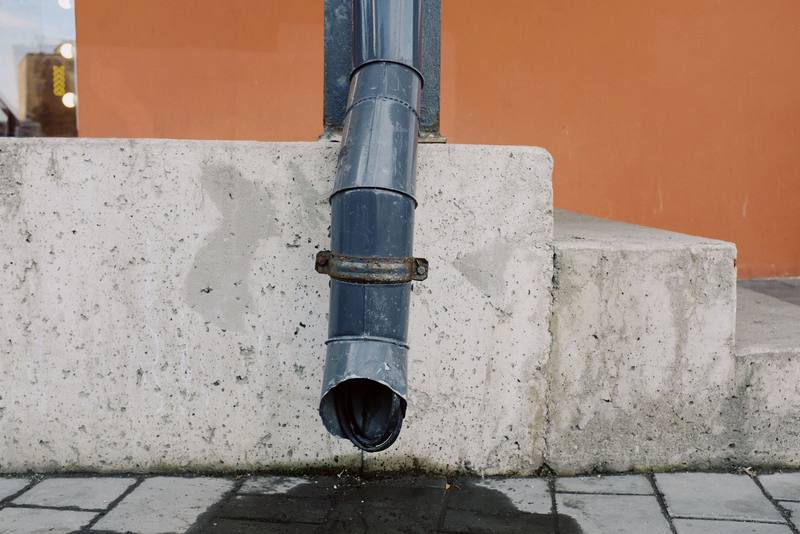
French Drain Installation
Perforated pipe in a gravel trench, wrapped in fabric, graded to carry groundwater away from the house.
Learn more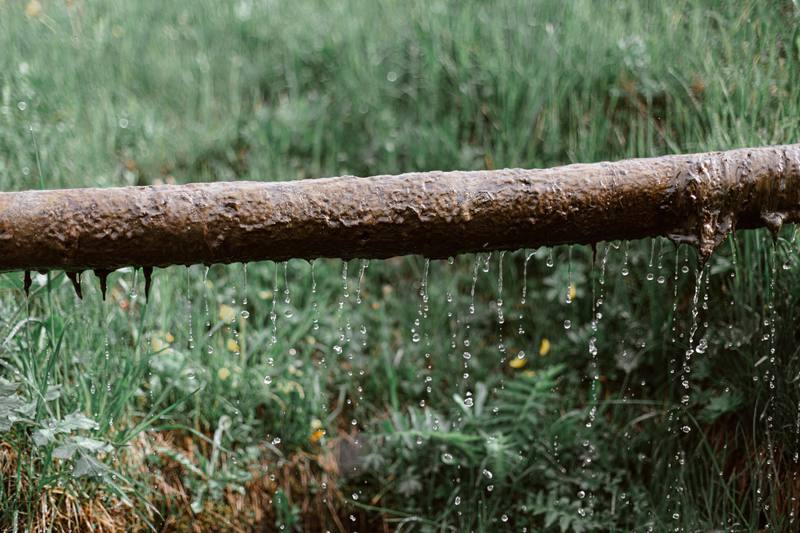
Yard Drainage
Standing water in lawns and beds solved with catch basins, surface drains and regrading.
Learn more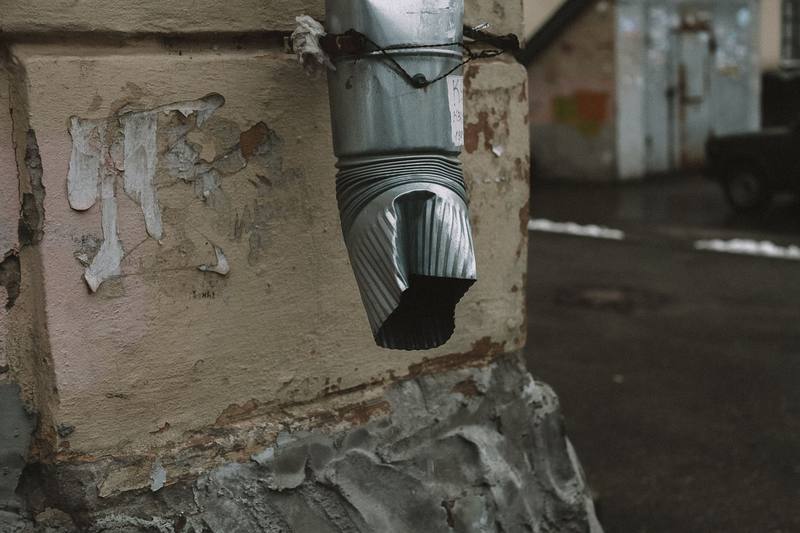
Drainage Repair
Clogged, crushed or silted drains located, flushed, repaired or replaced.
Learn more
Basement Waterproofing
We find out where water is getting into your basement, then fix it with the smallest job that will actually work.
Learn more
Wet Basement Repair
We find out how water is getting into your basement and fix the cause, not just the stain on the wall.
Learn more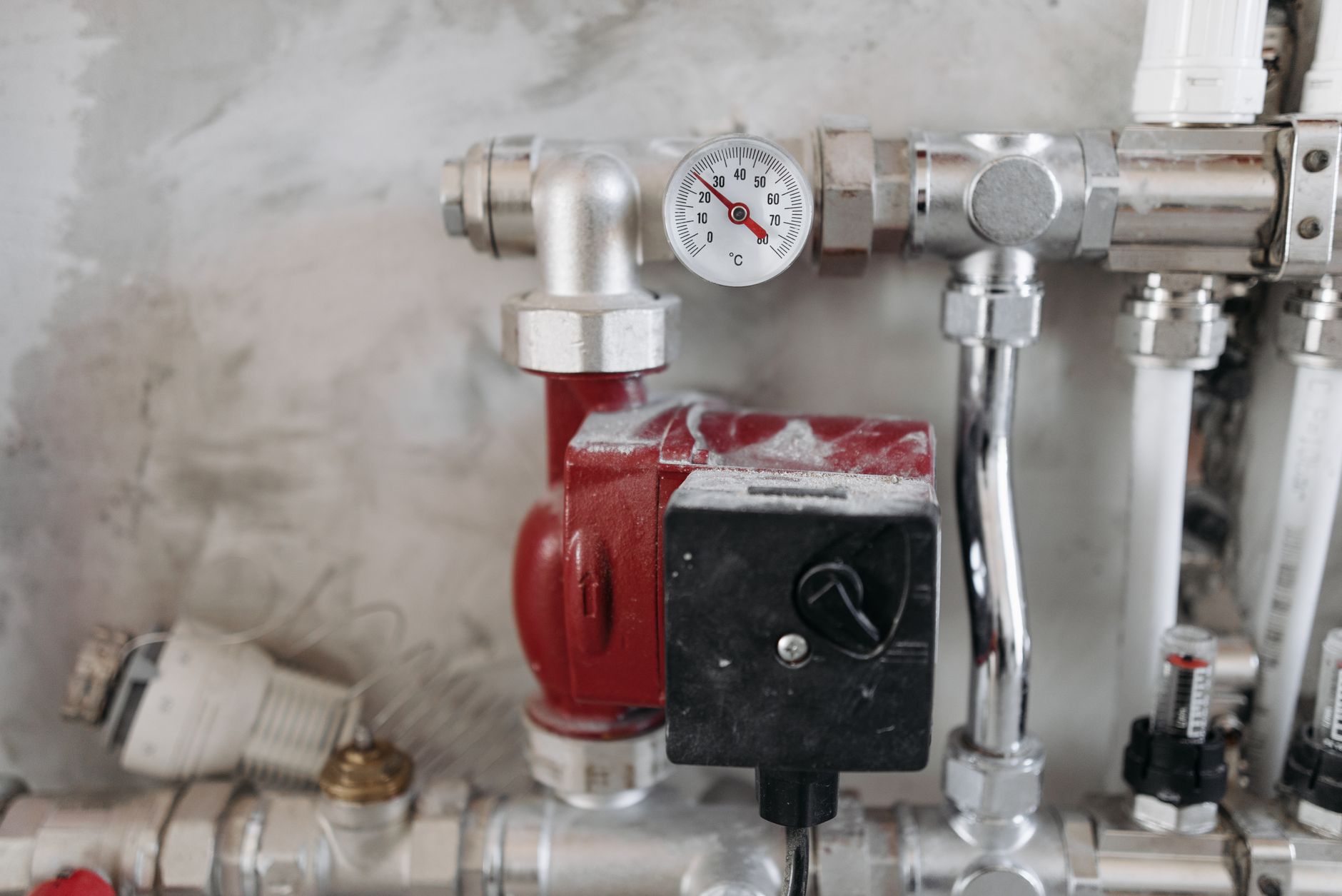
Sump Pump Installation
Pits, pumps and discharge lines for basements and crawl spaces that take on water.
Learn more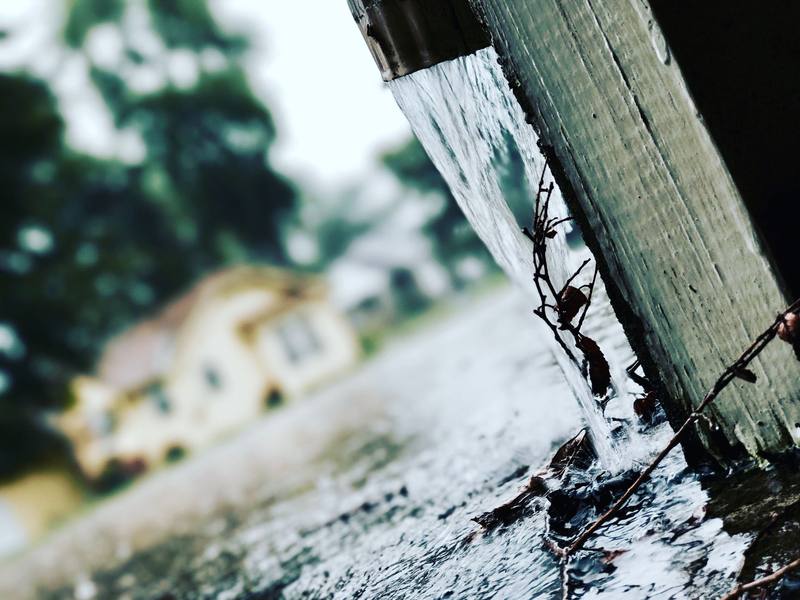
Downspout Drainage
Downspouts piped underground to daylight or a dry well so roof water stops pooling at the foundation.
Learn more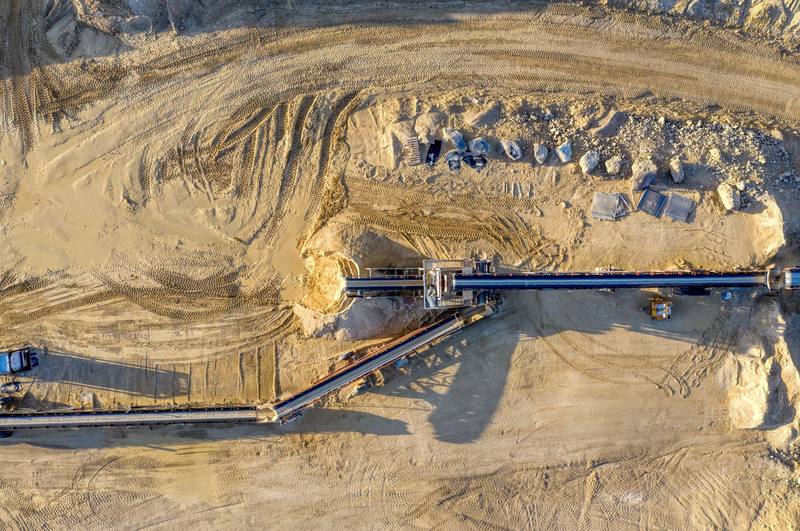
Grading and Regrading
Soil reshaped so water runs away from the house and off the lawn instead of sitting.
Learn more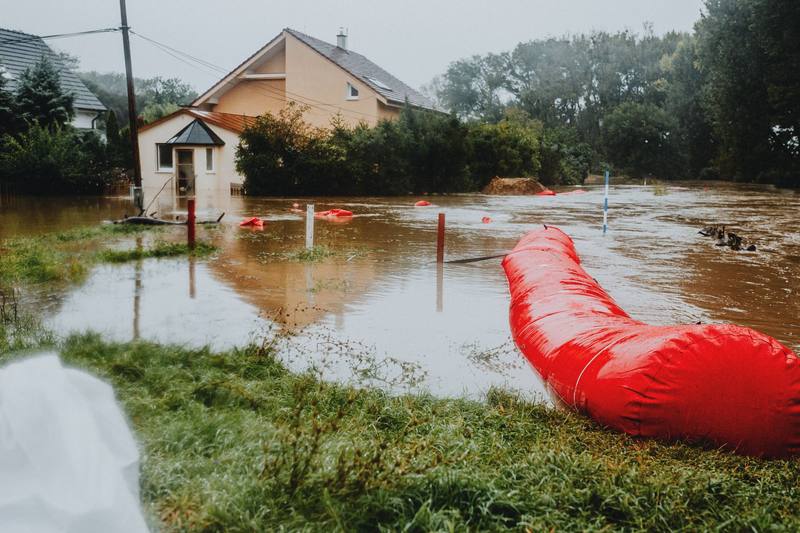
Emergency Flooded Basement Drainage
We pump out standing water, find out how it got in, and fix what let it in.
Learn more
Get Started
Tell us where the water is collecting
Call (717) 010-0007 or send a request. Tell us what you are seeing and when it happens, and we will set up a time to look.