Drainage in Gap, PA
We serve Gap homeowners from our base in Lancaster, with French drains, basement waterproofing and yard drainage.
Gap sits in a low pass between two ridges, and that shape decides where rain goes. Lancaster French Drain is based in Lancaster and travels to Gap for site visits. This page covers what is particular about the area, the work we do there and how a visit goes.
Drainage in a pass between Mine Ridge and Gap Hill
Gap takes its name from its position: a low pass at about 580 feet above sea level, with Mine Ridge to the west and Gap Hill to the east, both rising to about 750 feet. The community sits in the middle of that pass and runs downslope to the north. Any shape like that collects water. Rain that falls on the ridge sides runs down toward the lots in the centre, and it keeps running until it finds a place to soak in.
The pass also splits two watersheds. Streams north of Gap flow to Pequea Creek, and water to the south flows to the East Branch of Octoraro Creek. On a single street, then, the land can tilt in a different direction from one end to the other. We do not assume which way a given yard drains. We check the slope on site, because a grade that carries water away from one house can push it straight toward the next.
Gap is mostly dry ground, with almost no standing water inside the community itself. That means problems here are usually about runoff and groundwater moving through soil, not a pond or creek spilling over. Water arrives after heavy rain or snowmelt, sits against a foundation or pools in a low corner of the yard, and then slowly drains away. That slow drain is the sign the soil is not taking water fast enough.
Older houses and basements around Gap
Gap has a long history. The first house in what became the community went up in 1747, and the main road through town was a turnpike long before it became U.S. Route 30. We have not seen every house here, so we do not guess at yours. In general, older homes in a settled area like this tend to have stone or block foundations, basements built for storage and downspouts that were never extended away from the wall.
Those details matter. Mortar joints in an old foundation wear over the decades, and a wall that has stood for a century has had a century of wet and dry cycles. Newer homes on the edges of the community have their own pattern: poured walls, but fill soil around the foundation that settles and tilts water back toward the house. Both types can end up with a damp basement, for different reasons, and the fix depends on which one you have.
The drainage work we do in Gap
For groundwater, we install French drain installation systems: a trench with perforated pipe in washed stone that collects water and carries it to a safe discharge point. In a hillside setting like Gap, a drain placed uphill of a house can intercept water before it reaches the foundation. The same family of work covers curtain drains, interior drains, foundation drains and dry wells.
If water is getting into the house, basement waterproofing is the other main option. That can mean sealing a foundation crack, installing or replacing a sump pump, or waterproofing a crawl space. We do not offer emergency or after-hours service, so a flooded basement on a Sunday has to wait until we are open.
For water that stays outside, yard drainage covers regrading, downspout drainage, catch basins, channel drains, swales and erosion control. On sloped lots near the ridges, a shallow swale or a buried downspout line is often all a yard needs. You can see everything we offer on the [Lancaster French Drain home page](/).
What a drainage visit in Gap looks like
Gap is about 16 miles east of Lancaster, and we come to you from there. We have no office in Gap. We walk the property first: the roofline and downspouts, the grade around the foundation, the low spots in the yard and, if you have water indoors, the basement walls and floor edges.
We look for where the water comes from before we talk about a fix. Roof runoff, surface grade and groundwater each need a different answer, and the cheapest solution is sometimes a downspout extension, not a trench. We explain what we found and what we would do, then you decide. Nothing starts until you agree.
How to book a drainage visit in Gap
Call us on (717) 696-1707 or email info@frenchdrainlancaster.com, or use the Request a Drainage Visit button on this site. Our hours are Monday to Friday 7:00 AM to 7:00 PM and Saturday 8:00 AM to 5:00 PM. We are closed on Sunday.
When you get in touch, tell us your address in Gap and what you are seeing: water in the basement, a wet patch in the yard, or a downspout that dumps beside the house. A photo of the problem after rain helps, and so does knowing roughly when it started.
About Gap: Gap, PA on Wikipedia · Gap on Google Maps
Services
Services in Gap, PA
French Drain Installation
Perforated pipe in a gravel trench, wrapped in fabric, graded to carry groundwater away from the house.
Learn more
Drainage Repair
Clogged, crushed or silted drains located, flushed, repaired or replaced.
Learn more
Interior French Drains
A perimeter drain cut into your basement floor, so water is handled from the inside and your yard stays as it is.
Learn more
Curtain Drain Installation
A buried drain across the slope that stops uphill groundwater before it soaks your yard or foundation.
Learn more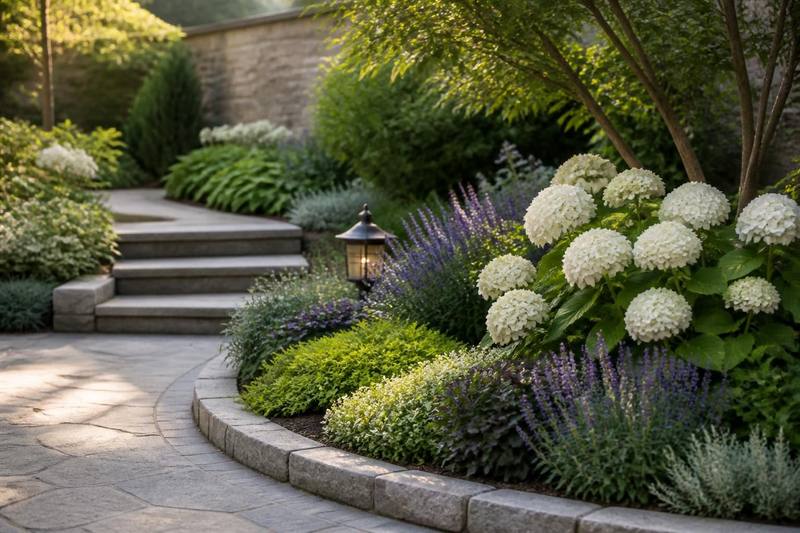
Foundation Drain Installation
We install and replace footing and perimeter drain tile at the base of your foundation wall, so water leaves the soil before it reaches your basement.
Learn more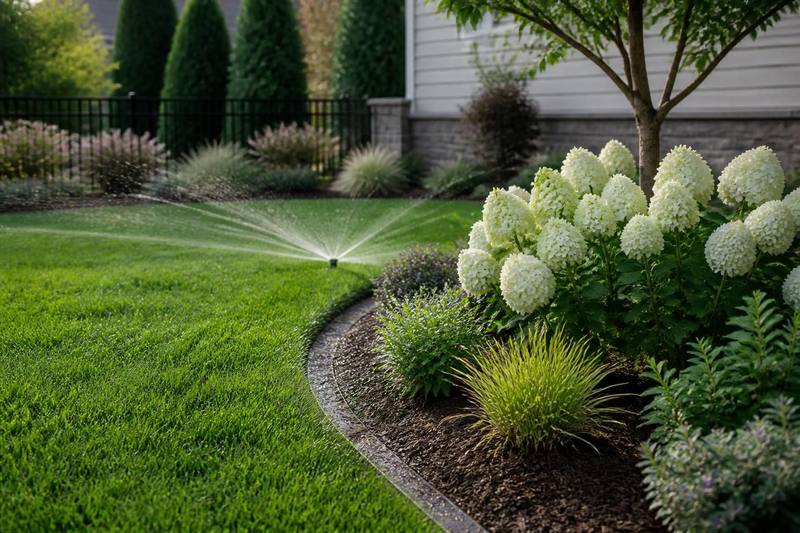
Dry Well Installation
Buried chambers that store and soak away roof and surface water where there is nowhere to drain to.
Learn more
Basement Waterproofing
We find where water gets into your basement and give it a controlled way out, so the floor and walls stay dry.
Learn more
Wet Basement Repair
We find where the water is getting in, work out why, and fix that cause instead of covering the damp.
Learn more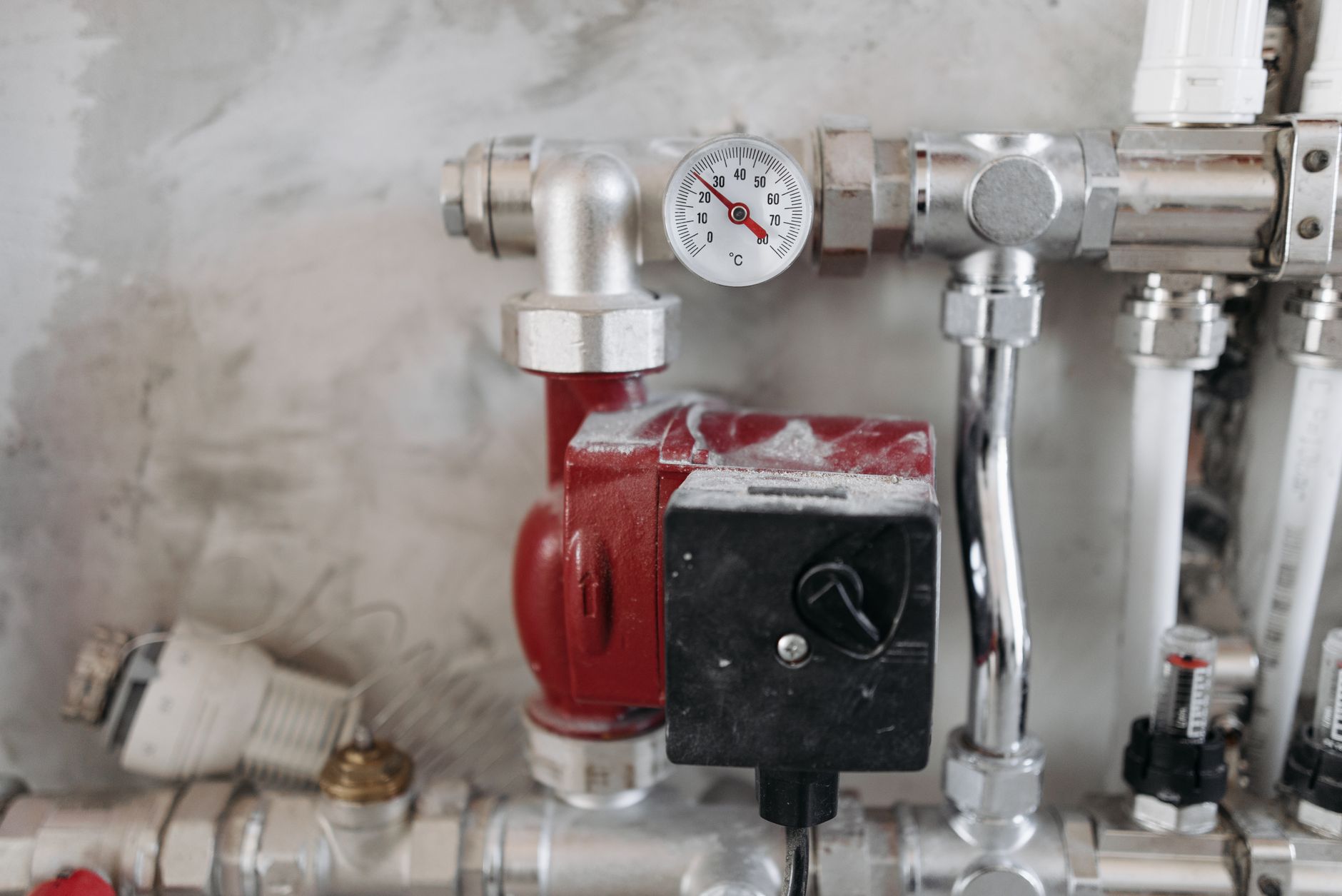
Sump Pump Installation
Pits, pumps and discharge lines for basements and crawl spaces that take on water.
Learn more
Sump Pump Repair and Replacement
We repair or swap out sump pumps that have stopped, short-cycle or run too loudly.
Learn more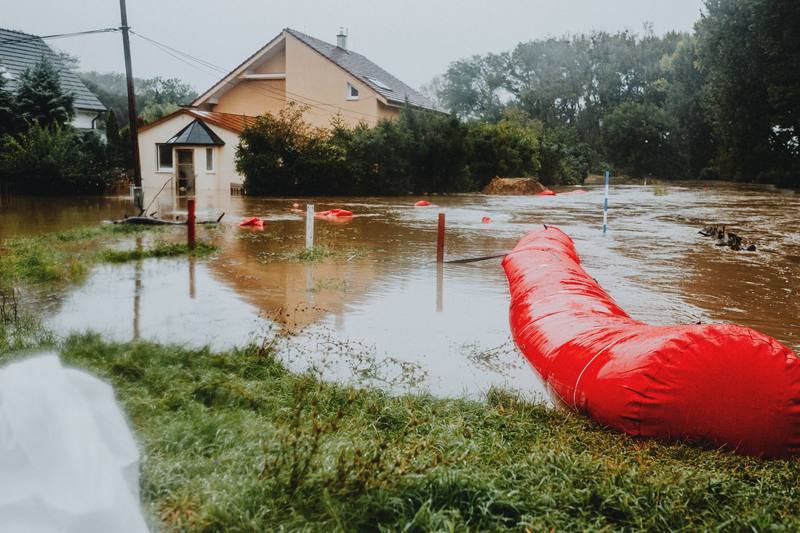
Emergency Flooded Basement Drainage
When water is standing in your basement, we help get it out and then fix the drainage that let it in.
Learn more
Foundation Crack Repair
We seal leaking cracks in poured and block foundation walls from the inside, and tell you straight when a crack needs more than sealing.
Learn more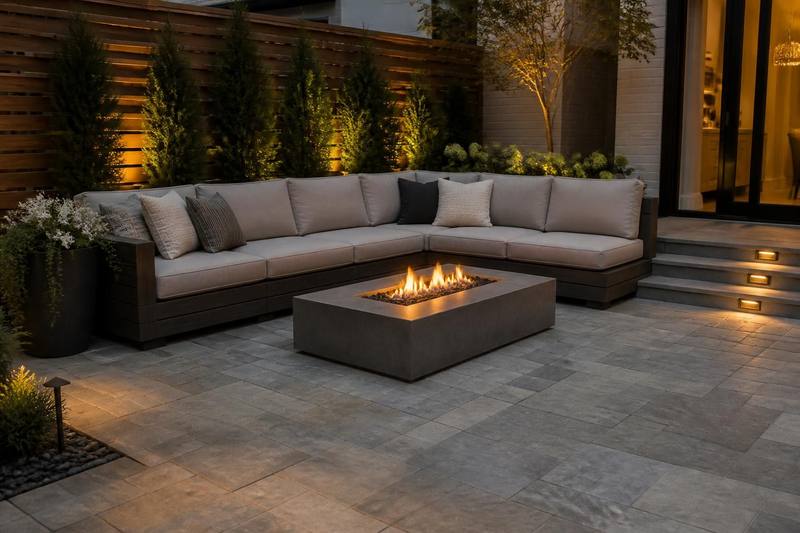
Crawl Space Waterproofing
We keep water and standing moisture out of your crawl space with drainage, a sump and a vapor barrier or encapsulation.
Learn more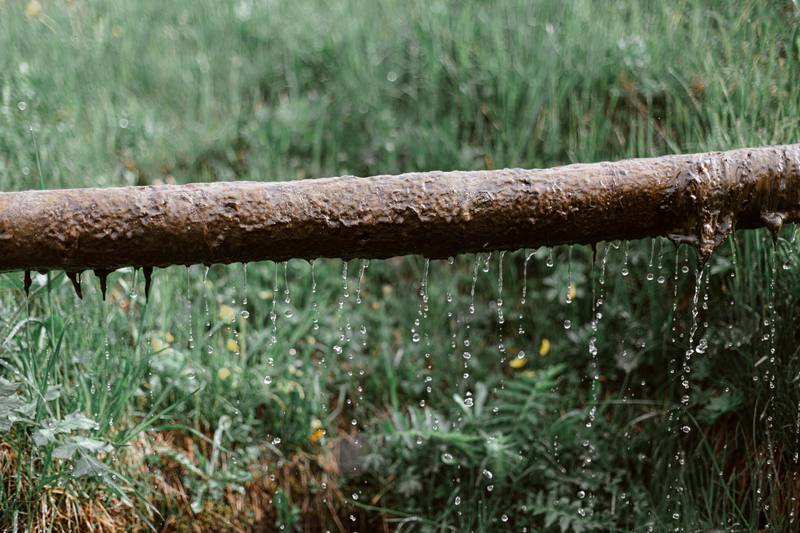
Yard Drainage
Standing water in lawns and beds solved with catch basins, surface drains and regrading.
Learn more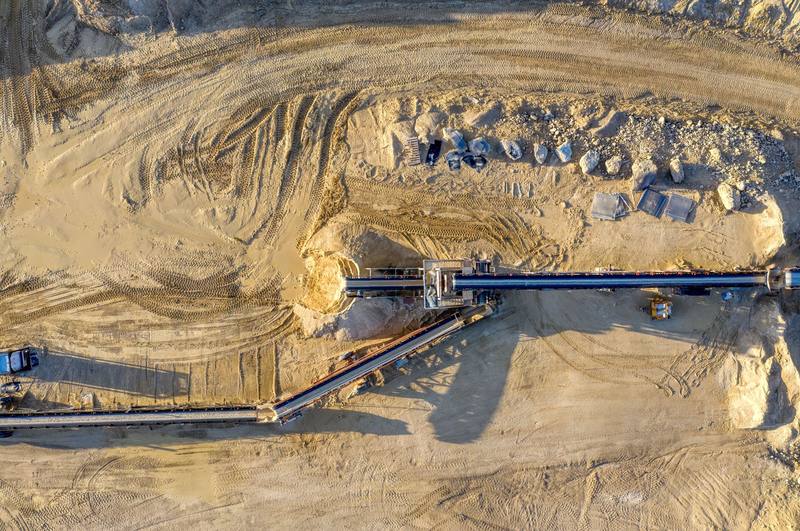
Grading and Regrading
Soil reshaped so water runs away from the house and off the lawn instead of sitting.
Learn more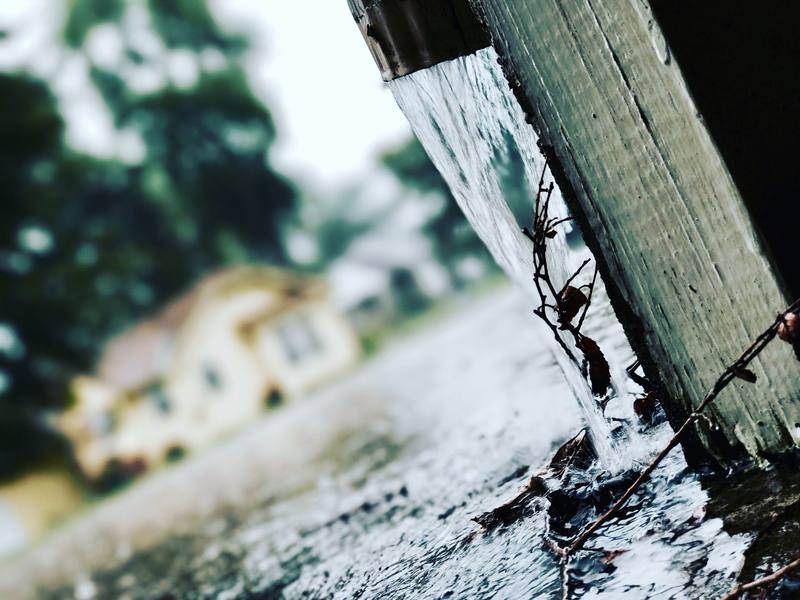
Downspout Drainage
Downspouts piped underground to daylight or a dry well so roof water stops pooling at the foundation.
Learn more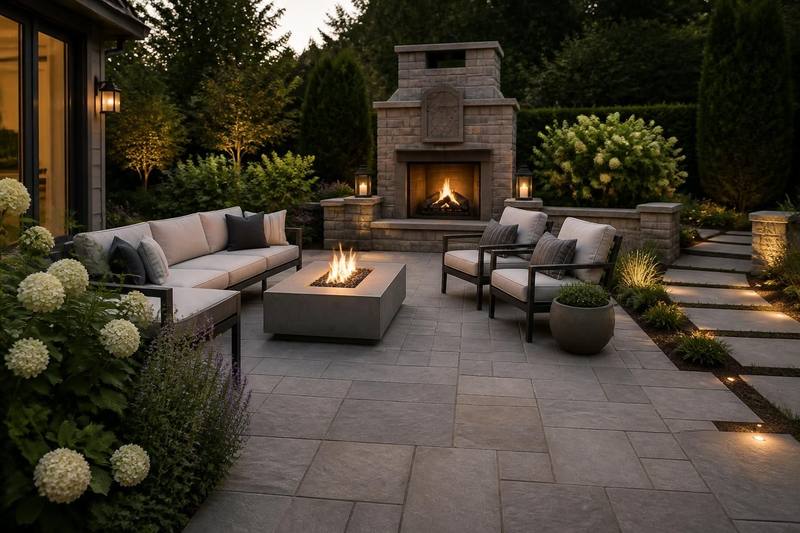
Catch Basin Installation
We set grated catch basins at the low spots in your yard and pipe the water away before it floods anything.
Learn more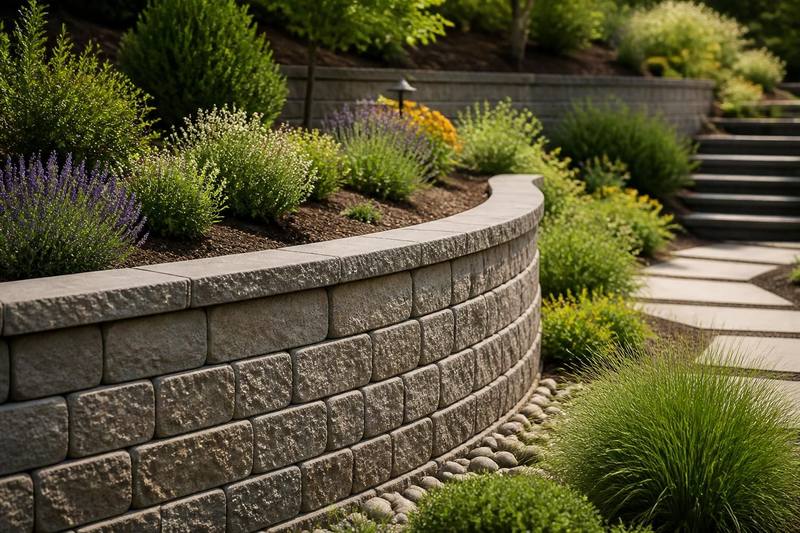
Channel Drain Installation
We cut a linear trench drain across the low edge of a driveway, patio, garage entrance or pool deck so sheet water leaves the surface and stays off your door.
Learn more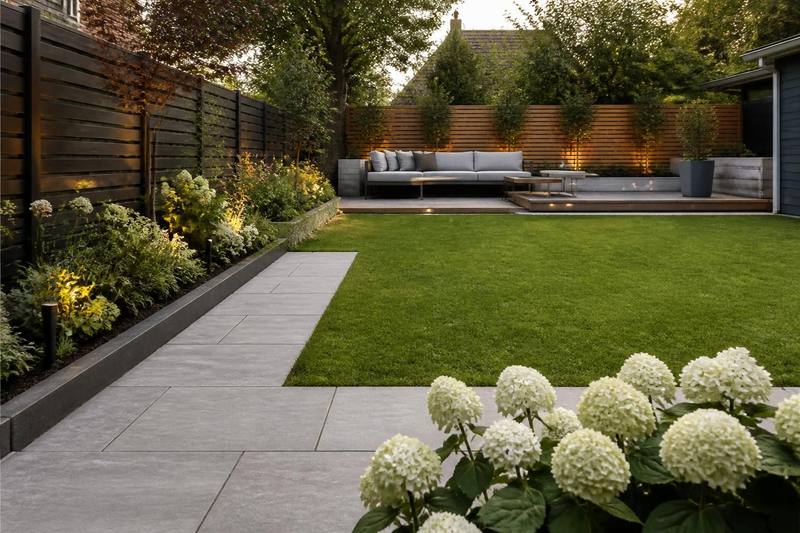
Drainage Swale Installation
We shape a broad, shallow grassed channel that carries heavy surface runoff across your property to a safe outlet.
Learn more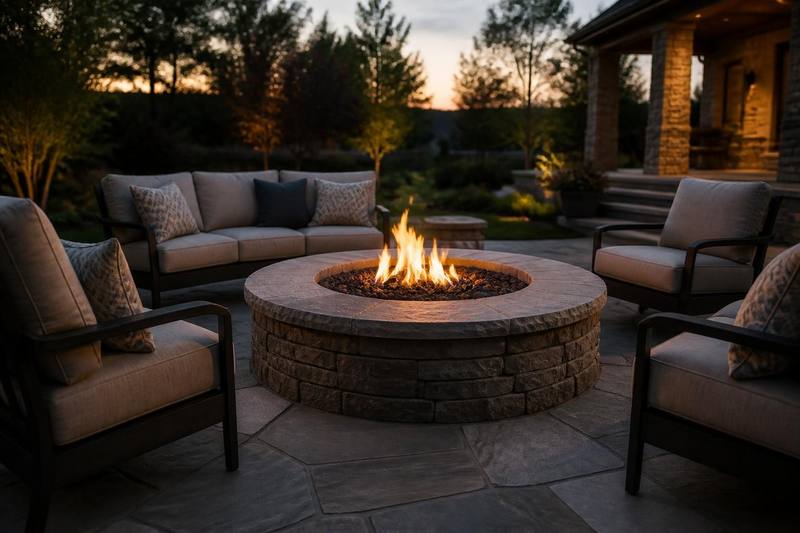
Yard Erosion Control
We stop runoff from washing soil off your slopes, out of your beds and away from your foundation.
Learn more
Culvert Installation
We install and replace driveway culverts so a ditch or small stream keeps flowing under your drive instead of backing up around it.
Learn more
Commercial Drainage
We design and install drainage for parking lots, common areas and building sites around Lancaster.
Learn more
Book a visit
Request a drainage visit in Lancaster
Call (717) 696-1707 or send us a request. We are open Monday to Friday 7:00 AM to 7:00 PM and Saturday 8:00 AM to 5:00 PM. We will come out, look at where the water goes and explain what we would do.